Reason 01
Your Skin Barrier Never Sealed Back Up
Healthy skin is sealed. Eczema-prone skin has gaps in that seal, so water escapes out and irritants get in - on a calm day, long before you see a flare.
It isn't that you haven't tried hard enough. It's that nothing you've tried has dealt with the reason it returns.

You moisturise every single day, and by evening your skin is tight, itchy and dry again.
The cream from the doctor settles it. Then weeks later it's back, usually in the same spot.
There's a drawer full of tubes you've bought over the years. Most of them stopped working.
You plan your clothes, your holidays and your photos around how your skin is behaving that week.
Or you're watching a child or a grandchild scratch in their sleep, and nothing you put on them lasts.
Thousands of Australians live in exactly this loop. The problem was never your effort. It's that eczema keeps returning for reasons an ordinary moisturiser was never built to deal with.
Most people think of eczema as a rash that appears. It's closer to a loop that never fully closes.

Five reasons. Not one of them is that your
skin is simply dry.
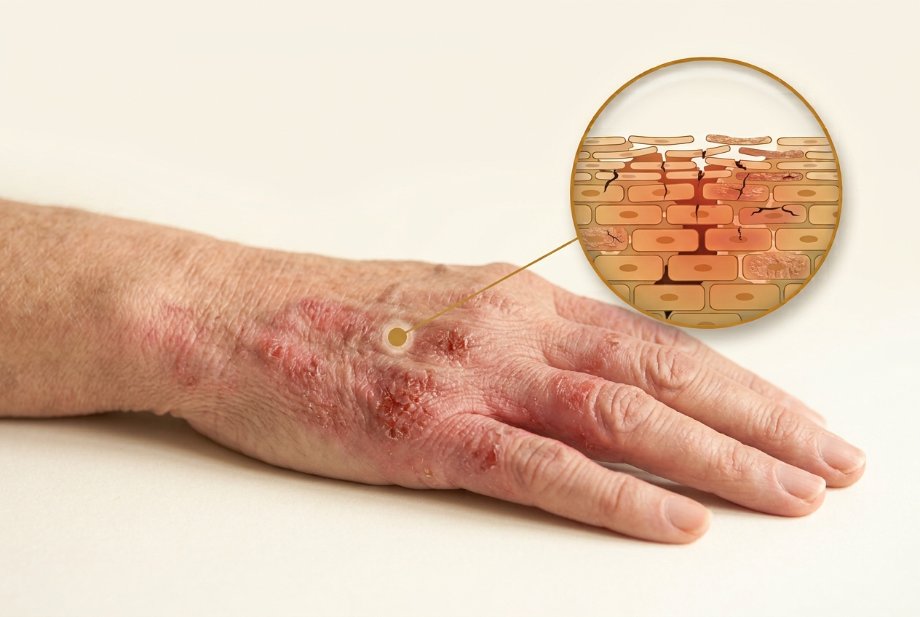
Healthy skin is sealed. Eczema-prone skin has gaps in that seal, so water escapes out and irritants get in - on a calm day, long before you see a flare.
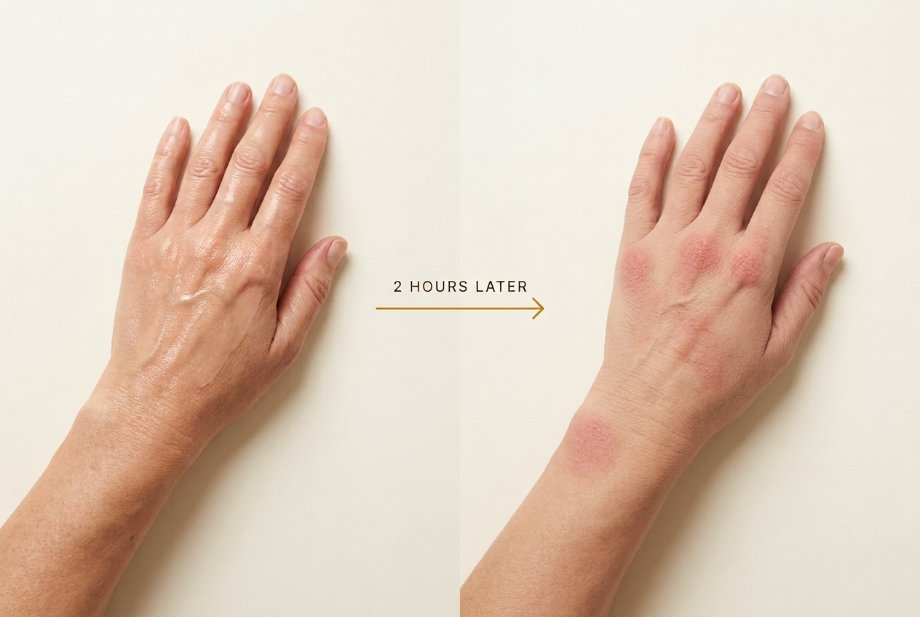
You did put moisture in. There was simply nothing holding it there. Most creams are built to add water. Very few are built to keep it.
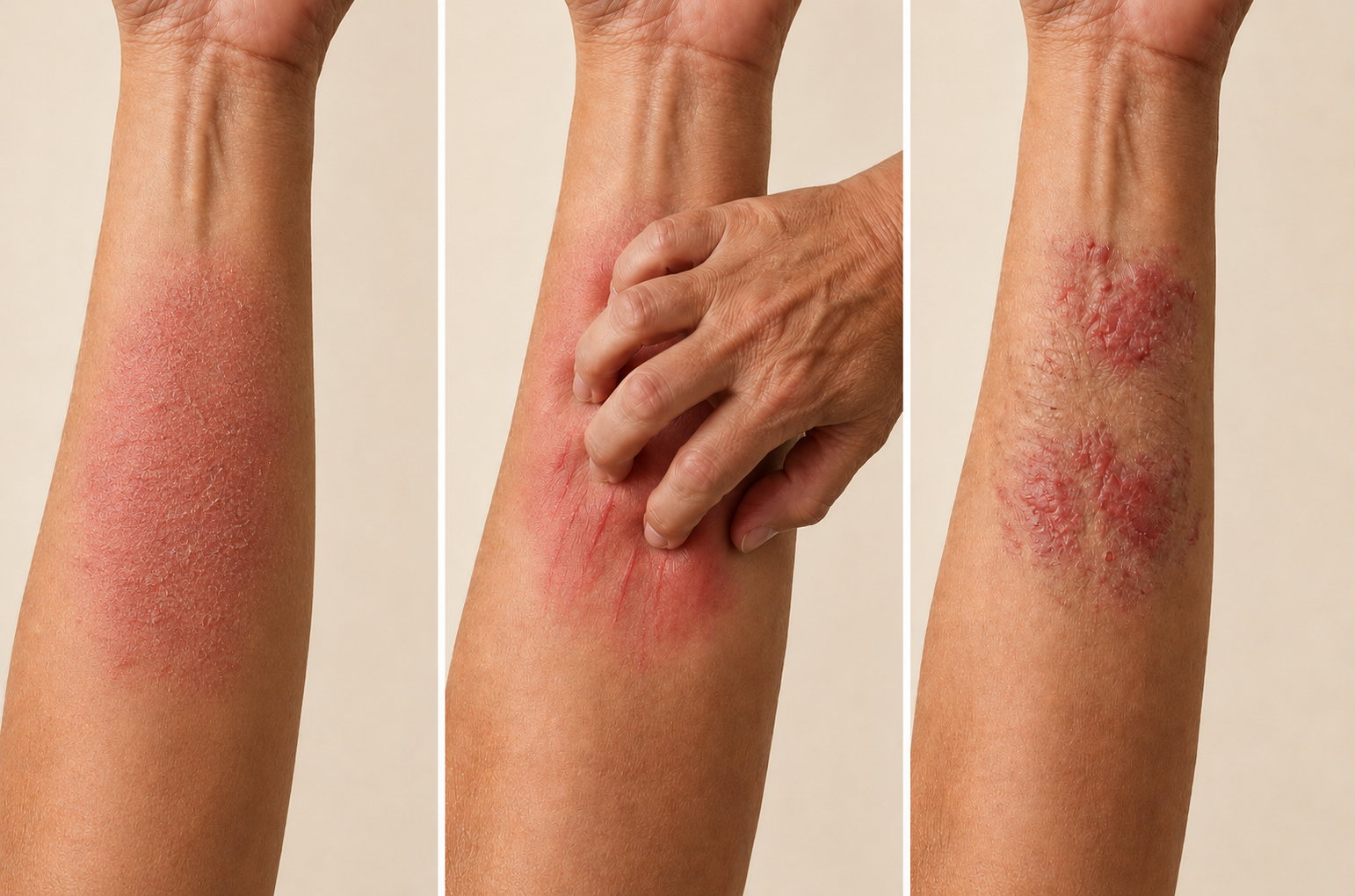
You scratch because it itches. It itches more because you scratched. Every round breaks the surface open a little further. Relief for seconds, damage for weeks.
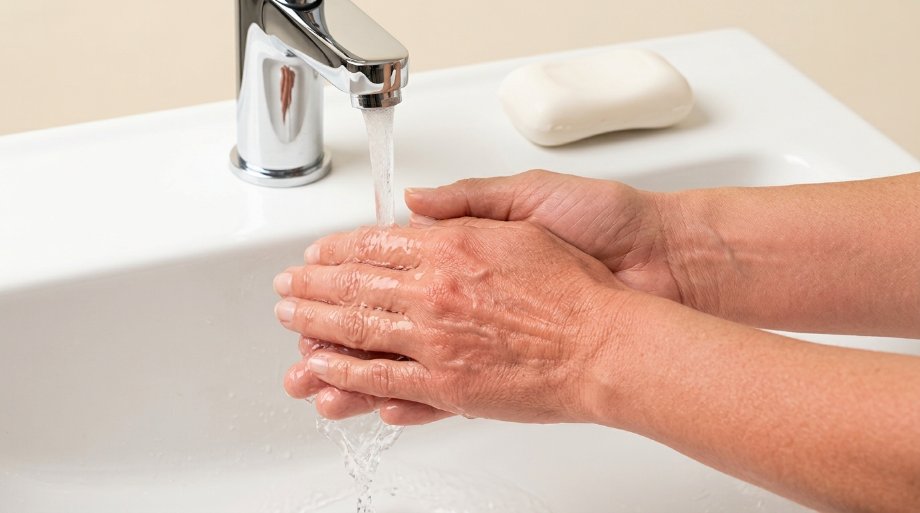
None of these caused your eczema. But with nothing shielding the skin, each one is enough to tip a calm patch back into a flare.
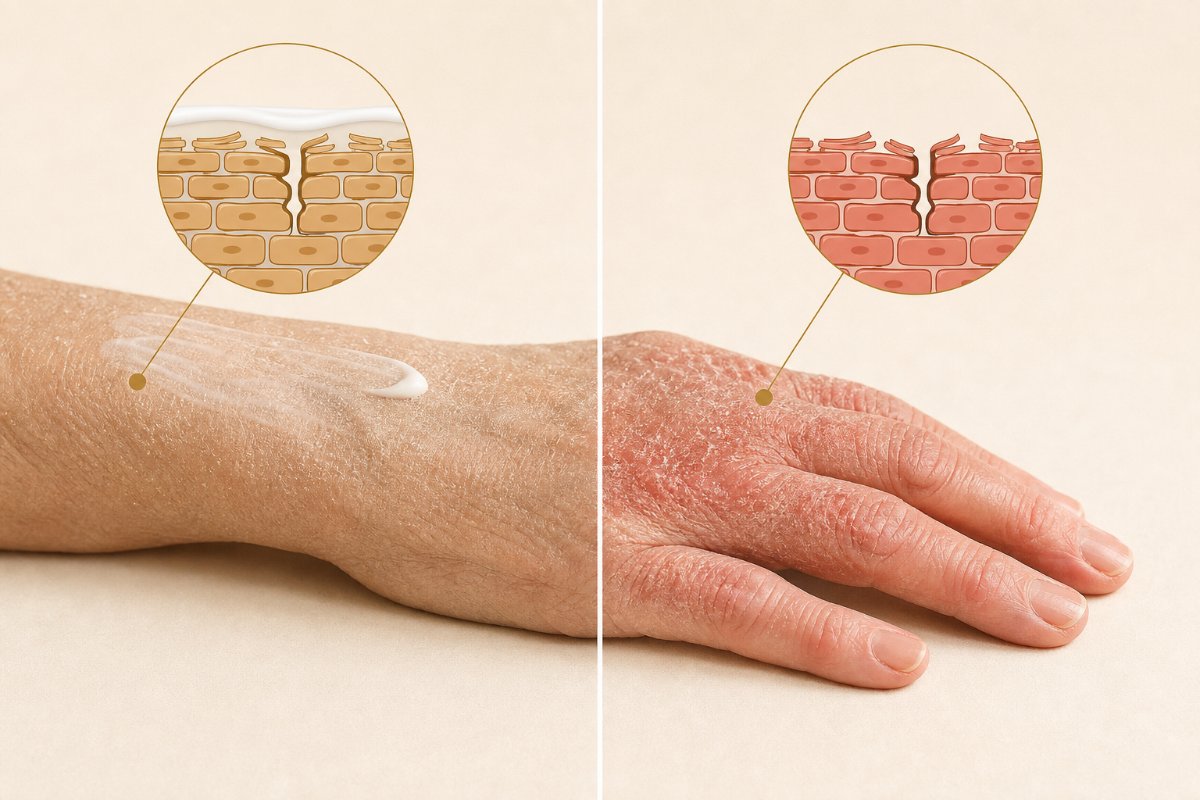
A steroid cream calms inflammation that is already happening. It was never designed to repair the surface that let the flare start, so the redness clears, and the same worn barrier is still there, waiting.
Each one does part of the job. None of them does the whole job.
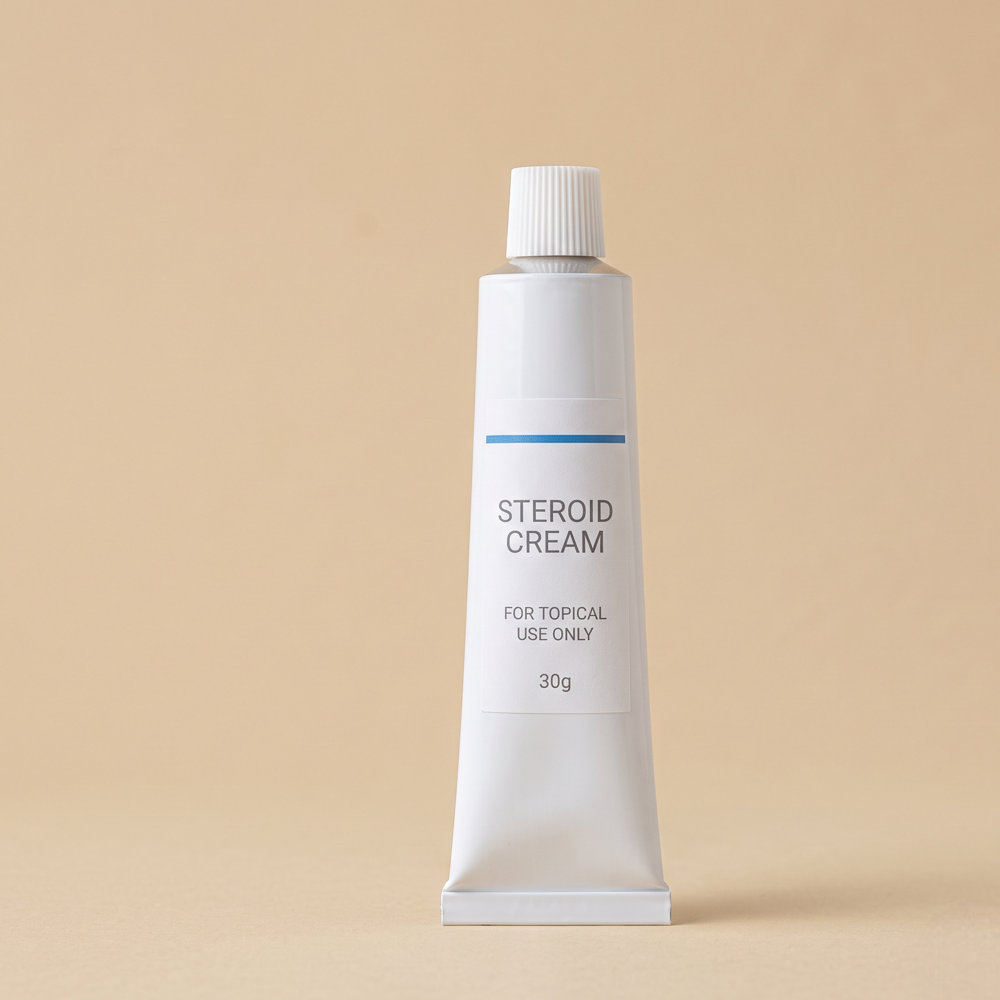
Good at bringing a flare down fast, but they're meant for short bursts, and the barrier is left no stronger.
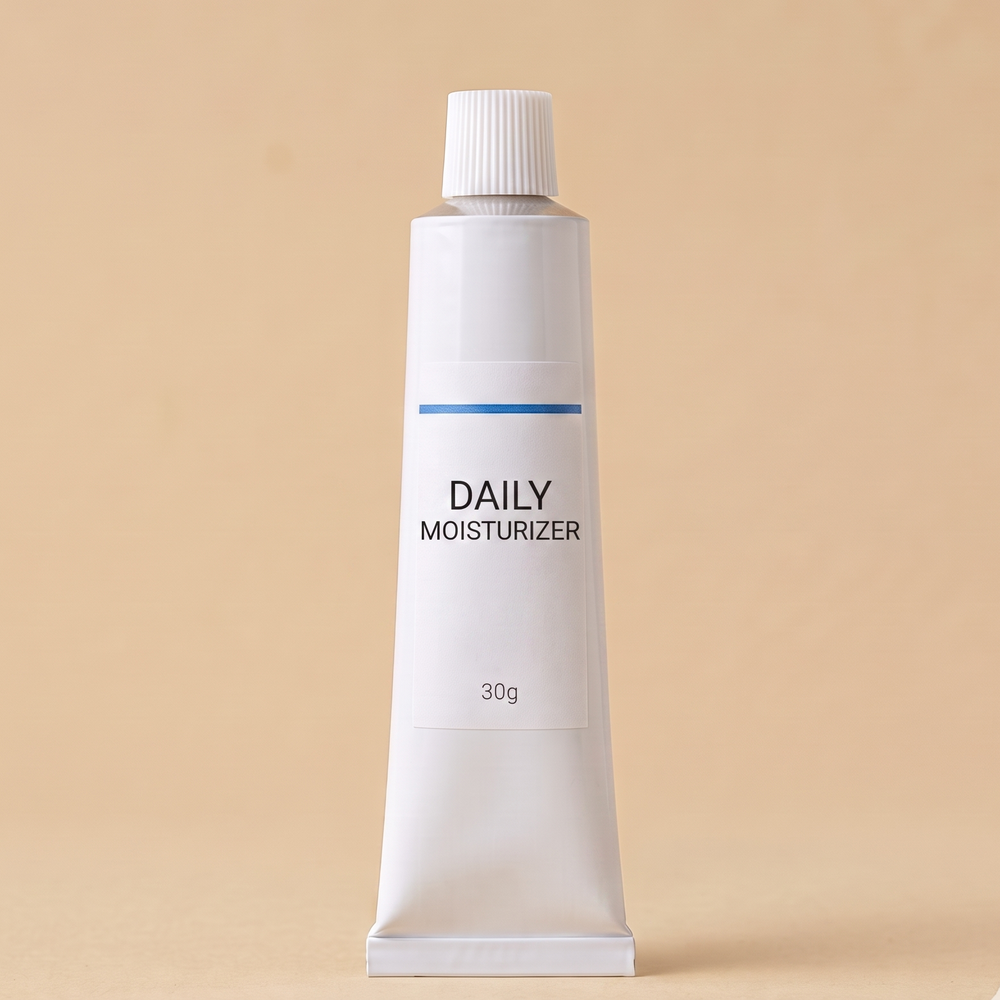
Pleasant, affordable and mostly water. It absorbs, and a few hours later the tightness is back.
Gentler, but most are diluted, and fragrance or essential oils can flare reactive skin.
Which brings you to the real question. Not "which cream has honey in it", but "what can I trust when my skin gets difficult again?"
Do one of them and you buy a few hours. Do all three, every day, and the skin finally gets a stretch of calm long enough to recover in.
Refill the oils and fats missing from the gaps, so the tight, flaky layer softens instead of cracking.
Hold that moisture in place, so freshly moisturised skin doesn't dry out again an hour later.

Leave a protective layer over the surface, so soap, weather and friction stop setting off the next flare.
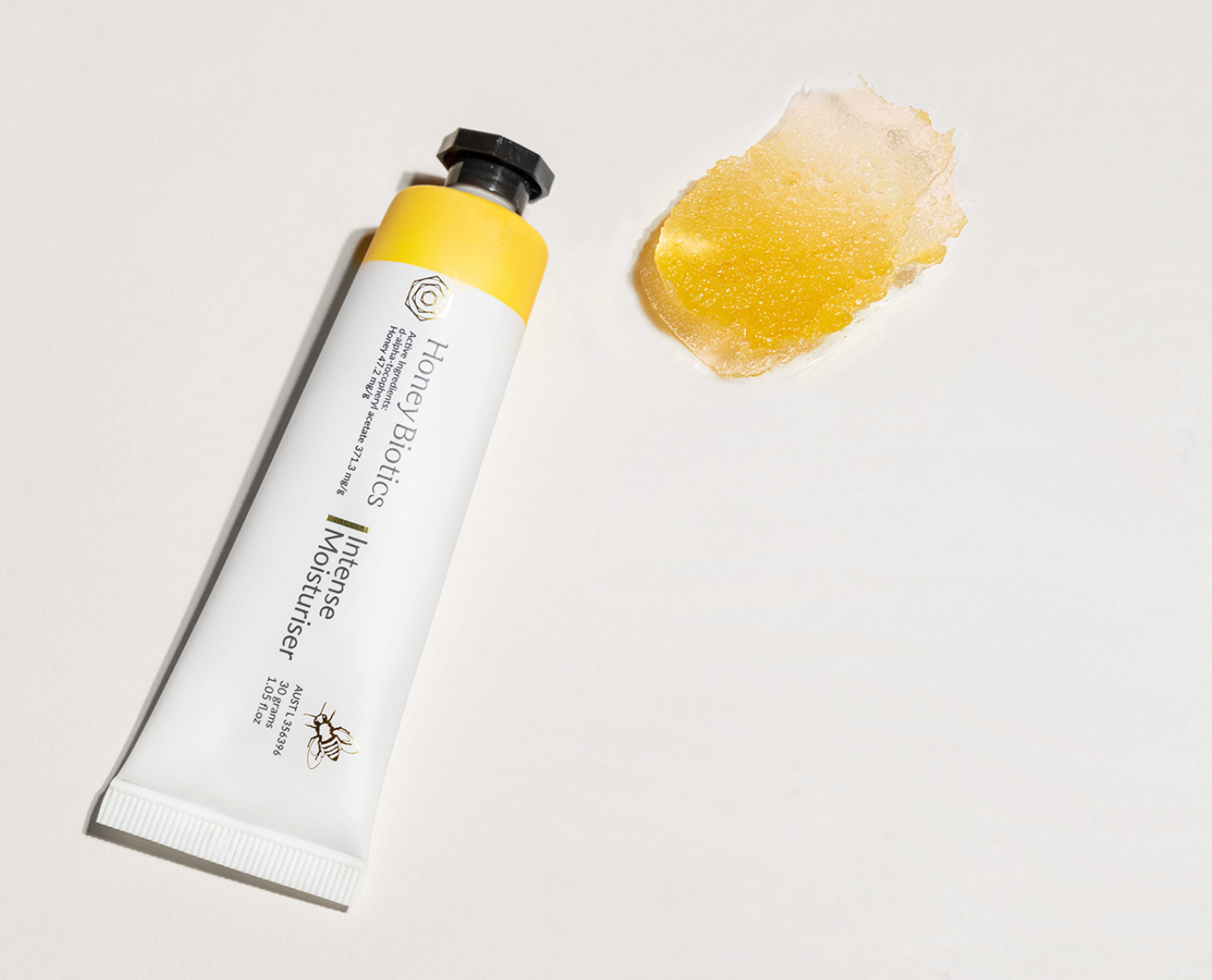
A concentrated, steroid-free skin balm for skin that needs more than an ordinary moisturiser.

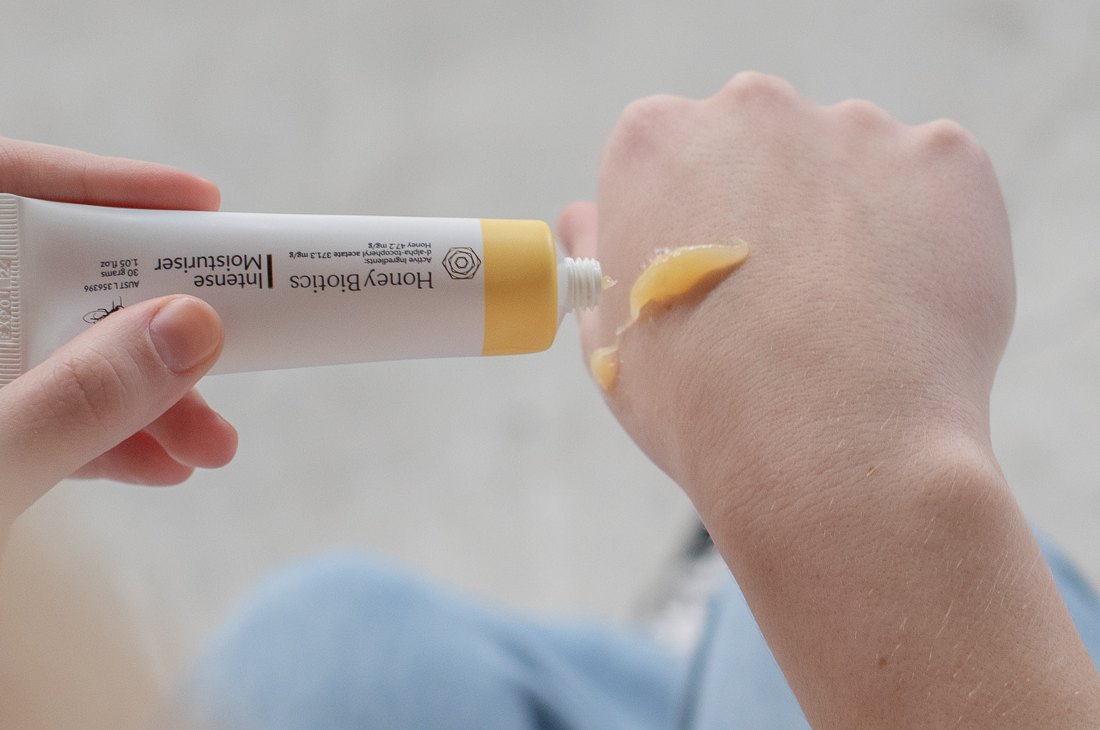
It isn't a lotion. It's a rich, ointment-style balm where 43% of the tube is active ingredient instead of the usual 5%. Manuka honey and Vitamin E soothe, jojoba and shea refill, beeswax seals. Replenish, retain and shield, from one tube.



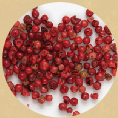
Jojoba wax esters and shea butter sit into the spaces between dry surface cells, so the layer softens instead of splitting.
Manuka honey draws water in, beeswax and the oil-rich base slow how fast it leaves. Freshly moisturised skin stays that way.
UMF 15+ Manuka honey soothes irritated skin. Most people report the itch easing within days, which is when the nights get better.
A breathable beeswax layer stands between your skin and the soap, wind, washing and friction that set off the next flare.
No steroids means no cap on how often or how long you use it. It's the part of the routine that keeps working when the flare is over.
Honeybiotics is a steroid-free moisturising and barrier-support balm for daily use, including between flare-ups or alongside a treatment plan from your health professional. It isn't a replacement for anything your doctor has prescribed.
Real before-and-afters from Australians with eczema, dermatitis and psoriasis.


"The itchy rash on my arm had been there for weeks and nothing shifted it. A little of this and it calmed right down."


"After 8 months of red, itchy arms that nothing fixed, this cleared them in a few weeks."


"The skin on my leg had been red, raw and broken out for months, and I'd honestly tried everything. A few weeks with this and it finally looks like my own skin again."


"The skin on my eyelids was red, dry and flaking, and most creams stung too much to use up there. This one I can put right on the lids. No sting, and they've calmed right down."
Individual results vary with condition and severity. Soothing is often noticed quickly, visible improvement takes consistent use.
In a standard cream, around 95% of what you rub in is water and filler. In this one, nearly half the tube is the ingredients doing the work.


Break the cycle at the point where it actually starts. One tube, morning and night, for as long as your skin needs it.

It isn't that you haven't tried hard enough. It's that nothing you've tried has dealt with the reason it returns.
You moisturise every single day, and by evening your skin is tight, itchy and dry again.
The cream from the doctor settles it. Then weeks later it's back, usually in the same spot.
There's a drawer full of tubes you've bought over the years. Most of them stopped working.
You plan your clothes, your holidays and your photos around how your skin is behaving that week.
Or you're watching a child or a grandchild scratch in their sleep, and nothing you put on them lasts.
Thousands of Australians live in exactly this loop. The problem was never your effort. It's that eczema keeps returning for reasons an ordinary moisturiser was never built to deal with.
Most people think of eczema as a rash that appears. It's closer to a loop that never fully closes.
Five reasons. Not one of them is that your
skin is simply dry.
Healthy skin is sealed. Eczema-prone skin has gaps in that seal, so water escapes out and irritants get in - on a calm day, long before you see a flare.
You did put moisture in. There was simply nothing holding it there. Most creams are built to add water. Very few are built to keep it.
You scratch because it itches. It itches more because you scratched. Every round breaks the surface open a little further. Relief for seconds, damage for weeks.
None of these caused your eczema. But with nothing shielding the skin, each one is enough to tip a calm patch back into a flare.
A steroid cream calms inflammation that is already happening. It was never designed to repair the surface that let the flare start, so the redness clears, and the same worn barrier is still there, waiting.
Each one does part of the job. None of them does the whole job.
Good at bringing a flare down fast, but they're meant for short bursts, and the barrier is left no stronger.
Pleasant, affordable and mostly water. It absorbs, and a few hours later the tightness is back.
Gentler, but most are diluted, and fragrance or essential oils can flare reactive skin.
Which brings you to the real question. Not "which cream has honey in it", but "what can I trust when my skin gets difficult again?"
Do one of them and you buy a few hours. Do all three, every day, and the skin finally gets a stretch of calm long enough to recover in.
Refill the oils and fats missing from the gaps, so the tight, flaky layer softens instead of cracking.
Hold that moisture in place, so freshly moisturised skin doesn't dry out again an hour later.
Leave a protective layer over the surface, so soap, weather and friction stop setting off the next flare.
A concentrated, steroid-free skin balm for skin that needs more than an ordinary moisturiser.
It isn't a lotion. It's a rich, ointment-style balm where 43% of the tube is active ingredient instead of the usual 5%. Manuka honey and Vitamin E soothe, jojoba and shea refill, beeswax seals. Replenish, retain and shield, from one tube.
Jojoba wax esters and shea butter sit into the spaces between dry surface cells, so the layer softens instead of splitting.
Manuka honey draws water in, beeswax and the oil-rich base slow how fast it leaves. Freshly moisturised skin stays that way.
UMF 15+ Manuka honey soothes irritated skin. Most people report the itch easing within days, which is when the nights get better.
A breathable beeswax layer stands between your skin and the soap, wind, washing and friction that set off the next flare.
No steroids means no cap on how often or how long you use it. It's the part of the routine that keeps working when the flare is over.
Honeybiotics is a steroid-free moisturising and barrier-support balm for daily use, including between flare-ups or alongside a treatment plan from your health professional. It isn't a replacement for anything your doctor has prescribed.
Real before-and-afters from Australians with eczema, dermatitis and psoriasis.
"The itchy rash on my arm had been there for weeks and nothing shifted it. A little of this and it calmed right down."
"After 8 months of red, itchy arms that nothing fixed, this cleared them in a few weeks."
"The skin on my leg had been red, raw and broken out for months, and I'd honestly tried everything. A few weeks with this and it finally looks like my own skin again."
"The skin on my eyelids was red, dry and flaking, and most creams stung too much to use up there. This one I can put right on the lids. No sting, and they've calmed right down."
Individual results vary with condition and severity. Soothing is often noticed quickly, visible improvement takes consistent use.
In a standard cream, around 95% of what you rub in is water and filler. In this one, nearly half the tube is the ingredients doing the work.
Break the cycle at the point where it actually starts. One tube, morning and night, for as long as your skin needs it.