
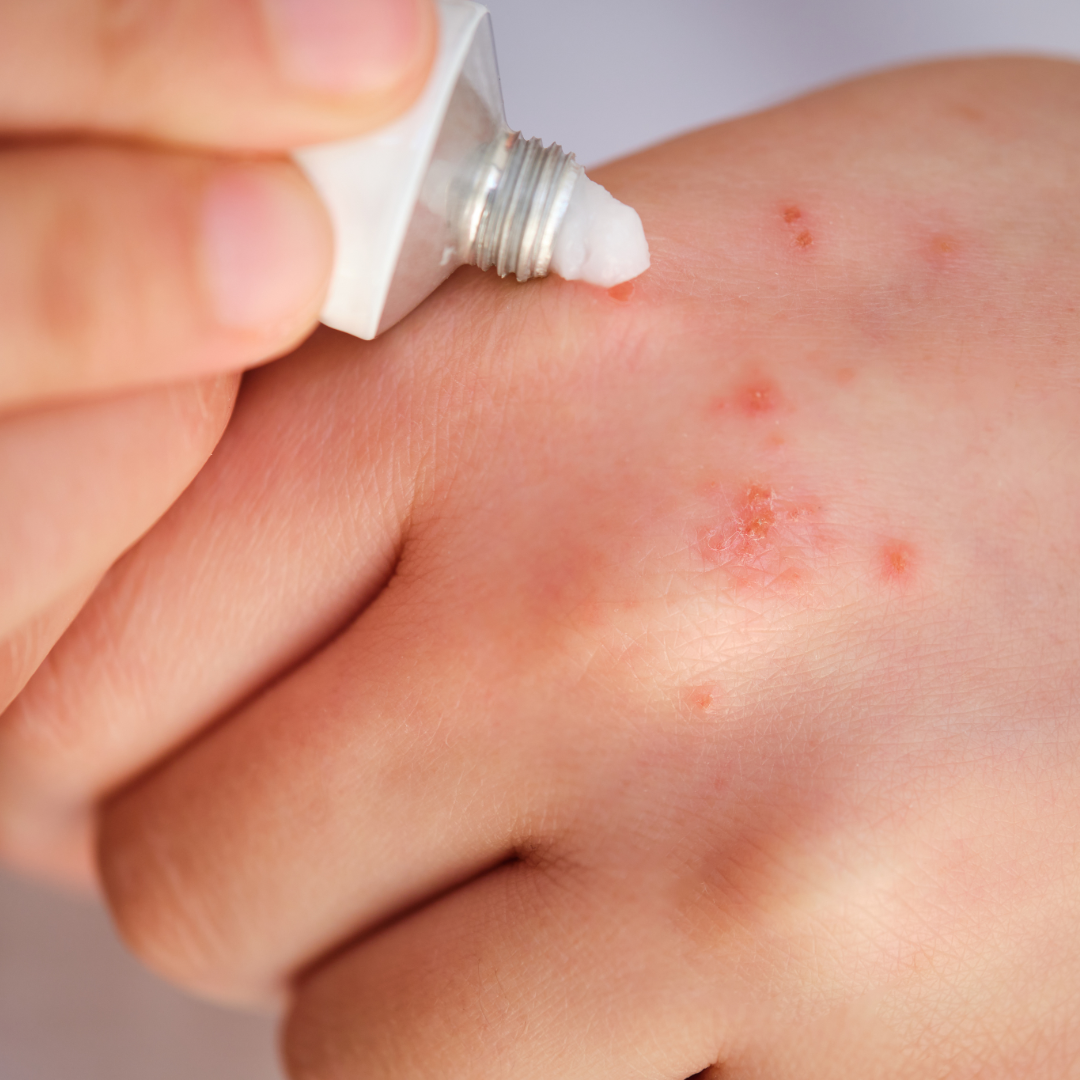
What Happens to Your Skin When You Use Steroid Creams Long-Term?
If you’ve ever dealt with eczema, dermatitis or ongoing flare-ups, chances are you’ve used a steroid cream at some point.
And to be fair — they can work quickly.
Redness settles down. The itching eases. Angry skin starts to look calmer. For many people, especially during a bad flare, steroid creams feel like a lifesaver.
But what happens when they become part of your long-term routine?
That’s where things get more complex.
This isn’t about fear-mongering or saying steroid creams are “bad.” They absolutely have their place. But if you’ve been using them for months or even years — it’s worth understanding how long-term use can affect your skin.
First Things First: They Have a Role
Topical corticosteroids are commonly prescribed by GPs and dermatologists to manage inflammatory skin conditions.
When used correctly and for the right duration, they can:
-
Reduce inflammation
-
Calm redness
-
Ease itching
-
Prevent severe flare progression
For many people, they’re an important part of treatment.
The key word is managed.
Long-term, ongoing use — especially without regular review is where skin changes can sometimes occur.
How Steroid Creams Actually Work
Steroid creams suppress inflammation by dampening the immune response in your skin.
Inflammation is what causes the redness, swelling and itch during a flare-up. Steroids turn down that inflammatory signal.
That’s why results can feel almost immediate.
But here’s the part that often gets overlooked:
Steroids calm inflammation — they don’t rebuild your skin barrier.
And if you live with eczema or chronic dermatitis, your skin barrier is usually already compromised.

What Can Happen With Long-Term Use?
Not everyone will experience side effects. It depends on the strength of the steroid, how often it’s used, and where it’s applied.
But with prolonged use, particularly stronger formulations — some changes may occur.
1. Skin Thinning
Over time, steroids can reduce collagen production in the treated area. This may cause the skin to become thinner and more fragile.
You might notice:
-
Skin bruises more easily
-
It feels delicate
-
It tears more easily
This is more common with higher-potency steroids used over extended periods.
2. Increased Sensitivity
Some people find their skin becomes more reactive over time.
When inflammation is repeatedly suppressed, the skin’s natural response system can become altered. As a result, you may notice:
-
Flares return quickly once treatment stops
-
Skin reacts more easily to heat, sweat or skincare
-
Greater sensitivity to everyday triggers
This doesn’t happen to everyone, but it’s something dermatologists monitor for.
3. The Flare Cycle
One of the most frustrating patterns people describe is this:
Flare → Steroid → Skin clears → Stop → Flare returns
Steroids are excellent at calming active inflammation. But if the underlying barrier isn’t strengthened, the skin may remain vulnerable.
So while inflammation is being controlled, the root issue — barrier dysfunction — might still be present.
4. Ongoing Reliance
When skin becomes used to inflammation being suppressed externally, it can feel harder to maintain stability without treatment.
Again, this varies from person to person. Some transition smoothly. Others feel like their skin struggles to regulate itself.
This is why long-term plans usually involve more than just reactive treatment.
Why the Skin Barrier Is So Important
Your skin barrier is your first line of defence against:
-
Dry air
-
Heat
-
UV exposure
-
Sweat and friction
-
Irritants
When it’s healthy, it holds moisture in and keeps irritants out.
When it’s compromised, skin becomes:
-
Dry
-
Itchy
-
Easily inflamed
-
Quick to flare
If long-term steroid use has calmed inflammation but the barrier hasn’t been actively supported, the skin may remain fragile underneath.
What Long-Term Skin Support Looks Like
If steroid creams have been part of your routine for a while, the focus eventually shifts from suppression to support.
That usually means:
Simplifying Your Routine
No harsh exfoliants. No experimenting with actives. Keep it steady.
Moisturising Properly (and Regularly)
Not just when skin feels dry but daily, consistently. Especially after showering.
Avoiding Common Triggers
Long hot showers, fragranced products and over-cleansing can all make compromised skin worse.
Supporting Your Body, Too
Stress, lack of sleep and heat can all contribute to flare-ups. Skin and nervous system are closely linked.

The Role of a Barrier-Supportive Moisturiser
When you’re thinking long-term, moisturiser stops being just a “hydration step.”
It becomes structural support.
A well-formulated moisturiser for sensitive or eczema-prone skin can help:
-
Reduce moisture loss
-
Replenish lipids
-
Soothe irritation
-
Improve skin comfort over time
Consistency is what makes the difference.
Not quick fixes.
Not miracle claims.
Just steady reinforcement of the skin barrier.
For many people, this kind of ongoing support helps create a more stable baseline — meaning fewer severe flare-ups over time.
A Gentle Reminder
If you’re currently using prescription steroid creams, don’t stop abruptly without speaking to your GP or dermatologist.
Treatment plans should always be individualised. What works for one person may not be right for another.
The goal isn’t to remove helpful treatment, it’s to build long-term resilience alongside it.
Final Thoughts
Steroid creams can be very effective in calming inflamed skin.
But skin health isn’t only about calming inflammation at the moment. It’s about strengthening the skin so it’s less reactive in the first place.
Long-term resilience is built through:
-
Barrier repair
-
Consistent moisturising
-
Gentle routines
-
Patience
If you’re thinking beyond flare management and toward stronger, steadier skin, the conversation shifts from reacting to supporting.
And that shift can make all the difference.
Read more

Keep your skin hydrated and healthy while travelling. This guide shares simple tips for flights and long drives, including pre-travel prep, in-journey care, and post-travel recovery. Travel-friendl...
Discover how your skin changes from your 20s to 60s and beyond, with age-appropriate skincare tips and ingredients that work for every stage of life.
