
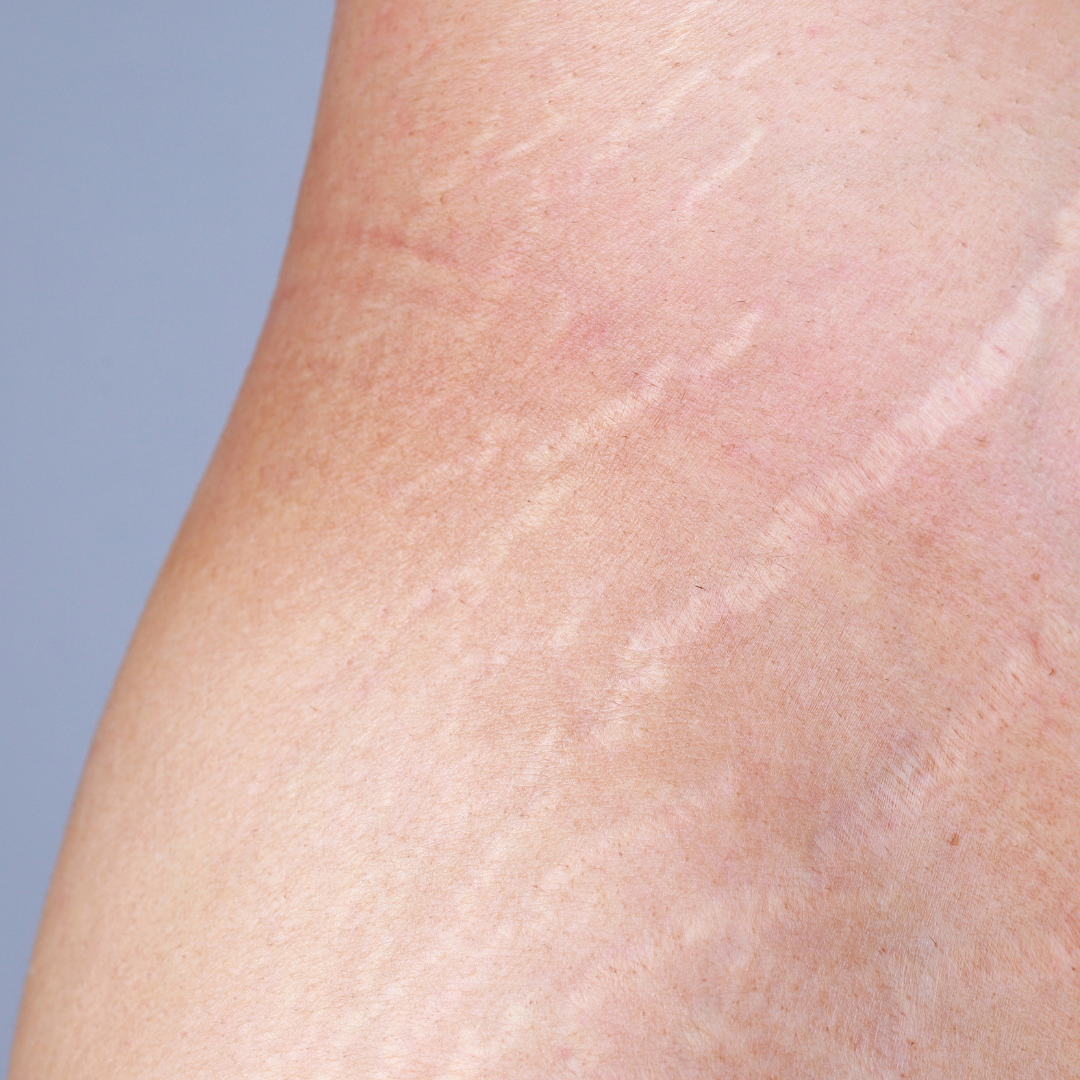
How to Improve the Appearance of Scars and Stretch Marks
You can’t completely erase scars or stretch marks, but you can noticeably improve their appearance over time — mainly by keeping the skin well moisturised and gently massaging the area once it has fully healed. The key is consistency: scars and stretch marks soften and fade gradually over weeks and months, not overnight.
What are scars and stretch marks?
A scar is the natural mark left behind as your skin repairs itself after an injury, surgery or burn. Stretch marks are actually a type of scar, formed deeper in the skin when it’s stretched faster than it can adjust — during pregnancy, growth spurts, or rapid changes in weight. They often start out pink, red, purple or brown, then fade over time to a paler, silvery tone.
Both are extremely common and completely normal. Around three in four women develop stretch marks during pregnancy, and genetics play a big part in who gets them and how noticeable they are.

Can you get rid of scars and stretch marks completely?
Honestly, no — it’s very difficult to remove a scar or stretch mark entirely, especially once it’s older and has faded. But that’s not the whole story. With consistent care, you can make them softer, flatter and less noticeable, and help them blend more naturally with the surrounding skin. Newer marks tend to respond best, so starting early (once skin is healed) gives you the best results.
How can you improve their appearance?
A few simple, consistent habits make the biggest difference:
- Moisturise daily. Well-hydrated skin stays more supple and elastic, which improves comfort and the overall look of scars and stretch marks.
- Massage the area regularly. Once skin is healed, gentle massage boosts circulation and helps scar tissue remodel — becoming softer, flatter and less visible over time.
- Protect it from the sun. UV exposure can darken scars and make them more obvious, so keep healing skin covered or protected.
- Support your skin from within. Staying hydrated, eating well and keeping active all help your skin stay healthy and resilient.
- Be patient and consistent. Results build over months of regular care, not days.
How do you massage a scar or stretch marks safely?
Scar massage is simple, but timing matters. Only begin once the skin is fully healed — no open areas, scabbing, redness, warmth or signs of infection (usually a few weeks after an injury or surgery, but check with your doctor first). Then:
- Wash your hands
- Apply a moisturising cream so your fingers glide smoothly.
- Massage gently in slow, circular motions for around 5–10 minutes.
- Do this once or twice a day, easing off near tender or sensitive areas.
- Keep it up — consistency over weeks and months is what brings results.
Where Honey Biotics Intense Moisturiser fits in

A rich, hydrating cream is ideal for this kind of daily care, and our Intense Moisturiser is a TGA-listed medicine that helps improve the appearance of scars and stretch marks. Made in Australia with MGO 570+ Manuka honey — a natural humectant — it hydrates the skin and keeps it supple, making it a comforting cream to massage into healed scars and stretch marks each day.
Because it’s steroid-free, it’s suitable for daily, ongoing use. Apply it only to fully healed, intact skin, patch test before first use, and stop if irritation occurs.
When should you see a doctor?
It’s worth seeing your GP or a dermatologist if a scar is raised, red and growing (a possible keloid or hypertrophic scar), is painful or itchy, or restricts your movement — and any time you’re unsure whether an area has healed enough to massage. A professional can also talk you through other options, such as silicone gels, pressure therapy or laser treatment, if you’d like more than skincare alone.
Frequently asked questions
Can you completely remove stretch marks?
Not entirely — but you can reduce how noticeable they are. Regular moisturising and massage help them fade and blend, and they work best on newer marks.
Does moisturising help scars and stretch marks?
Yes. Keeping the skin hydrated improves comfort and elasticity and helps improve the overall appearance of scars and stretch marks, especially when paired with gentle massage.
When can I start massaging a scar?
Only once the skin is fully healed — no open areas, scabbing or signs of infection. This is usually a few weeks after the injury or surgery, but always check with your doctor first.
Can I use Intense Moisturiser on scars and stretch marks?
Yes. It’s a TGA-listed medicine that helps improve the appearance of scars and stretch marks, and it makes a hydrating cream to massage into healed skin daily. Patch test before first use.
How long until I see results?
Expect gradual change over weeks to months. Scars and stretch marks fade slowly, so consistent daily care is what makes the difference.
This article is general information, not medical advice. Speak to your doctor about your individual situation, particularly for raised, painful or changing scars.
Read more
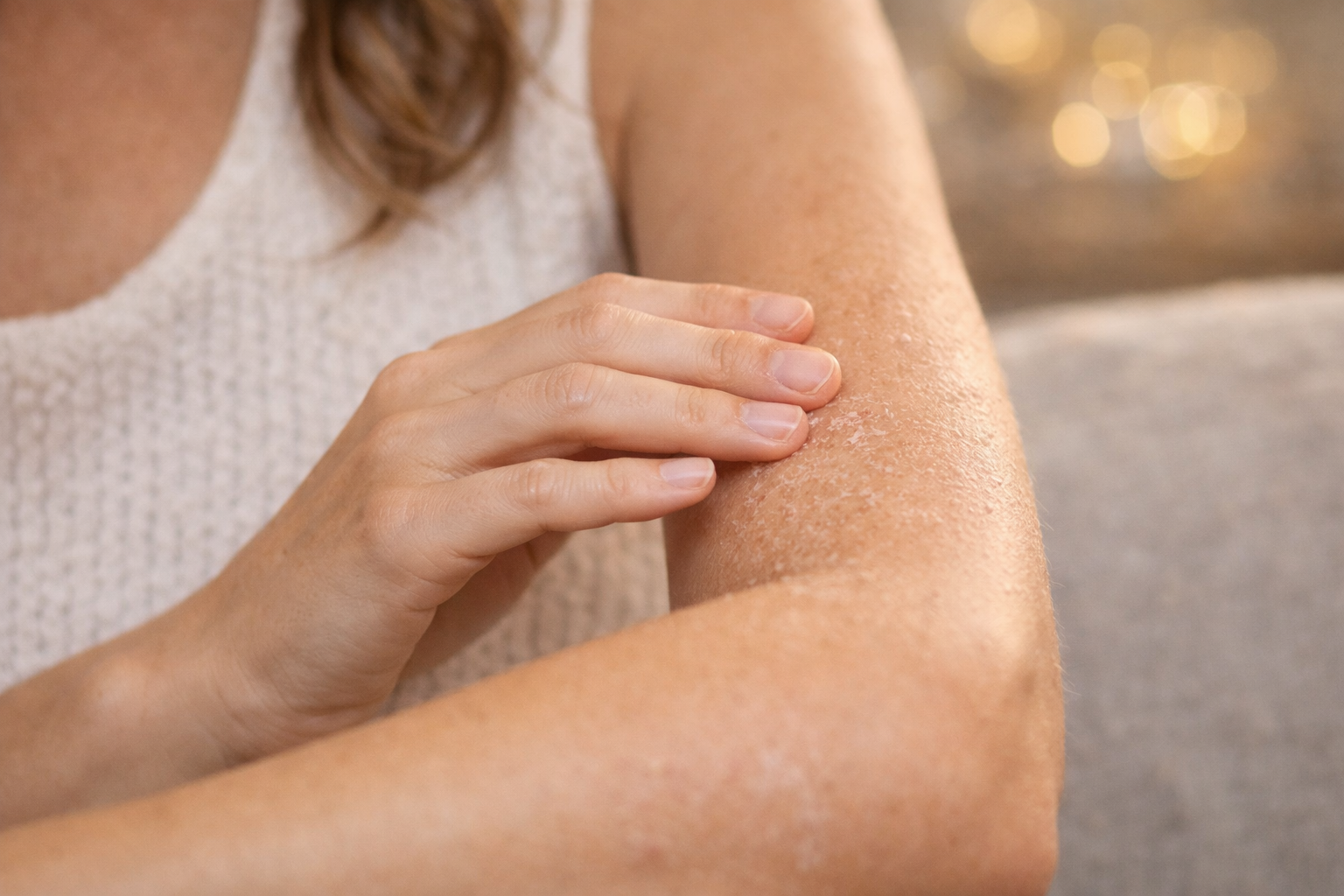
From tight and flaky to soft and comfortable, explore a real customer story featuring Honey Biotics Intense Moisturiser for dry, sensitive skin.
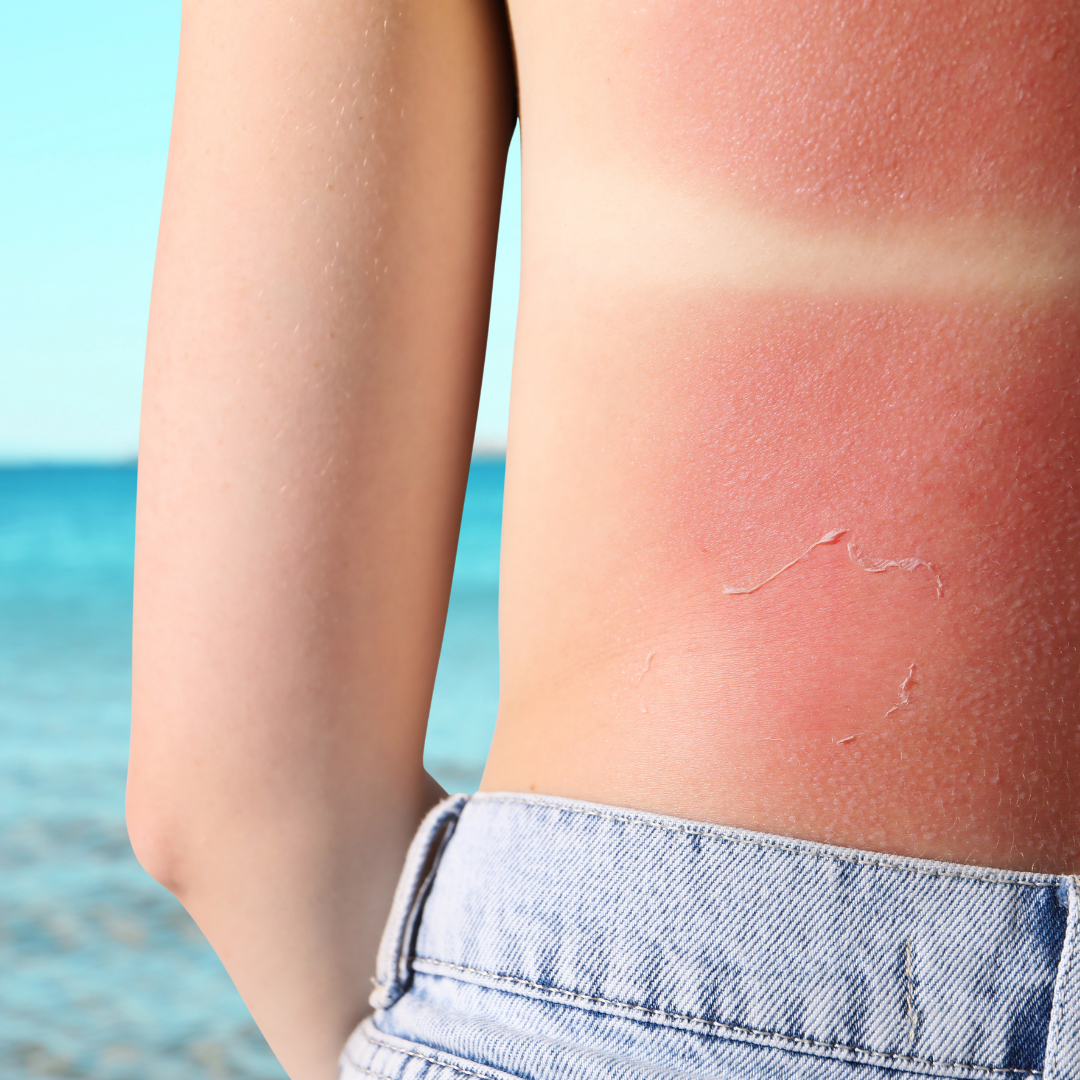
Caught the sun, or grabbed something hotter than expected? Here's how to care for a minor burn or sunburn the right way — what to do first, what to avoid, how to soothe and cool the skin, and when ...
