

Your Spring Skin Reset: What to Change (and What to Keep)
As the weather starts to turn, your skin's needs shift too. Winter routines tend to lean on heavier layers to fight dryness — but as humidity rises and the air warms up, the same routine can start to feel like too much. A spring reset isn't about overhauling everything; it's about a handful of smart adjustments, and knowing what's actually worth keeping steady.
What changes when winter turns to spring
Two things shift at once as the seasons turn: the air itself, and what it's carrying. Rising humidity means skin doesn't lose moisture to the environment as fast, so heavy, occlusive products that felt necessary in July can start to feel greasy or clog-prone by September. At the same time, spring brings pollen and blooming plants, which is a common trigger for seasonal skin irritation — redness, itchiness, or a rash that seems to appear out of nowhere.
Signs your routine needs adjusting
A few signals that it's time for a seasonal tweak, not a full winter routine:
- Products that felt right in winter now feel heavy or sit on the skin instead of absorbing
- New breakouts or clogged pores, especially if you didn't change products but the weather changed around you
- Unexplained irritation or a rash that lines up with pollen season
- Skin that feels oilier by midday than it did a few weeks ago
What to adjust this spring
- Ease off heavy, occlusive layers as humidity increases and skin needs less help retaining moisture.
- Reintroduce exfoliation gradually if you paused it over winter — skin cell turnover often slows in colder months.
- Watch for seasonal irritation from pollen and blooming plants, especially on days with high pollen counts.
- Keep SPF consistent — UV exposure increases as days lengthen, even before it properly feels like summer.
- Don't drop moisturiser altogether — the barrier still needs support, even if it needs less of it than in peak winter.
Why moisturiser should stay constant
It's tempting to treat "lighter skin, lighter routine" as a blanket rule and cut moisturiser out of the equation in spring. That's usually a mistake. A barrier that's spent months compensating for dry winter air doesn't reset itself the moment the weather changes — it still needs support while it adjusts, just not necessarily from a heavier formula. The goal isn't less moisturiser; it's a moisturiser that doesn't need to be swapped out every time the season shifts.
How to transition, step by step
Knowing what to change is one thing — doing it without upsetting your skin is another. A few practical tips for making the shift smoothly:
- Swap one thing at a time. Don't overhaul your whole routine in a single week. Change one product, wait 7–10 days, then assess before changing the next.
- Go lighter in layers, not all at once. If you're moving from a heavy night cream to something lighter, try applying a thinner layer of your current product first before buying something new — sometimes less product is the only adjustment you need.
- Patch test anything new. Especially during pollen season, skin can be more reactive than usual, so a new product is more likely to cause irritation than it would at another time of year.
- Ease back into exfoliation slowly. If you paused exfoliating over winter, start at half your usual frequency for the first couple of weeks rather than jumping straight back to your old routine.
- Track what's actually changing. If a new symptom shows up, note whether it lines up with a product change or a high-pollen day — that distinction determines whether the fix is a routine tweak or avoiding outdoor exposure.
- Keep one constant while everything else shifts. Anchoring your routine around a moisturiser you don't need to change makes it easier to tell whether a new symptom is caused by the season or by something you swapped in.
Where Honey Biotics Intense Moisturiser fits in

The Intense Moisturiser is formulated to hydrate without feeling heavy, which is part of why it doesn't need to be paused or replaced as the seasons change. It's a TGA-listed medicine made in Australia, combining MGO 570+ Manuka honey, Natural Vitamin E at 37% concentration, jojoba oil, shea nut butter, grapefruit seed extract and beeswax — steroid-free, so it's suitable for regular, ongoing use whether it's the depths of winter or the start of spring. As always, patch test on a small area first.
Frequently asked questions
Do I really need to change my skincare routine for spring?
Not a full overhaul — usually just a few adjustments. Rising humidity means heavier products can start to feel too occlusive, and pollen season can bring its own irritation, but most of your routine can stay the same.
Should I stop moisturising as it gets warmer?
No. The barrier still needs support year-round — what matters is using a moisturiser that doesn't feel heavy rather than skipping the step altogether.
Why does my skin suddenly break out when spring starts?
It's often a combination of rising humidity interacting with products formulated for winter, and skin cell turnover changing as the weather warms. Easing off heavier layers usually helps.
Can pollen actually irritate skin, not just allergies?
Yes. Pollen exposure can cause skin irritation and rashes in some people, separate from typical hay-fever symptoms, particularly on exposed areas like the face and hands.
This article is general information, not medical advice. Speak to your doctor about your individual situation.
Read more
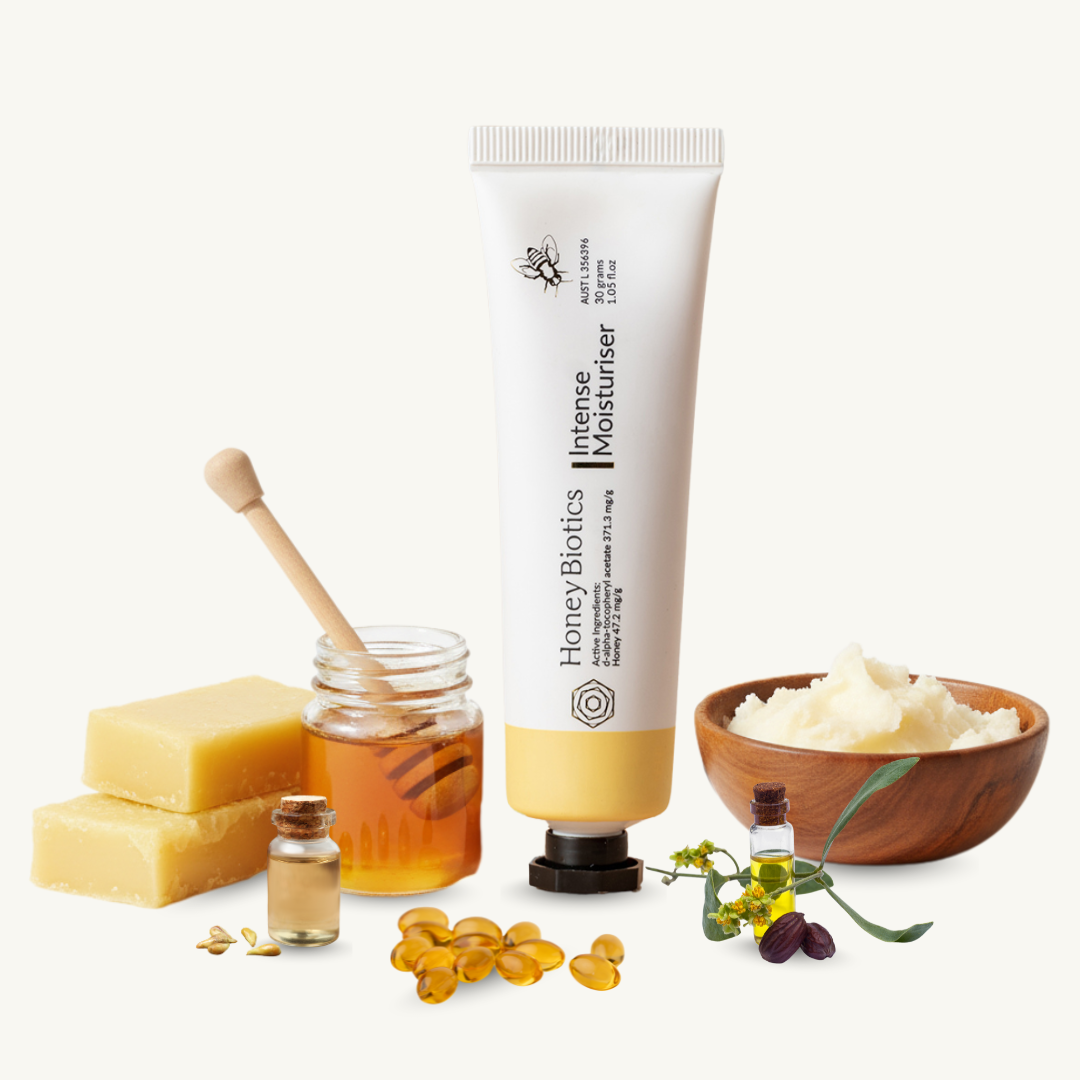
More ingredients isn't the same as more effective. Here's how our 6 actives each solve a different problem — and why that matters more than a long ingredient list.
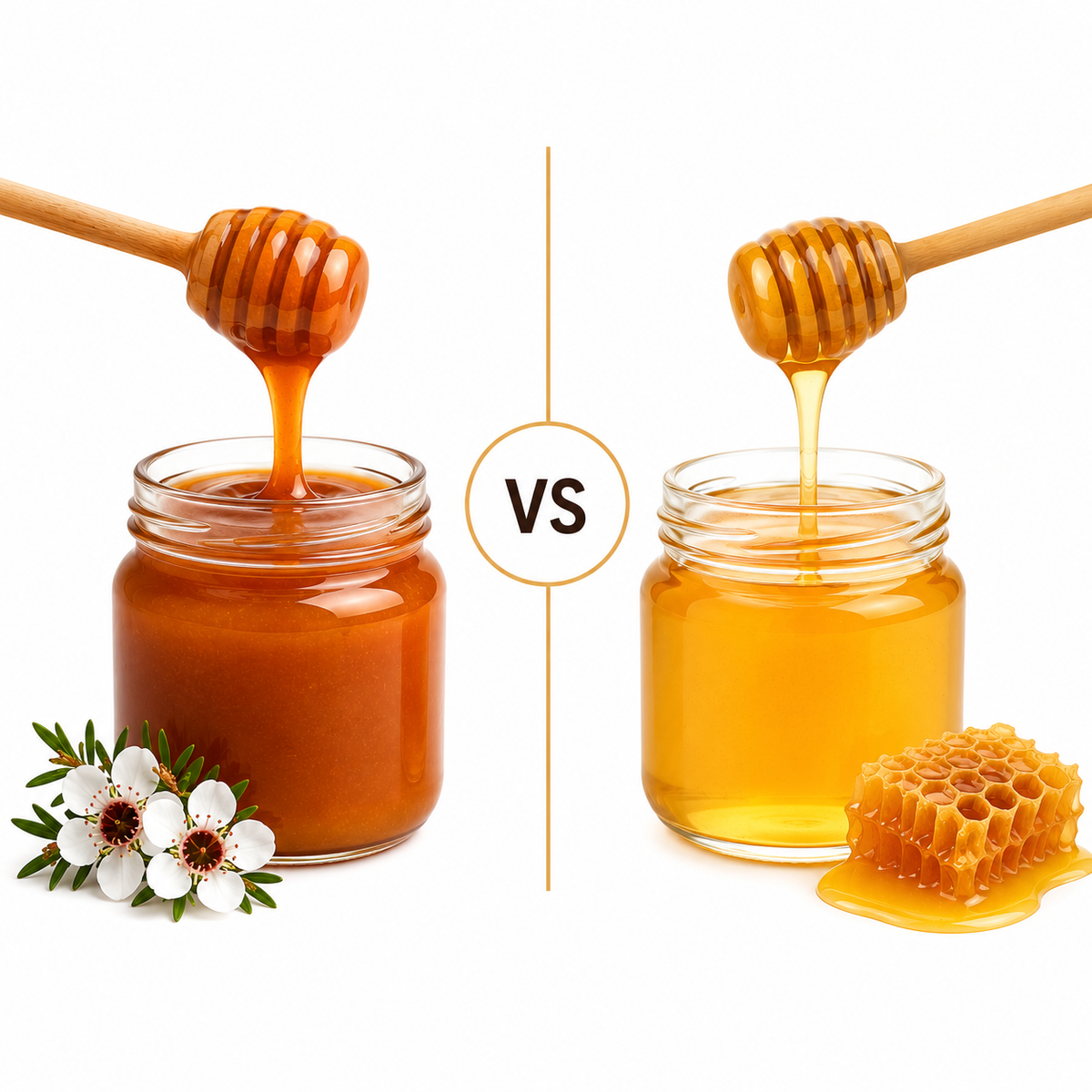
All honey is good for your skin — but is Manuka really worth the extra cost? Here's what makes Manuka different from regular honey, and when it's the better choice.
