
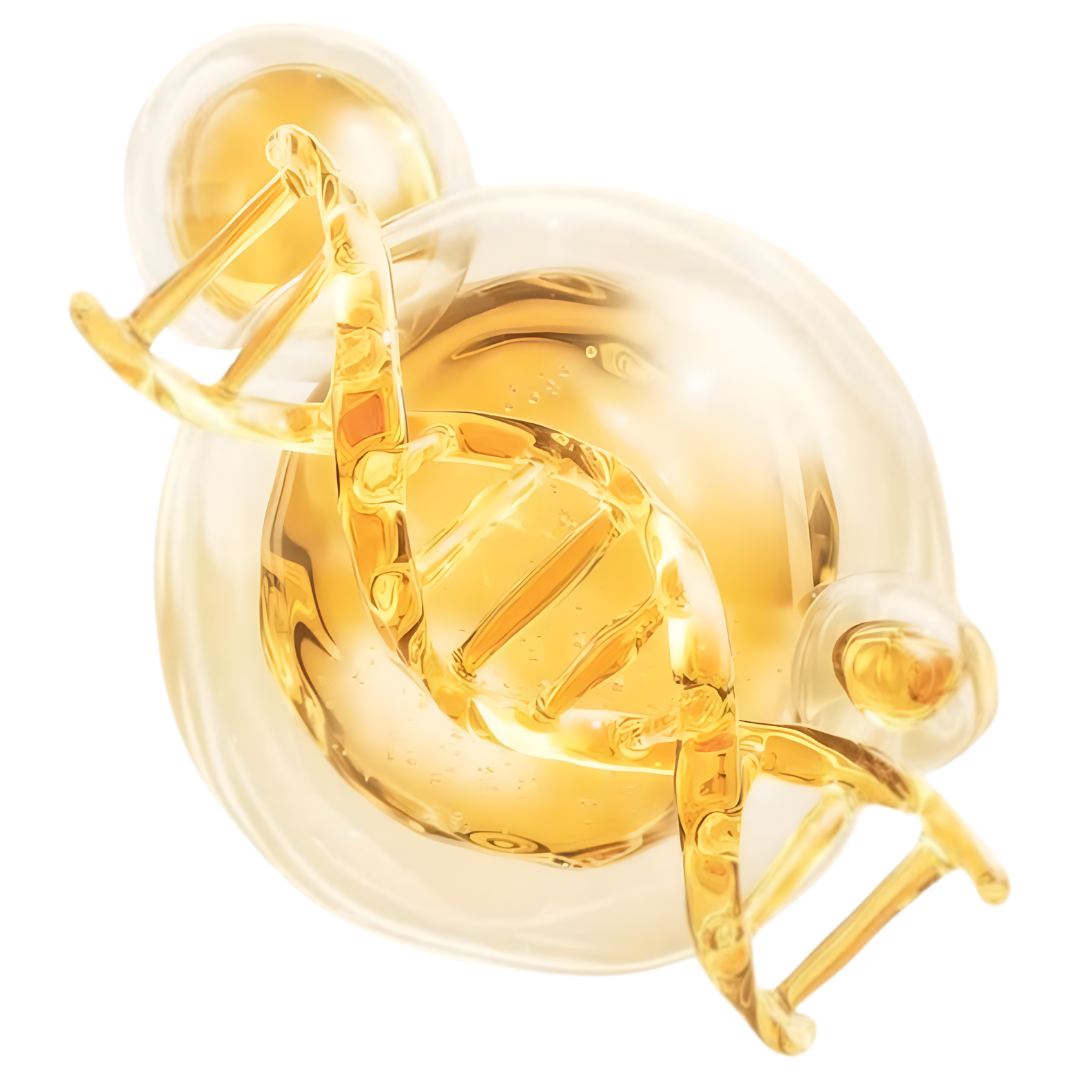
15× Stronger Than Any Other: Inside Our Vitamin E Formula
Vitamin E is one of the most common ingredients in skincare, but concentration is what actually determines whether it does anything — fortifying the skin barrier, defending against environmental damage, and supporting skin that's under stress from wind, sun, or a damaged barrier. Most products include just enough Vitamin E to list it as an ingredient, not enough to rely on it as an active driver of results.
What is Vitamin E?

Vitamin E is a fat-soluble antioxidant, meaning it works inside the skin's lipid layer rather than sitting on the surface. In skincare, it most commonly appears as D-Alpha Tocopheryl Acetate — the naturally-derived, most stable and bioavailable form of the vitamin. Unlike synthetic tocopherol, D-Alpha Tocopheryl Acetate is more readily used by the skin, which is part of why the source and form of Vitamin E matter as much as whether it's present at all.
What are the benefits of Vitamin E for skin?
Vitamin E's effects on skin are well documented, and the main ones are:
- It fortifies the skin barrier. Vitamin E supports the lipid structure that keeps moisture in and irritants out — the same barrier that gets compromised by weather, harsh cleansing, or long-term steroid cream use.
- It defends against environmental damage. As an antioxidant, it neutralises free radicals generated by UV exposure, pollution, and everyday environmental stress before they damage skin cells.
- It supports moisture retention. By reinforcing the barrier, Vitamin E helps skin hold onto hydration rather than losing it to the surrounding air.
- It calms stressed or irritated skin. Vitamin E is generally well tolerated and is often used alongside other soothing ingredients for sensitive, reactive, or compromised skin.
- It works synergistically with other actives. Vitamin E is frequently paired with ingredients like Manuka honey, since the two target different parts of the same problem — hydration and barrier repair.
Why concentration matters more than the ingredient list
Here's the part most labels don't tell you: two products can both say "contains Vitamin E" while one uses a fraction of a percent and the other uses a genuinely active dose. At trace concentrations, Vitamin E is present but not doing meaningful work — it's there for the ingredient list, not the result.
Honey Biotics Intense Moisturiser uses Natural Vitamin E (D-Alpha Tocopheryl Acetate) at 37% concentration — up to 15 times stronger than standard Vitamin E creams. At that concentration, Vitamin E isn't a supporting player; it's one of the formula's primary actives, working alongside MGO 570+ Manuka honey to fortify the barrier and defend against environmental stress rather than simply moisturising the surface.
What skin types and concerns does it suit?
Higher-concentration Vitamin E is particularly useful for:
- Environmentally stressed skin — regularly exposed to wind, sun, air conditioning, or harsh indoor heating
- Compromised or thinning barriers — including skin affected by eczema, dermatitis, or long-term steroid cream use, where the barrier itself needs active support, not just surface hydration
- Dry or dehydrated skin — where a moisturiser needs to do more than sit on top of the skin
- Anyone whose current moisturiser "feels" like it's not doing much — often a sign the active ingredients are present at concentrations too low to matter
As with any active ingredient, patch testing on a small area first is a sensible precaution, particularly for very reactive or broken skin.
Why Vitamin E Works Best Alongside Manuka Honey
Vitamin E on its own has a gap: it fortifies and protects, but it doesn't actively draw moisture into the skin. That's exactly what Manuka honey does. As a natural humectant, Manuka honey pulls hydration into the skin, while Vitamin E reinforces the barrier that keeps that hydration locked in — two different jobs, done at the same time, on the same application.
Used separately, each ingredient does part of the job. Together, they cover both sides of what compromised or dry skin actually needs: something to bring moisture in, and something to stop it from leaving again. This is also why a standalone Vitamin E oil tends to underdeliver — it can protect skin that's already hydrated, but it isn't formulated to address dryness at the source the way a Manuka-Vitamin E combination is.
This pairing is also why concentration matters on both sides. A high dose of Vitamin E paired with a low-grade Manuka honey (or vice versa) still leaves one half of the equation underpowered. Honey Biotics Intense Moisturiser uses MGO 570+ Manuka honey alongside Natural Vitamin E at 37% concentration specifically so neither ingredient is the weak link.
Where Honey Biotics Intense Moisturiser fits in

If you'd like Vitamin E and Manuka honey working together rather than relying on either alone, our Intense Moisturiser is a TGA-listed medicine made in Australia, combining Natural Vitamin E at 37% concentration with MGO 570+ Manuka honey, jojoba oil, shea nut butter, grapefruit seed extract and beeswax. It's formulated to fortify the barrier and calm dry, sensitive or irritated skin, and it's steroid-free, so it's suitable for regular, daily use. As always, patch test on a small area before using it more widely.
Frequently asked questions
What does Vitamin E actually do for skin?
It fortifies the skin barrier, defends against environmental damage as an antioxidant, supports moisture retention, and helps calm stressed or irritated skin — particularly effective when used at a genuinely active concentration rather than a trace amount.
Is more Vitamin E always better?
Up to a point. What matters most is that the concentration is high enough to be active rather than cosmetic. 37% is a meaningfully higher dose than most Vitamin E creams use, without being irritating for most skin types.
Can Vitamin E cause breakouts or sensitivity?
Naturally-derived Vitamin E (D-Alpha Tocopheryl Acetate) is generally well tolerated, including on sensitive skin. As with any new product, patch-testing on a small area first is a sensible precaution.
Does Vitamin E replace sunscreen?
No. Vitamin E supports the skin's defence against environmental damage, but it isn't a substitute for daily SPF.
How do I know if a product's Vitamin E concentration is actually meaningful?
Most brands don't disclose a percentage at all. If a concentration figure isn't listed, it's reasonable to assume it's a trace amount included mainly for the ingredient list rather than as an active driver of results.
Should I use Vitamin E alone, or combined with other ingredients?
Combined works better for most people. Vitamin E fortifies and protects, but doesn't actively hydrate — pairing it with a humectant like Manuka honey covers both sides of what dry or compromised skin needs, rather than leaving one half of the job undone.
This article is general information, not medical advice. Speak to your doctor about your individual situation.
Read more

A moisturiser in the wrong spot can block a serum entirely. Here's the correct order for your routine, the most common mistakes, and where it actually matters most.
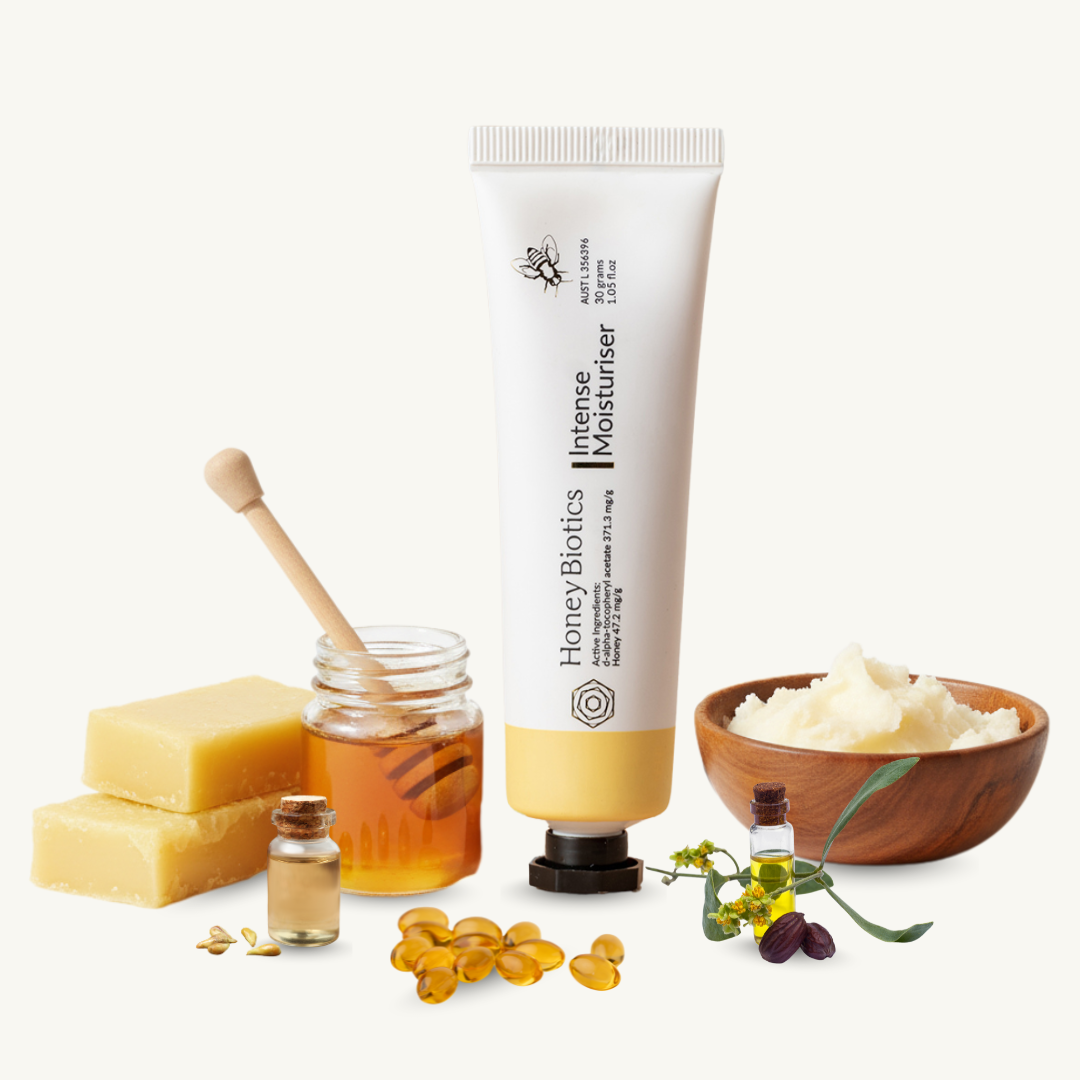
More ingredients isn't the same as more effective. Here's how our 6 actives each solve a different problem — and why that matters more than a long ingredient list.
