
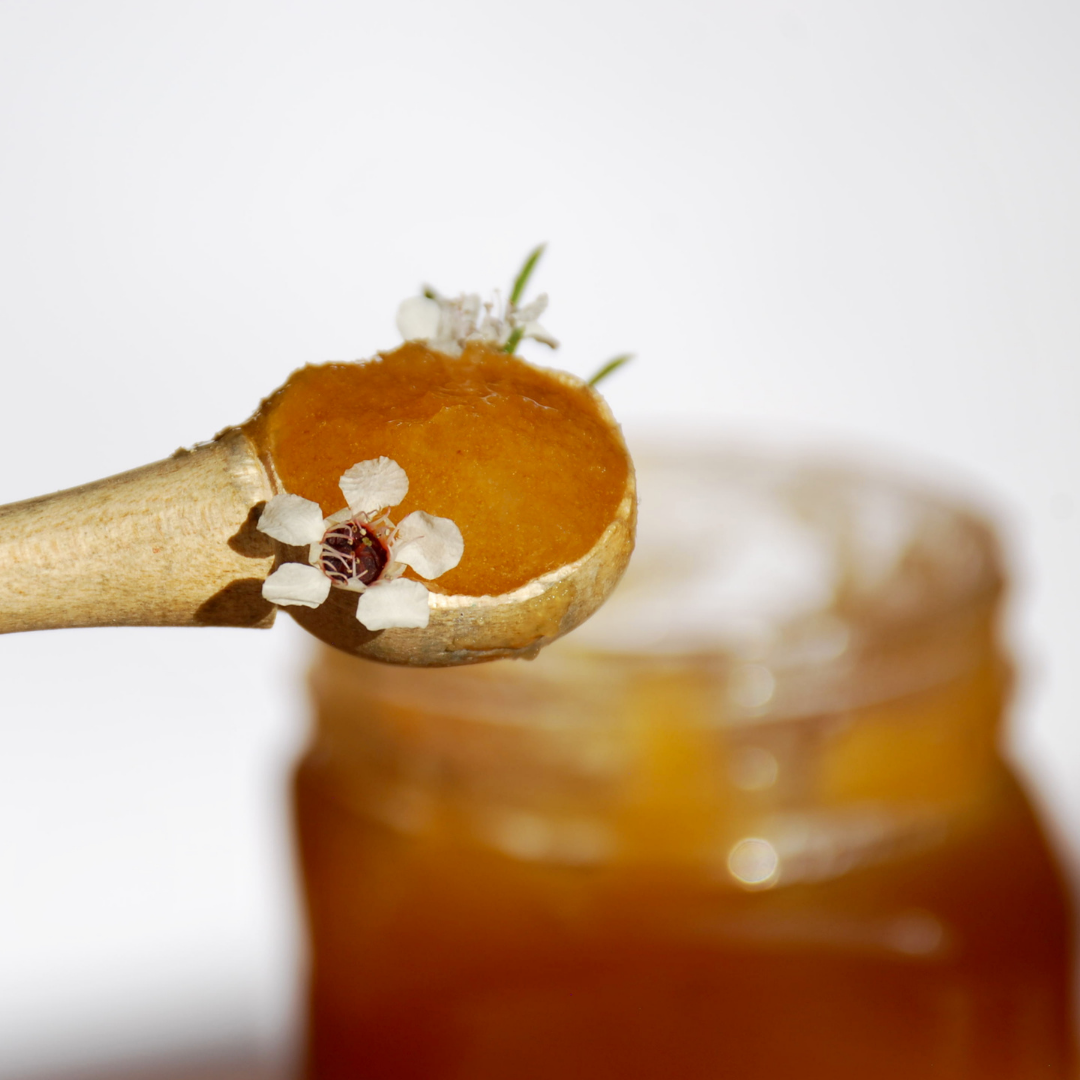
Manuka Honey Skincare Benefits: What It Does for Skin
Manuka honey is prized in skincare because it does several things at once: it deeply hydrates as a natural humectant, soothes irritation, supports the skin’s protective barrier, and has natural antibacterial and antioxidant properties. That combination is what makes it especially useful for dry, sensitive and irritation-prone skin.
What is Manuka honey?

Manuka honey comes from bees that pollinate the Manuka tree (Leptospermum scoparium), which is native to New Zealand and Australia. What sets it apart from ordinary honey is a compound called methylglyoxal (MGO), which gives it much stronger, more stable antibacterial properties. Its strength is shown as a UMF (Unique Manuka Factor) rating — the higher the number, the higher the concentration of Manuka’s active compounds.
What are the benefits of Manuka honey for skin?
Manuka honey has been used on skin for generations, and modern interest centres on a handful of properties:
- It hydrates. Manuka honey is a natural humectant, drawing moisture into the skin and helping it stay there — useful for dry, flaky or tight skin.
- It soothes. Its anti-inflammatory properties may help calm redness and irritation, which is why it suits sensitive, reactive skin.
- It supports the skin barrier. By keeping skin hydrated and comfortable, it helps the protective barrier that locks moisture in and keeps irritants out.
- It’s naturally antibacterial. The MGO in Manuka honey gives it antibacterial action, which can help protect skin that’s scratched, cracked or compromised.
- It’s rich in antioxidants. Manuka honey contains antioxidant compounds that help defend the skin against everyday environmental stress.
What skin types and concerns does it suit?
Because it’s gentle and hydrating rather than stripping, Manuka honey suits most skin types, including sensitive skin. It’s especially popular for dry and dehydrated skin, and for skin prone to conditions like eczema, dermatitis and psoriasis, where soothing and hydration matter most. People also often ask about Manuka honey for blemish-prone skin, thanks to its antibacterial action — though results vary from person to person, and it’s always best to patch test.
How do you use Manuka honey in a routine?
You can apply raw Manuka honey as a face mask — a thin layer for 15–20 minutes, then rinse — but it’s sticky and impractical for everyday use, and raw honey can lose potency once diluted. For most people, the easiest way to get the benefits daily is a skincare product formulated with Manuka, such as a cleanser or moisturiser. Whatever you choose, patch test first, and for raw honey look for a UMF rating of at least 10+.
Where Honey Biotics Intense Moisturiser fits in

If you’d like Manuka honey’s benefits without the mess of raw honey, our Intense Moisturiser is a TGA-listed medicine made in Australia with MGO 570+ Manuka honey. It’s formulated to soothe and hydrate dry, sensitive and irritated skin, and it’s steroid-free, so it’s suitable for regular, daily use. As always, patch test on a small area before using it more widely.
Frequently asked questions
What does Manuka honey do for your skin?
It hydrates as a natural humectant, soothes irritation, supports the skin barrier, and offers natural antibacterial and antioxidant benefits — making it a versatile ingredient for dry and sensitive skin.
Is Manuka honey good for sensitive skin?
Generally yes. It’s gentle and hydrating rather than stripping, which is why it suits sensitive and reactive skin. Patch test first, and avoid it if you’re allergic to honey or bee products.
What UMF should I look for in Manuka skincare?
A higher UMF rating means a higher concentration of Manuka’s active compounds. For raw honey on skin, UMF10+ is a common starting point; our Intense Moisturiser uses UMF15+ Manuka honey.
Can I use Manuka honey every day?
For most people, yes — a gentle Manuka product is suitable for daily use. Listen to your skin and ease off if you notice any irritation.
Does Manuka honey help with blemishes?
Its antibacterial properties are often cited for blemish-prone skin, but results vary and it isn’t a guaranteed fix. If breakouts are a main concern, a doctor or dermatologist can suggest the best approach for you.
This article is general information, not medical advice. Speak to your doctor about your individual situation.
Read more
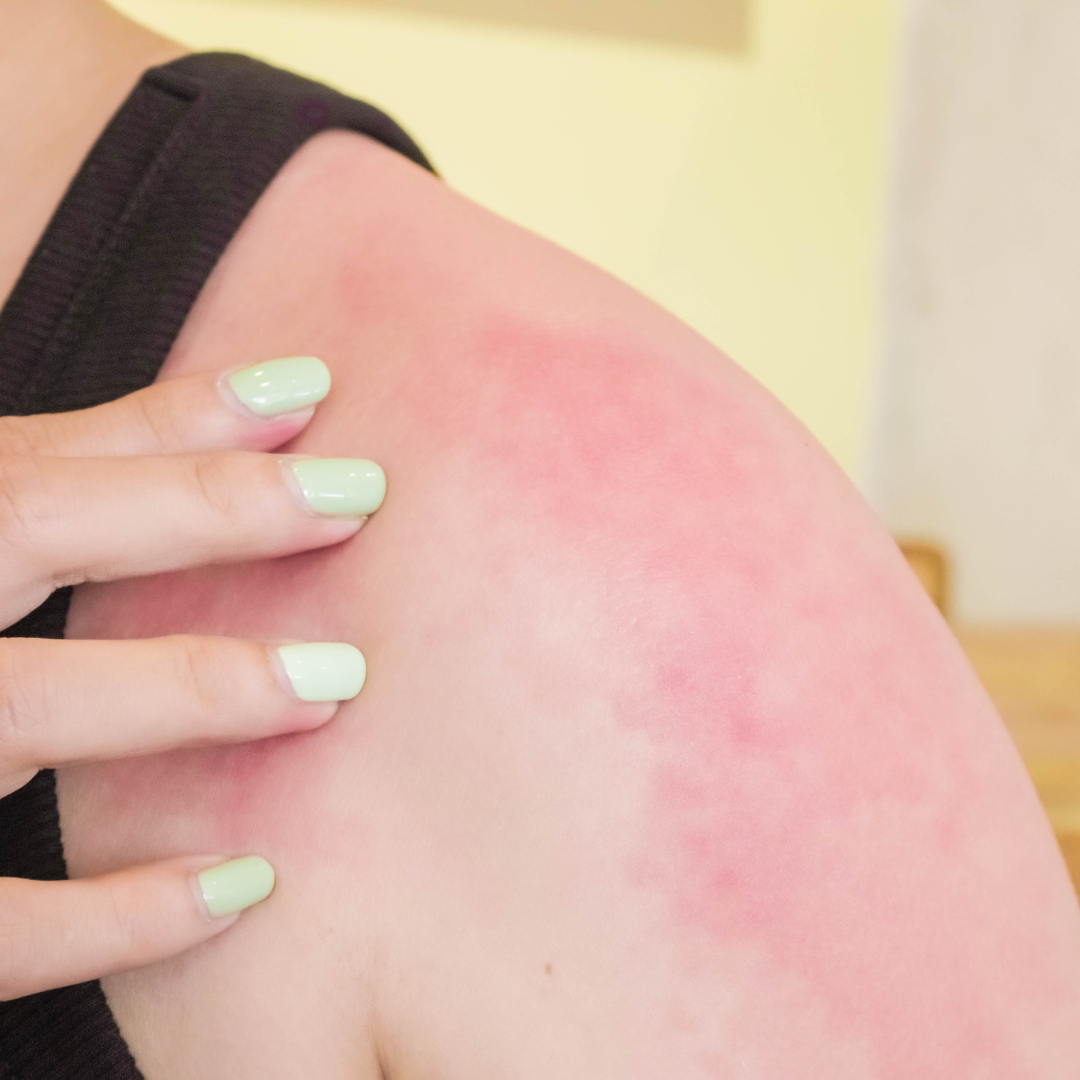
Tightness, a faint pink tone, an itch that comes and goes — these are your skin's early warnings. Here's how to catch a flare-up before it fully arrives.
A moisturiser in the wrong spot can block a serum entirely. Here's the correct order for your routine, the most common mistakes, and where it actually matters most.
