
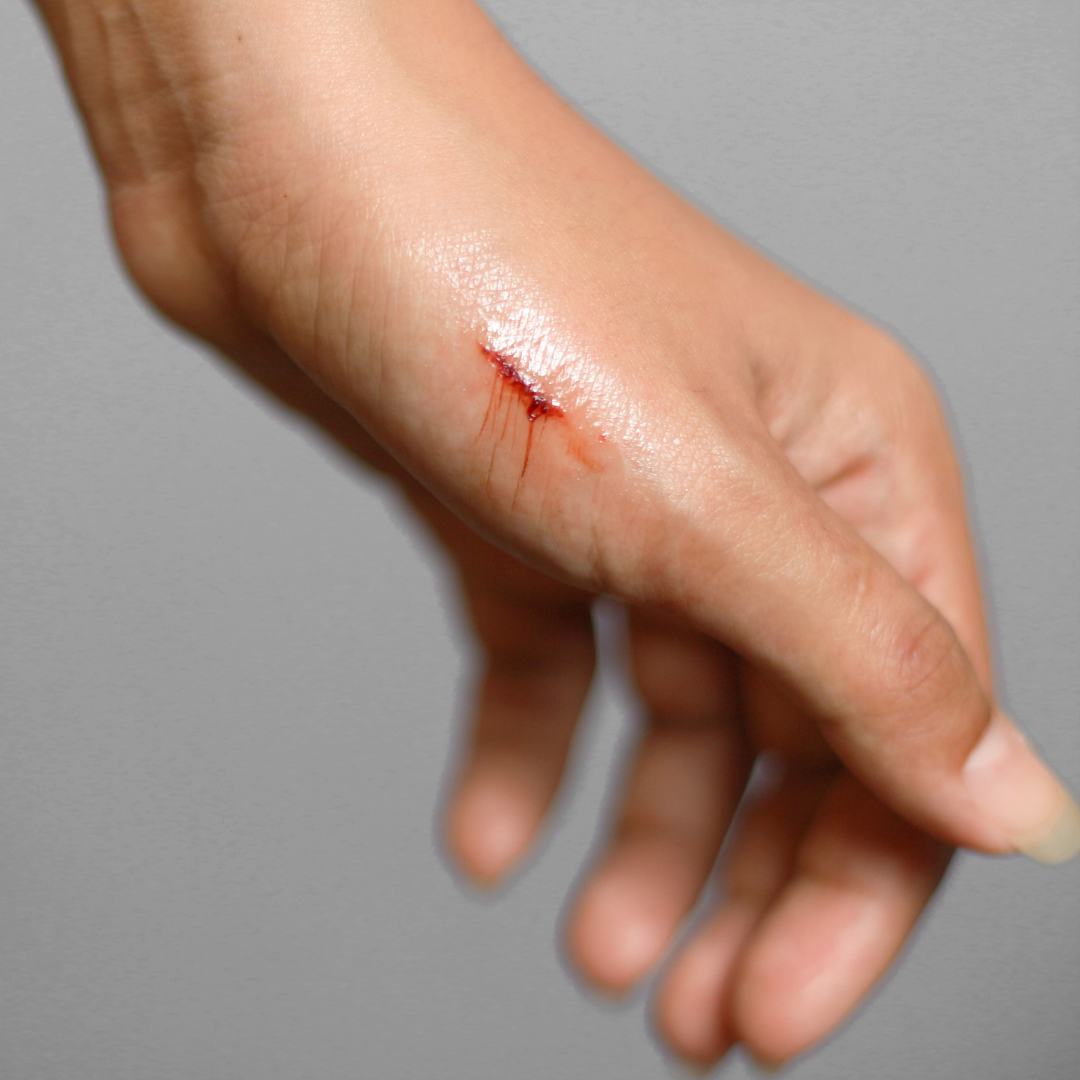
Is Manuka Honey Good for Cuts and Wounds?
Yes — Manuka honey has a long, well-evidenced history in wound care, thanks to its natural antibacterial and soothing properties. Our own Intense Moisturiser is a TGA-listed medicine made with MGO 570+ Manuka honey that can help promote the healing of minor cuts and wounds — though for anything more serious than a minor injury, it’s always important to seek proper medical care.
How does Manuka honey help wounds heal?
Manuka honey’s reputation in wound care comes from several properties working together. Research suggests it may support healing because it:
- Fights bacteria. Manuka contains methylglyoxal (MGO), which disrupts bacteria — including some antibiotic-resistant types such as MRSA.
- Has a low pH. Its naturally acidic pH (around 3.2–4.5) creates an environment that discourages microbes and supports healing.
- Keeps skin moist. As a humectant, honey helps maintain the moist environment that skin heals best in, which may also help reduce scarring.
- Calms inflammation. Its anti-inflammatory properties may help reduce swelling and discomfort around a wound.
- Supports clean healing. Honey can help keep the area clean as new, healthy skin forms.

What does the research actually say?
The evidence is genuinely encouraging in places, and more mixed in others. A major Cochrane Review found strong evidence that honey heals partial-thickness burns several days faster than conventional dressings, and there’s evidence it can help with infected surgical wounds. Trials in diabetic foot ulcers have also shown promising results.
At the same time, the same review noted that the sheer variety of wound types made it impossible to draw sweeping conclusions about honey for every wound. The honest summary: Manuka honey is a well-supported, soothing ingredient for skin and minor wounds — not a cure-all, and not a replacement for medical care when an injury is serious.
How do you care for a minor cut at home?
For small, everyday cuts and grazes, basic first aid is usually all that’s needed:
- Wash your hands before touching the wound.
- Stop the bleeding with gentle, steady pressure using a clean cloth.
- Clean the wound under cool running water to remove dirt and debris.
- Pat the area dry gently with a clean cloth.
- Apply a suitable healing product and cover with a clean dressing if needed.
- Keep an eye on it as it heals, watching for any signs of infection.
Using Honey Biotics Intense Moisturiser on minor cuts and wounds

Our Intense Moisturiser is a TGA-listed medicine made in Australia with MGO 570+ Manuka honey, and helping to promote the healing of minor cuts and wounds is one of its listed uses. For a minor cut or graze, clean the area first, then apply the cream to help support healing, covering it with a clean dressing if needed. Because it’s steroid-free, it’s also gentle enough to keep using on the surrounding skin as it recovers.
It isn’t a substitute for proper care of serious injuries. For anything deep, heavily bleeding, infected or slow to heal, see a health professional, who can advise on the right treatment — which may include a medical-grade dressing. As with any product, patch test first, and stop use if irritation occurs.
When should you see a doctor?
Seek medical care — or call emergency services for anything serious — if a wound:
- Is deep, gaping, or won’t stop bleeding, or may need stitches
- Was caused by an animal or human bite, or is a deep puncture wound
- Contains dirt or debris you can’t easily rinse away
- Shows signs of infection — spreading redness, warmth, swelling, pus, or fever
- Isn’t healing, or you have diabetes or poor circulation
- Has left you unsure whether your tetanus vaccination is up to date
Frequently asked questions
Can I use Intense Moisturiser on a minor cut or graze?
Yes. It’s a TGA-listed medicine that can help promote the healing of minor cuts and wounds. Clean the area first, apply the cream, and see a doctor for anything deep, infected or slow to heal.
How does Manuka honey help wounds?
It has natural antibacterial properties from MGO, a low pH and a humectant action that keeps skin moist as it heals — all of which can support cleaner healing and may help reduce scarring.
Is Manuka honey safe to use on wounds?
For minor cuts and grazes, a suitable Manuka honey product can help support healing. Serious, deep or infected wounds should always be assessed by a health professional, who may use a sterile, medical-grade dressing.
Does Manuka honey reduce scarring?
It may help, by keeping the area moist and supporting the growth of healthy skin. For significant wounds, follow your doctor’s advice on the best approach for you.
When should a cut be seen by a doctor?
See a doctor if a cut is deep, won’t stop bleeding, came from a bite, shows signs of infection, isn’t healing, or if your tetanus cover may be out of date.
This article is general information, not medical advice. Cuts, wounds and burns can be serious — always follow proper first-aid guidance, and see a doctor or call emergency services for anything beyond a minor injury.
Read more
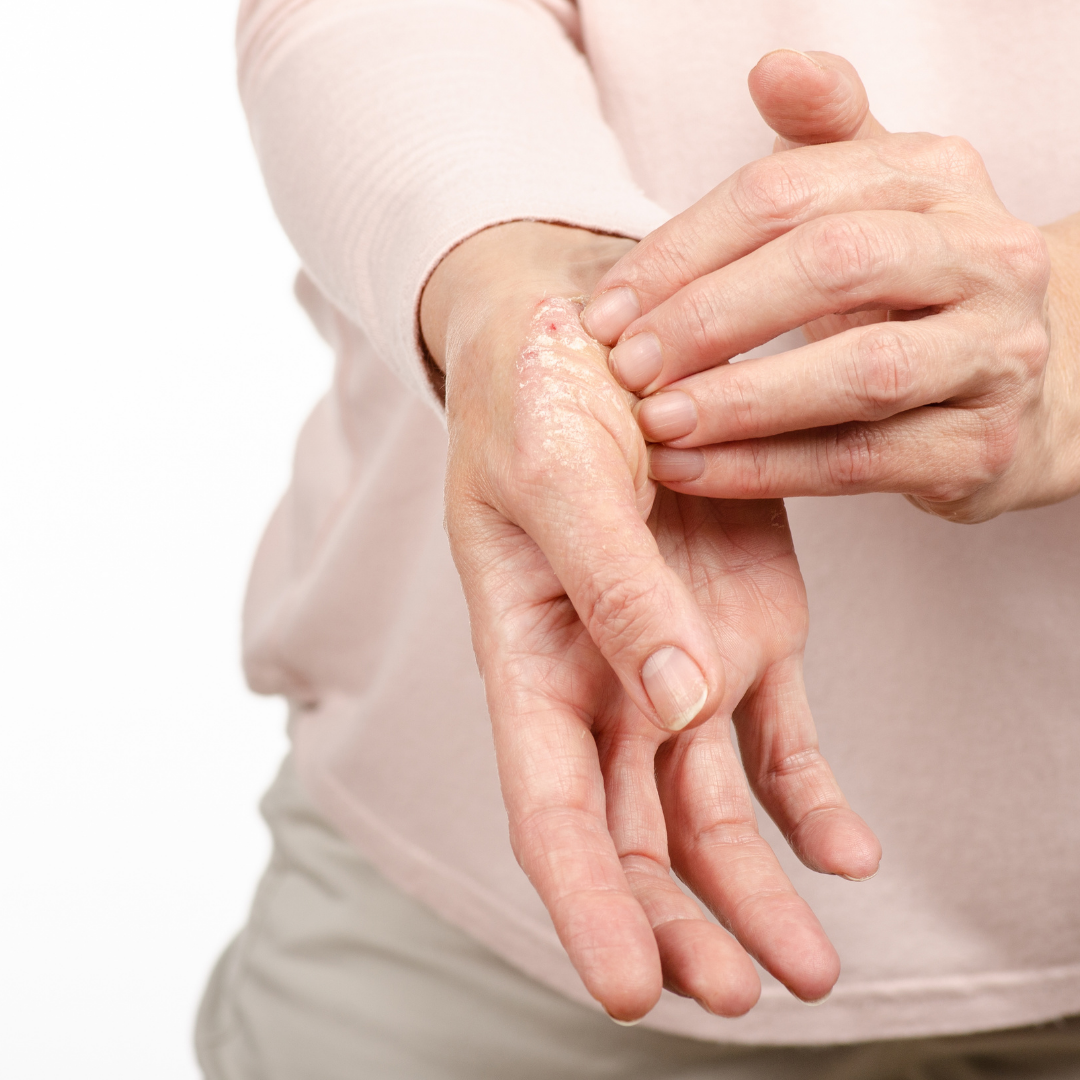
Manuka honey is one of the most talked-about natural remedies for psoriasis — but does it actually work? Here's an honest look at what Manuka can and can't do for psoriasis-prone skin, what the res...
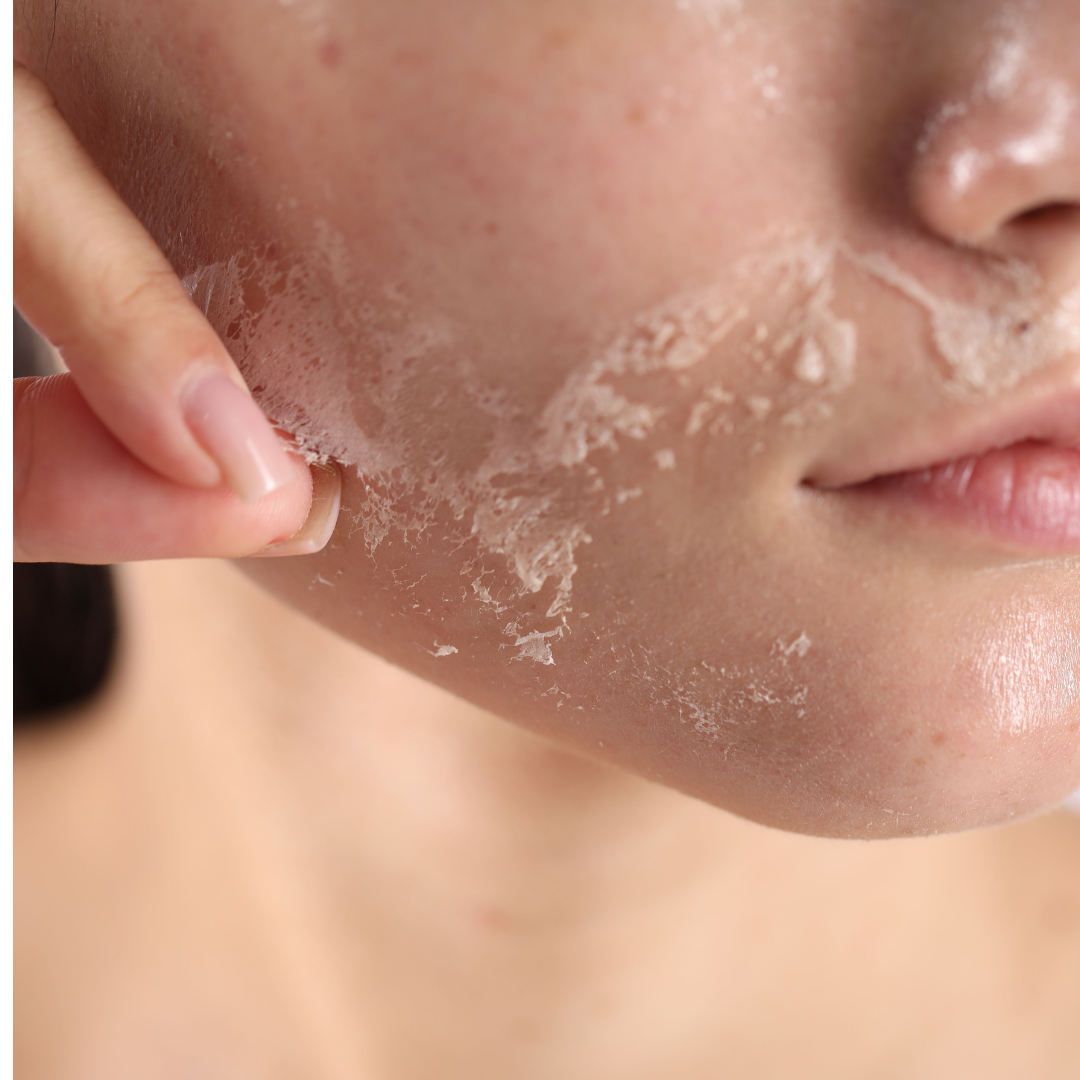
Skin feeling dry no matter what you do? The cause could be anything from your natural skin type to hot showers, the weather, or simple dehydration. Here's how to work out why your skin is dry — and...
