
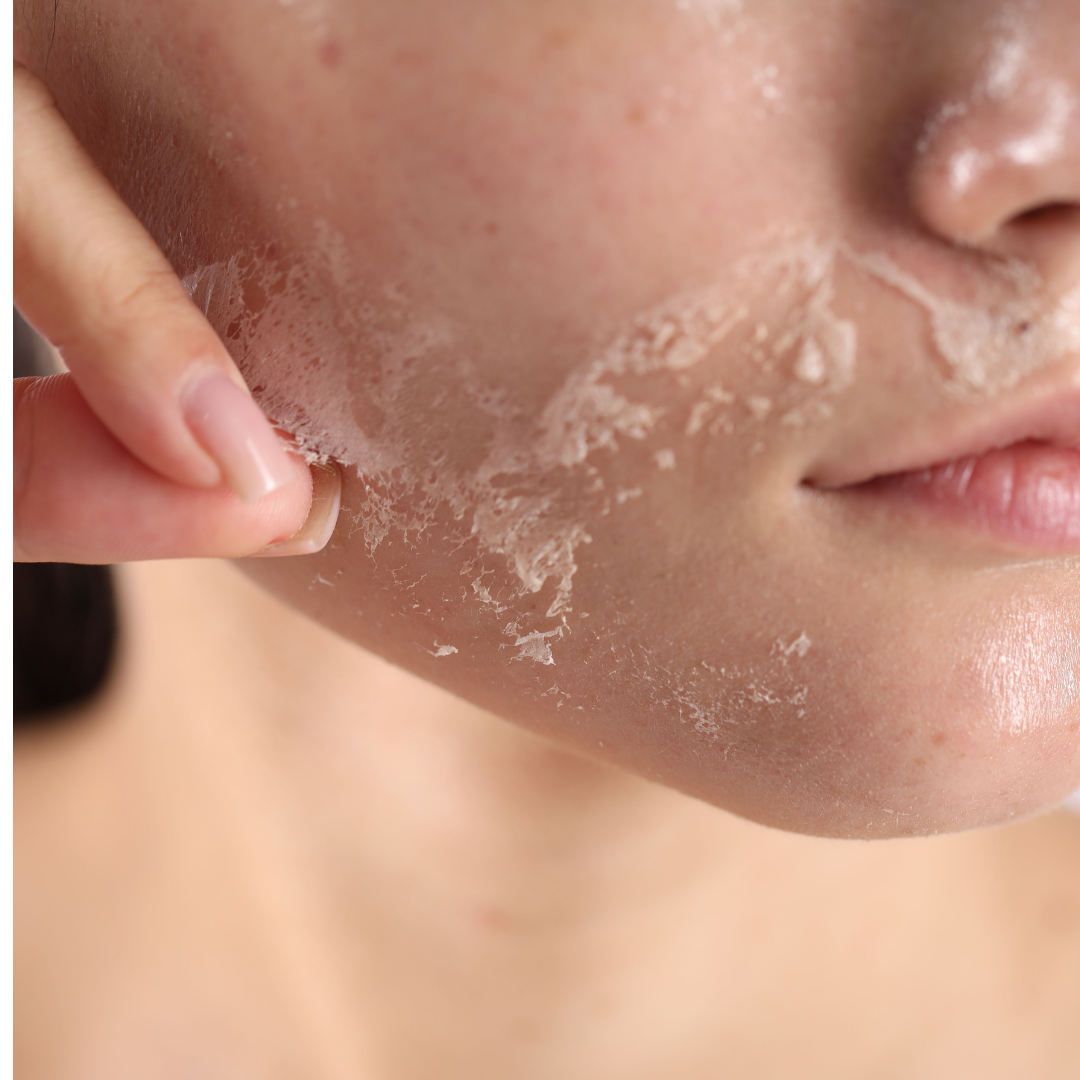
Why Is My Skin So Dry? Causes and How to Fix It
Skin usually gets dry for one of a few reasons: your skin naturally produces less oil (a dry skin type), it has lost too much water (dehydrated skin), or everyday things like hot showers, harsh soaps, cold weather, ageing or an underlying skin condition are drying it out. Working out which of these applies to you is the key to fixing it — and for most people, a gentle routine and a rich moisturiser make a real difference.
Dry skin vs dehydrated skin: what’s the difference?
These two get mixed up constantly, but they’re not the same thing — and they need slightly different care.
Dry skin is a skin type. It means your skin naturally produces less oil (sebum), it’s often something you’re born with, and it tends to feel dry all over — face, arms, legs, hands — year-round.
Dehydrated skin is a temporary condition. It means your skin is short on water rather than oil, and it can affect anyone, including people with oily skin. In fact, dehydrated skin can feel oily and tight at the same time, because the skin produces extra oil to compensate for the missing water.

How can you tell which one you have?
A quick at-home check is the “pinch test”. Gently pinch a small area of skin on your cheek or the back of your hand and let go. If it bounces straight back but still feels flaky or rough, your skin is more likely dry. If it’s slow to bounce back and looks a little dull or creased, your skin may be dehydrated. It’s also completely possible to be both at once — and if you’re ever unsure, a doctor or dermatologist can help you tell.
What causes dry skin?
If your skin feels persistently dry, one or more of these is usually behind it:
- Your genes and skin type. Some people simply produce less oil and are prone to dryness for life.
- Age. Skin produces less oil as we get older, so dryness often becomes more noticeable with time.
- Cold, dry or windy weather. Low humidity outdoors — and indoor heating or air conditioning — pulls moisture from the skin.
- Hot showers and over-washing. Long, hot showers strip away the natural oils that keep skin soft.
- Harsh soaps and cleansers. Strong, high-fragrance or high-alcohol products disrupt the skin’s natural balance.
- Over-exfoliating or using too many actives. Piling on strong ingredients can wear the skin down.
- Lifestyle factors. Not drinking enough water, alcohol, stress and poor sleep can all play a part.
- Some medications and health conditions. Certain treatments and conditions can leave skin drier than usual.
- Underlying skin conditions. Persistent dryness can be a feature of eczema, dermatitis or psoriasis.
What helps dry skin?
The good news is that everyday dryness usually responds well to a few simple, consistent habits:
- Moisturise often — especially after washing. Apply a rich moisturiser within a few minutes of bathing, while skin is still slightly damp, to help seal in moisture.
- Switch to gentle cleansing and lukewarm water. Keep showers shorter and cooler, and pat (don’t rub) your skin dry.
- Ease off the actives. Give strong exfoliants and acids a rest while your skin recovers.
- Add moisture to the air. A humidifier helps in cold weather or air-conditioned rooms.
- Support your skin from within. Drink water through the day — it won’t fix dry skin on its own, but it helps overall hydration.
If your skin feels tight, stingy and reactive on top of being dry, the issue may be a weakened skin barrier. In that case, it’s worth reading our guide on how to repair your skin barrier, which walks through the repair routine step by step.
Where Honey Biotics Intense Moisturiser fits in

Whatever’s behind your dry skin, a rich, gentle moisturiser is one of the most reliable ways to bring it relief. Our Intense Moisturiser is a steroid-free cream made in Australia with MGO 570+ Manuka honey — a natural humectant that helps the skin draw in and hold onto moisture. It’s TGA-listed for eczema and dermatitis, so it’s formulated to be gentle on sensitive, dry and reactive skin.
Because it’s steroid-free, it’s suitable for daily use, morning and night. As with any new product, patch test on a small area first, and stop use if irritation occurs.
When should you see a doctor?
Most dry skin improves with gentle care, but see your GP, pharmacist or a dermatologist if your skin is severely dry, cracked or painful, isn’t improving after a few weeks, shows signs of infection, or if you suspect an underlying condition such as eczema, dermatitis or psoriasis. Persistent dryness can sometimes be a signal worth investigating.
Frequently asked questions
Is my skin dry or dehydrated?
Dry skin lacks oil and is a skin type you’re generally born with; dehydrated skin lacks water and is a temporary condition that can affect anyone, even oily skin. The pinch test can give you a quick clue, but a professional can confirm it.
Why is my skin suddenly so dry?
A sudden change usually points to a trigger — colder weather, indoor heating, a new product, or hotter, longer showers. Identifying and correcting that trigger is often enough to settle it.
Does drinking water help dry skin?
Staying hydrated supports your skin and helps with dehydrated skin, but only a small amount of what you drink reaches the skin’s surface. For a dry skin type, topical moisturising matters most.
Can dry skin be a sign of something more serious?
Sometimes. Persistent dryness can be a feature of conditions like eczema, dermatitis or psoriasis, so it’s worth seeing a doctor if it won’t settle or comes with significant redness, itching or cracking.
What’s the best way to fix dry skin?
Keep your routine gentle, use lukewarm water, and apply a rich moisturiser regularly — ideally onto slightly damp skin. If your skin also feels reactive and tight, focus on supporting your skin barrier.
This article is general information, not medical advice. If your skin is very dry, cracked or not improving, speak to your doctor or pharmacist about your individual situation.
Read more
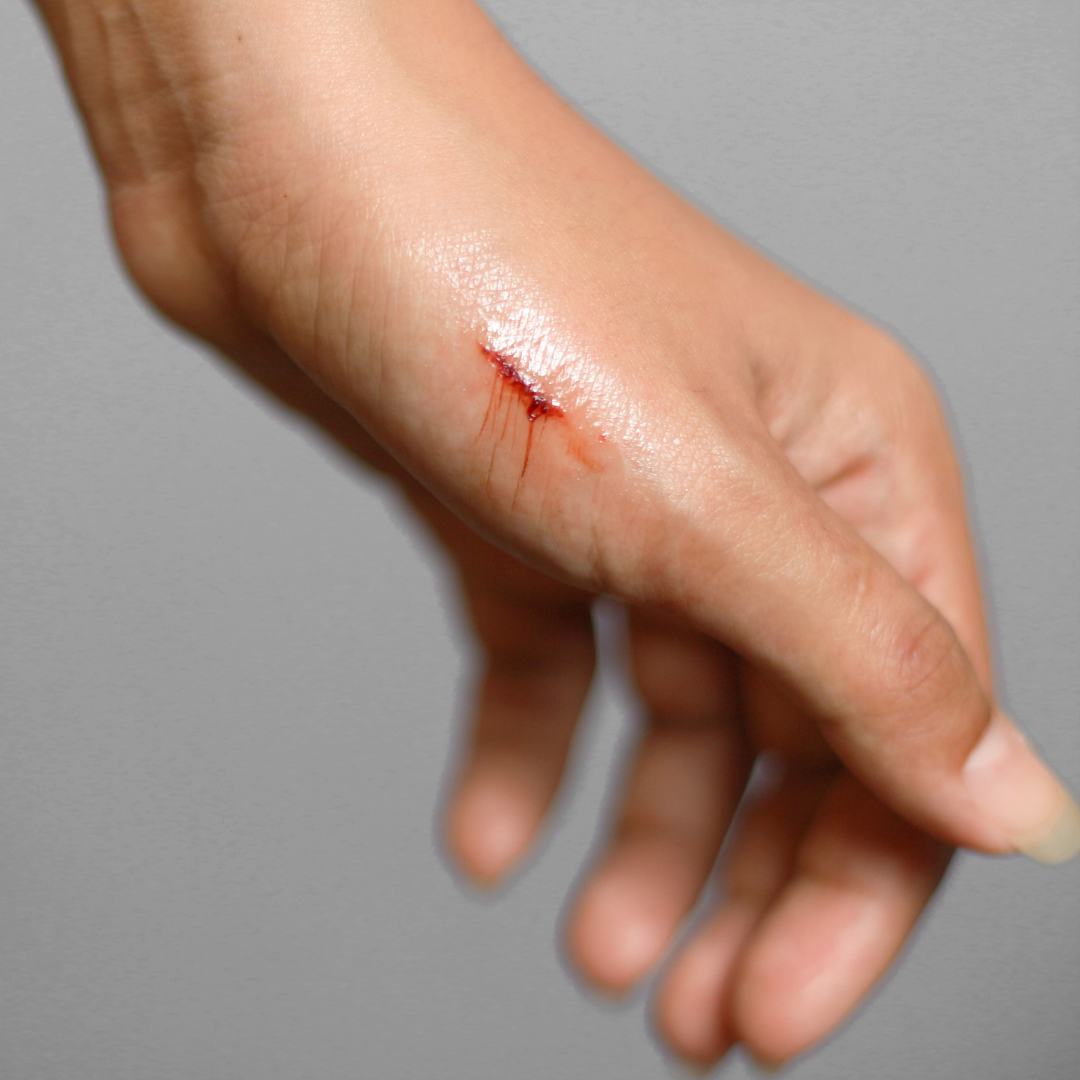
Manuka honey has a long history in wound care — but does it actually work? Here's what the evidence says, how Manuka helps minor cuts heal, and how to care for a wound safely at home.
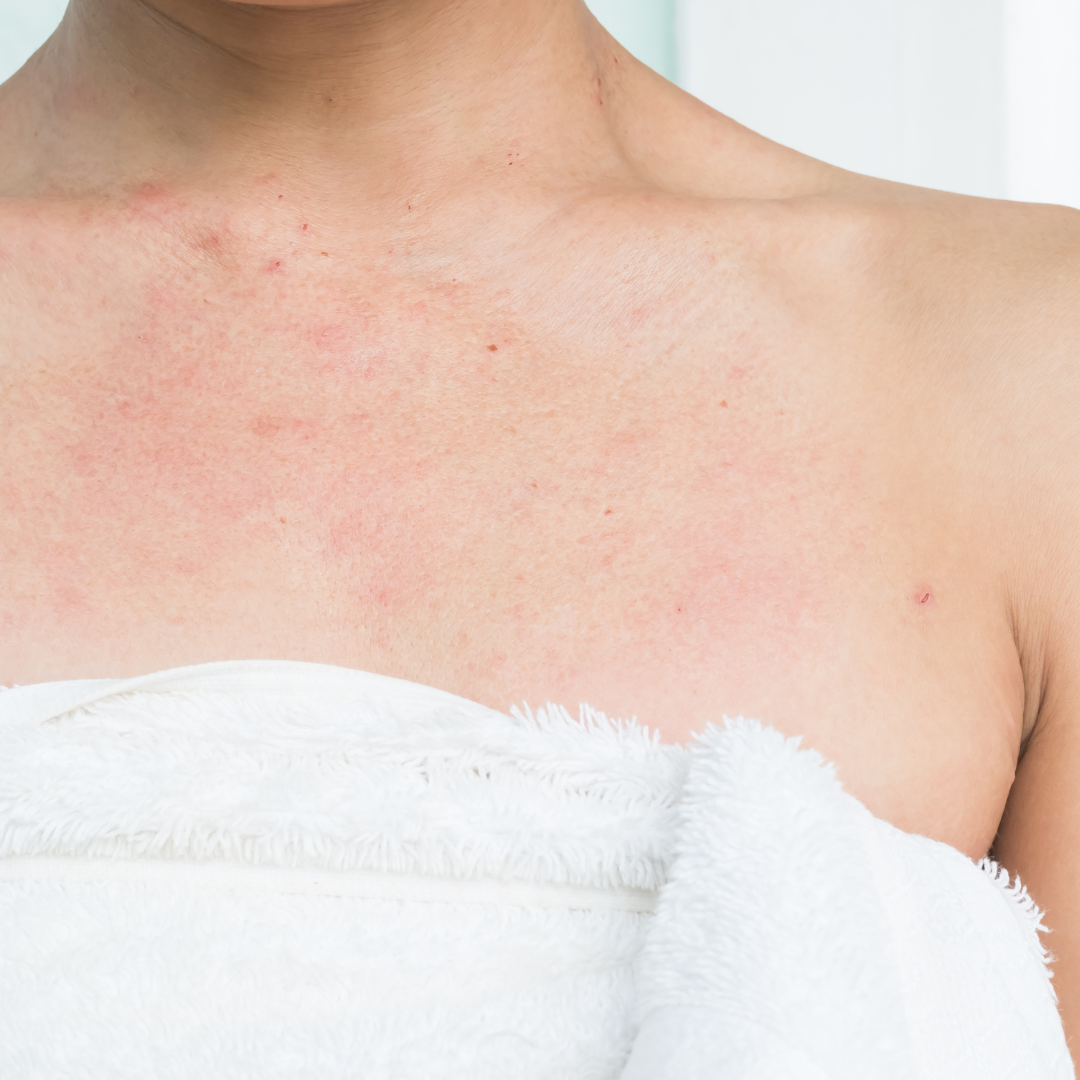
If your eczema always seems to flare up at night, you're not imagining it. Here's what's really happening to your skin after dark — from dropping cortisol to overnight moisture loss — and the simpl...
