
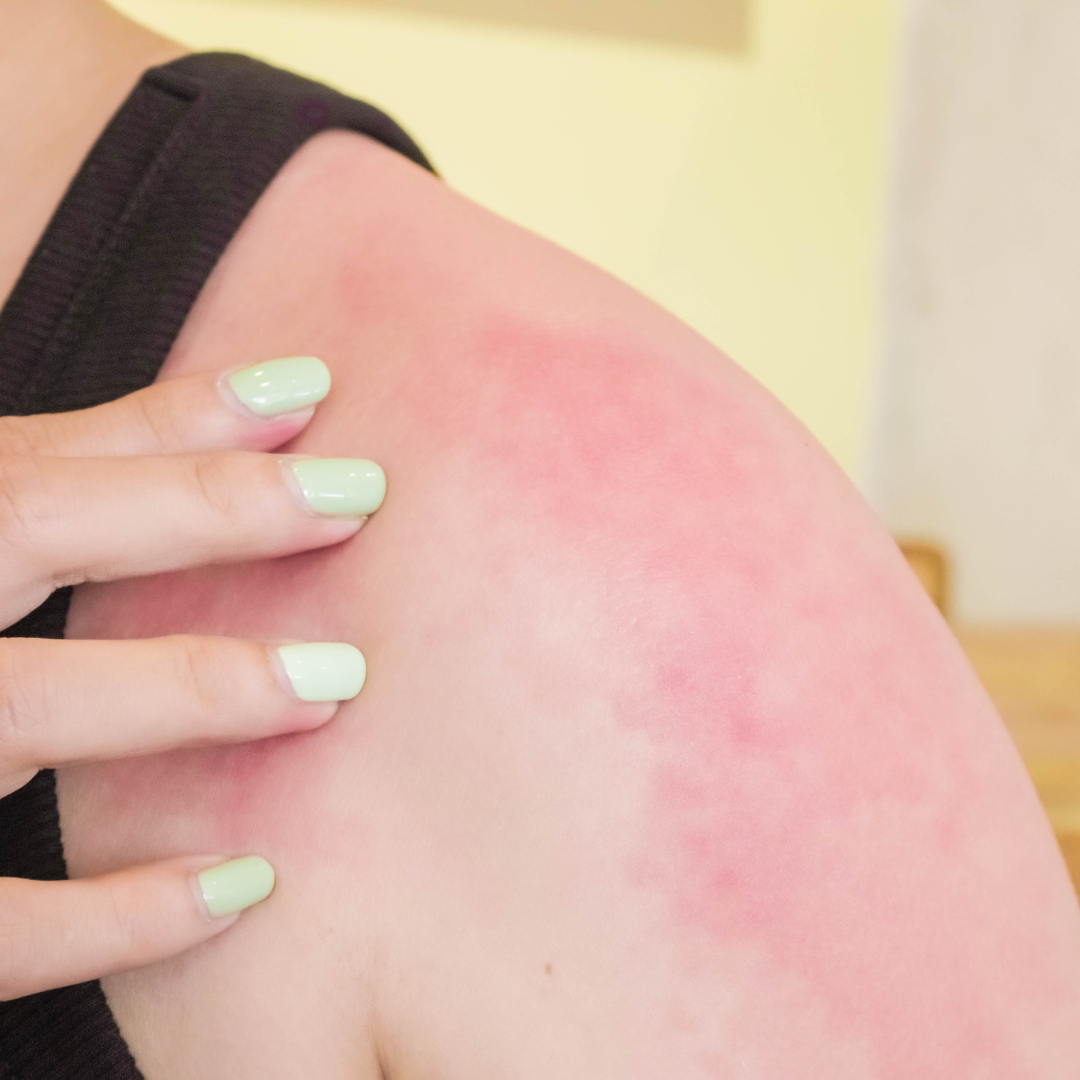
Signs a Flare-Up Is Coming Before It Happens
By the time a flare-up is in full swing — red, itchy, uncomfortable — it can feel like it came out of nowhere. But for most people, it doesn't. Flare-ups usually announce themselves quietly first, hours or even days before the obvious symptoms show up. Learning to spot those early signals gives you a chance to respond before things escalate, rather than after.
Why Flare-Ups Rarely Come Out of Nowhere
Skin conditions like eczema and dermatitis tend to build gradually. Your skin's barrier weakens a little at a time — from stress, weather, a product, or simply an off week — before it crosses the threshold into a full reaction. The early stage is often so subtle that it's easy to miss, especially if you're used to only noticing your skin once it's already uncomfortable.
The upside is that this gradual build-up gives you a window. If you know what to look for, you can often catch a flare-up early enough to soften it considerably, or sometimes stop it before it fully develops.
The Early Warning Signs

These are the subtle signals that tend to show up before a flare-up becomes obvious:
- A slight tautness or tightness in the skin, even without visible dryness
- A faint pink or flushed tone in areas that are usually prone to flare-ups
- Skin that feels a little rougher or bumpier to the touch than usual
- Increased sensitivity — products that normally feel fine start to sting slightly
- A mild, intermittent itch that comes and goes rather than staying constant
- Areas that feel unusually warm, even without obvious redness yet
Common Triggers That Tend to Precede a Flare-Up
Flare-ups rarely happen in isolation — they're usually connected to something that shifted in the days before. Common triggers include:
- Increased stress or a particularly demanding period
- Sudden changes in weather or temperature, especially moving between hot and cold
- A run of poor or disrupted sleep
- A new product, fabric, or detergent introduced recently
- Hormonal shifts tied to a monthly cycle
Paying attention to what's been going on in the day or two before a flare-up can help you start to notice your own personal pattern — which is often more useful than any general list, since triggers vary a lot from person to person.
What to Do When You Notice the Early Signs
The instinct, once you notice something feels slightly off, is often to wait and see. But this is exactly the window where a gentle response tends to make the biggest difference. A few things help:
- Simplify your routine — this isn't the moment to introduce a new active or try something untested
- Avoid hot showers or harsh cleansers, which can further compromise an already-weakening barrier
- Reach for a gentle, barrier-supporting moisturiser rather than waiting until symptoms are obvious
This is where the Honey Biotics Intense Moisturiser tends to be most useful — not just as a response to an active flare-up, but as an early intervention. It's a steroid-free, TGA-listed formula built around MGO 570+ Manuka honey, which works as a natural humectant to help skin hold onto moisture and calm irritation before it builds into something more noticeable. Applying it at the first subtle signs, rather than waiting for redness or discomfort, is often enough to soften what would otherwise become a full flare-up.
Why Catching It Early Matters
Once a flare-up is fully underway, it typically takes longer to calm down and can be more uncomfortable to manage. Catching the early signs — the subtle tightness, the faint warmth, the itch that comes and goes — gives you the chance to respond while your skin still has room to recover quickly.
It also means paying a little more attention to your skin day to day, rather than only checking in once something feels wrong. Over time, most people start to recognise their own early patterns, which makes this kind of prevention much easier.
Getting to Know Your Own Patterns
No two people's flare-ups look exactly the same, and the early signs can be different for everyone. The best way to learn yours is simply to pay a little closer attention — noticing what your skin feels like on an ordinary day, so the subtle shifts stand out sooner when they happen.
A flare-up doesn't have to be something that happens to you. With a bit of attention and the right gentle care ready to go, it can be something you catch early, and calm down before it really gets started.
Frequently Asked Questions
How do I know if it's an early flare-up sign or just normal skin?
The clearest tell is subtlety paired with a shift from your usual baseline — a bit of tautness, warmth, or a faint itch that wasn't there yesterday. If it's new, mild, and slightly different from how your skin normally feels, it's worth treating as an early sign rather than dismissing it.
Can I stop a flare-up completely if I catch it early?
Not always, but catching it early usually means a milder, shorter flare-up if one does develop. Gentle care at the first signs — simplifying your routine and supporting the barrier — gives your skin the best chance of settling before symptoms become obvious.
What's the first thing I should do when I notice early signs?
Start by removing anything that might be adding stress to your skin — hold off on new products or actives, switch to lukewarm rather than hot water, and apply a gentle, barrier-supporting moisturiser. Simplicity is more useful here than adding something new.
Do flare-up triggers stay the same over time?
Not necessarily. Triggers can shift as your skin, environment, and stress levels change. It's worth periodically reassessing what seems to set off a flare-up, rather than assuming your triggers from a few years ago still apply exactly the same way today.
Should I still see a doctor if I catch flare-ups early?
If early intervention consistently keeps things mild, that's a good sign your current approach is working. But if flare-ups are frequent, severe, or you're unsure what's causing them, it's still worth talking to a doctor or dermatologist — catching things early is helpful, but it isn't a substitute for a proper diagnosis.
This article is general information, not medical advice. Speak to your doctor about your individual situation.
Read more
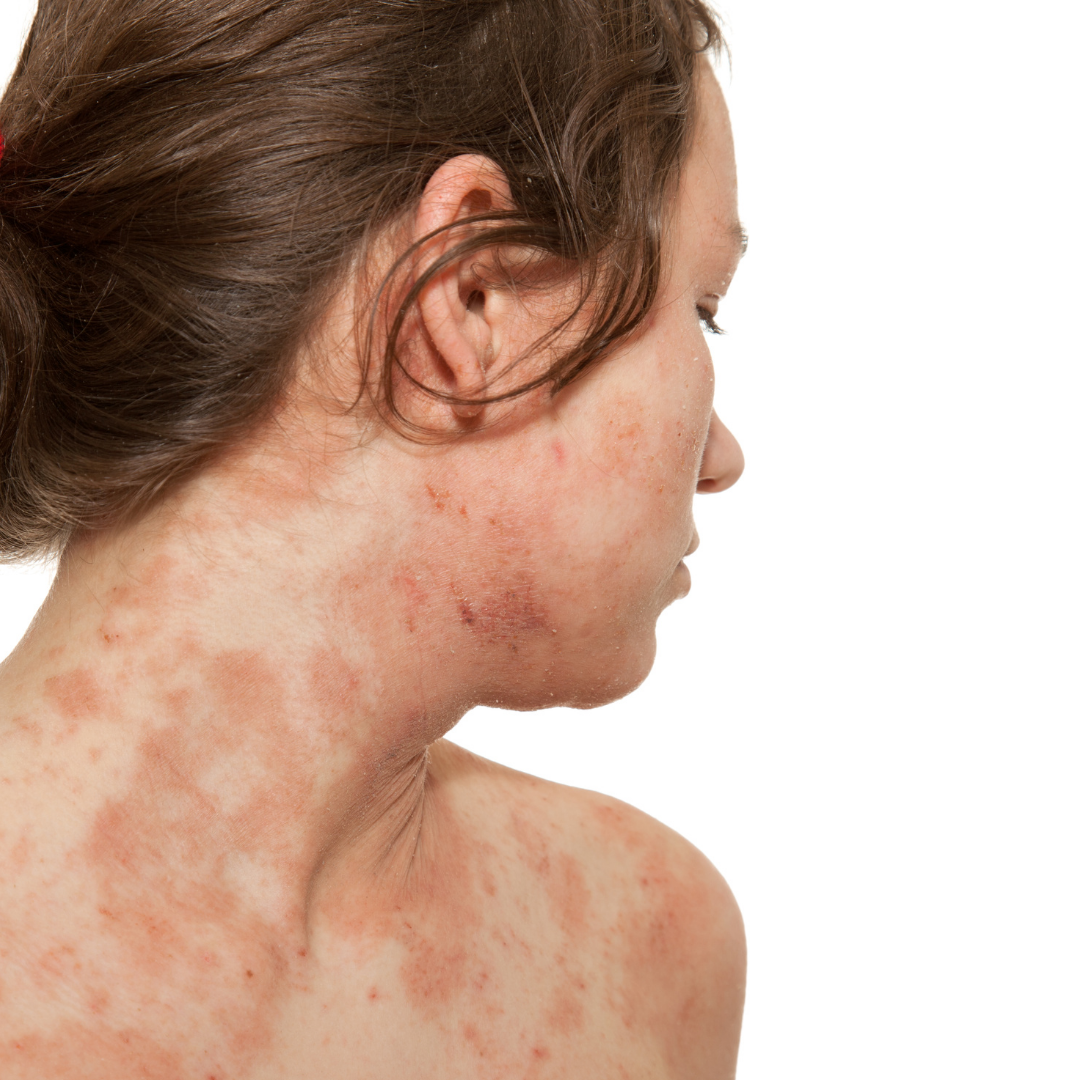
That sudden itchy, red rash after touching something? It could be contact dermatitis — one of the most common skin reactions there is. Here's what triggers it, how to tell irritant from allergic, a...

Manuka honey turns up in everything from masks to moisturisers — but what does it actually do for your skin? Here's a clear rundown of its real benefits, who it suits, and how to use it.
