Sunburn Skin Repair: Why Aloe Alone Isn’t Enough
With spring sun back in full force, it's the time of year sunburn starts catching people out — a longer walk than planned, a day at the beach without reapplying, a forgotten patch on the shoulders. The instinct is almost universal: reach for the aloe vera gel. It's cooling, it's soothing, and it genuinely does help in the moment. But sunburn is doing more damage than aloe alone can fix, and knowing the difference matters for how well — and how fast — your skin actually recovers.
What sunburn actually is
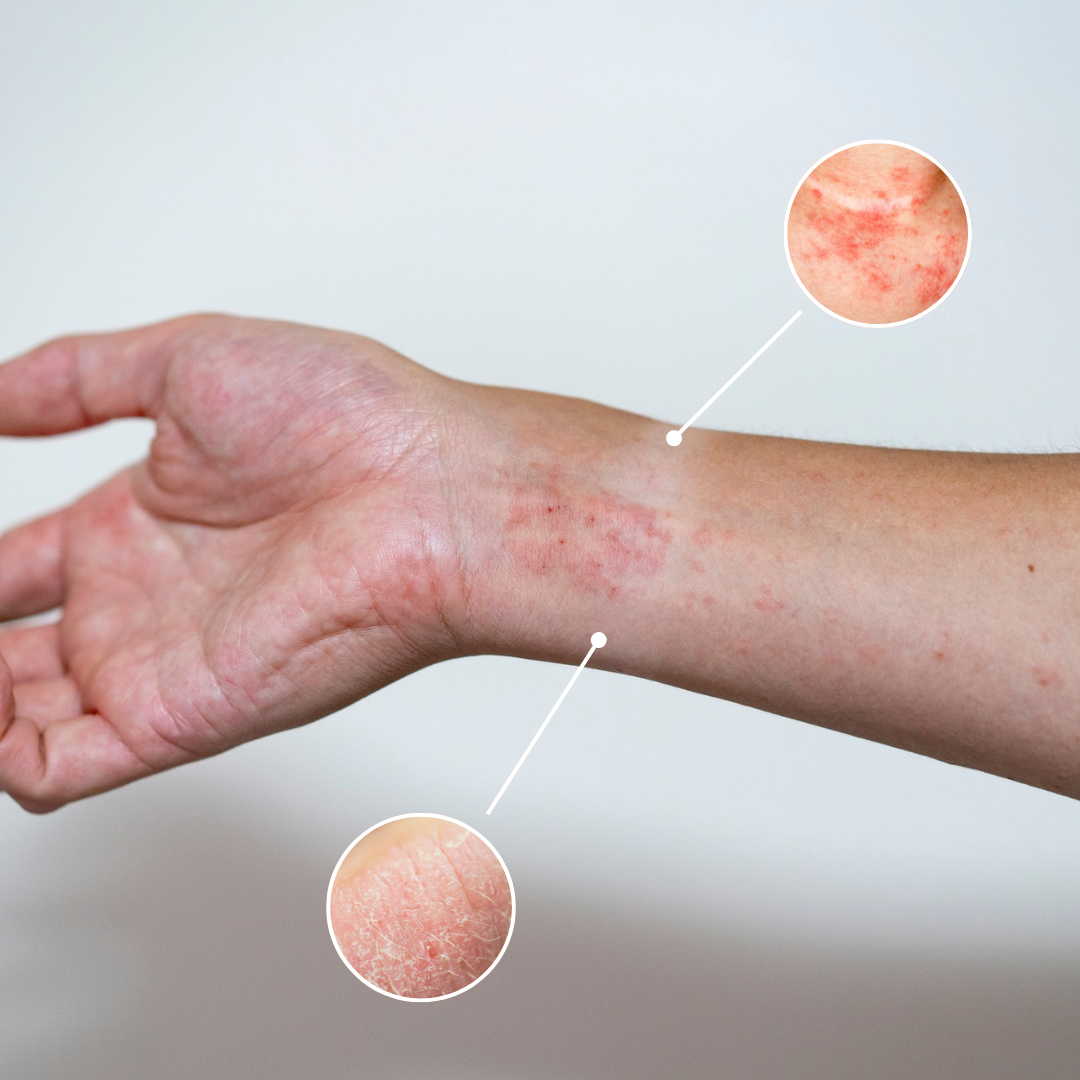
Sunburn isn't just pink, sore skin. It's a genuine burn injury, caused by UV radiation damaging the DNA in your skin cells. Your body responds the way it does to any burn: inflammation, increased blood flow (the redness), and in more severe cases, swelling and blistering as the damaged top layers of skin prepare to shed.
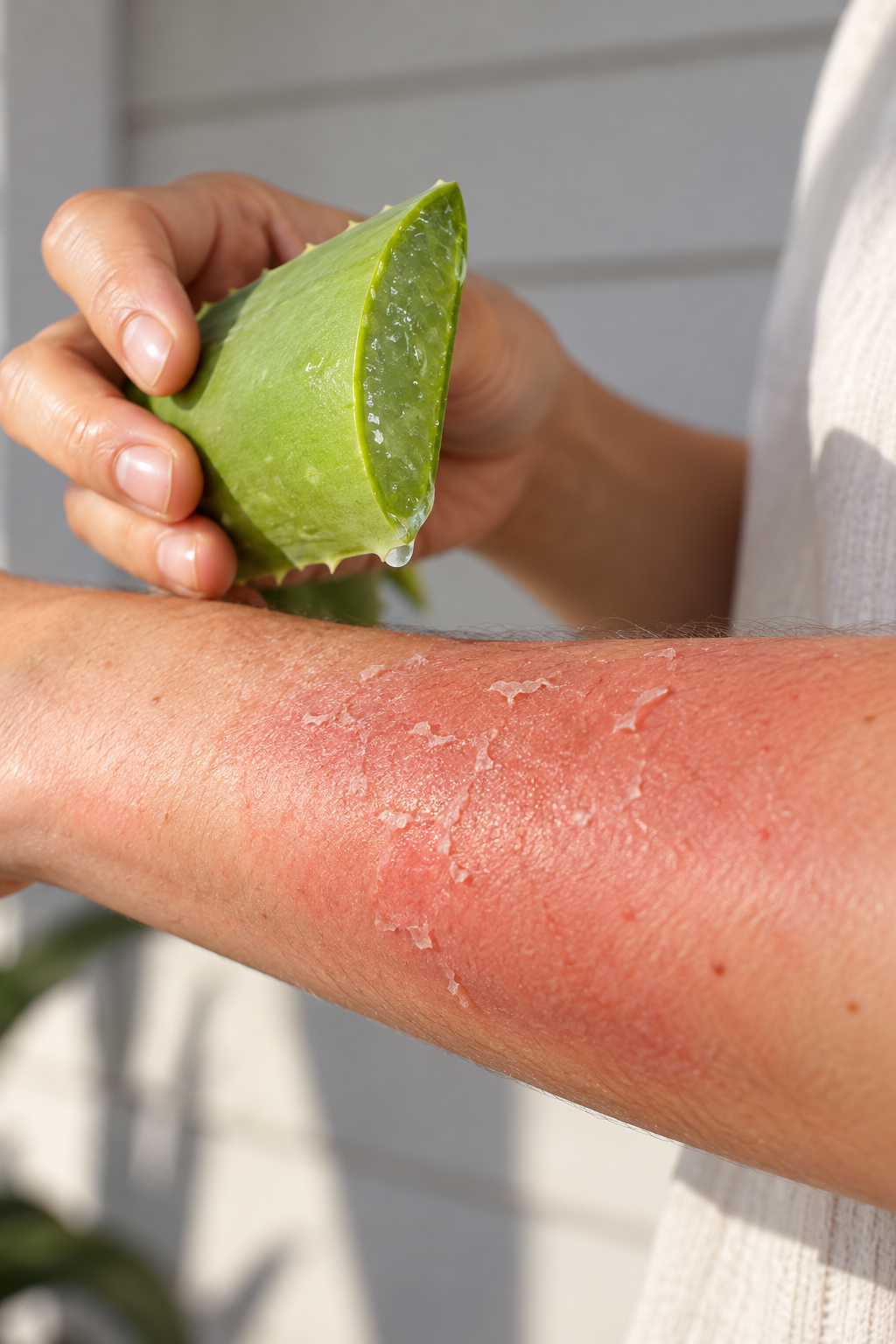
That shedding — the peeling that shows up three to seven days later — is your skin getting rid of UV-damaged cells it can't repair. It's a sign the burn went deep enough to reach cells beyond saving, not just a cosmetic nuisance.
Why aloe alone doesn't finish the job
Aloe vera gel earns its reputation for good reason: it's cooling, lightly hydrating, and has mild anti-inflammatory properties that take the edge off the initial sting. That's real, useful relief.
Where it falls short is everything that happens after the first few hours:
- It evaporates quickly. Most aloe gels are mostly water. The cooling sensation fades fast, and so does the hydration, often needing reapplication every hour or two to keep working.
- It doesn't rebuild the barrier. Sunburn breaks down your skin's outer barrier, the layer that keeps moisture in and irritants out. Aloe soothes the surface but doesn't supply the fats and emollients your skin needs to rebuild that barrier.
- It offers little once peeling starts. As damaged skin begins to shed, what helps most is sustained moisture and barrier support over several days — not a single cooling application.
Aloe is a good first response. It's not a full recovery plan.
What actually helps sunburnt skin repair
Real sunburn recovery is less about any one miracle ingredient and more about consistently supporting your skin through several stages:
- Cool it down first. A cool (not icy) shower or compress in the first few hours reduces heat and inflammation. Avoid ice directly on the skin — it can damage already-compromised tissue further.
- Rehydrate from the inside too. Sunburn pulls fluid to the skin's surface and away from the rest of the body. Drinking extra water supports overall healing.
- Moisturise generously and often, for days, not hours. This is the stage aloe alone can't cover. A barrier-supporting moisturiser with emollients and humectants helps rebuild what the burn damaged, reduces the itch and tightness that comes with peeling, and can make the peeling process noticeably more comfortable.
- Leave peeling skin alone. Picking or scrubbing at peeling skin can tear healthy tissue underneath and increase the risk of scarring or infection. Let it shed naturally while keeping it moisturised.
- Protect it while it heals. Freshly burnt and peeling skin is more vulnerable to further UV damage. Cover up or stay in the shade until it's fully recovered — a second burn on top of a healing one is significantly worse.
Where Honey Biotics Intense Moisturiser fits in
Once the first-aid stage has passed, the days-long job of rebuilding the skin barrier is where a proper moisturiser matters most. Intense Moisturiser is a TGA-listed medicine made in Australia with MGO 570+ Manuka honey, natural Vitamin E, jojoba oil, beeswax, shea nut butter and grapefruit seed extract, formulated to soothe and deeply hydrate skin affected by sunburn, along with other dry, sensitive and irritated skin conditions. It's steroid-free and gentle enough for repeated daily use while skin recovers. Avoid applying to open blisters, and patch test first if your skin is especially sensitive.
When should you see a doctor?
Most sunburn can be managed at home, but seek medical attention if you notice large or widespread blistering, signs of heat exhaustion or heatstroke (dizziness, nausea, confusion, rapid heartbeat), fever, or if the burn covers a large area of the body — especially in young children. These can indicate a more severe burn that needs professional care.
Frequently asked questions
Is it normal for sunburnt skin to peel?
Yes. Peeling typically starts three to seven days after the burn and is your body shedding UV-damaged cells it can't repair. It's uncomfortable but normal — the main thing is to keep the skin moisturised and avoid picking at it.
Can I put moisturiser on sunburn straight away?
Yes, once the skin has cooled down from the initial burn (usually after a cool shower or compress), a gentle, fragrance-conscious moisturiser can be applied to help with hydration and comfort. Avoid anything on open blisters.
Why does sunburn make skin feel so tight and itchy?
As the burn damages the skin barrier, moisture escapes more easily, leaving skin dehydrated, tight and prone to itching, particularly as it begins to peel. Consistent moisturising is the main way to ease this.
Does a tan protect against future sunburn?
Not meaningfully. A tan is itself a sign of UV damage to the skin, and it offers only minimal, unreliable protection against further burning. Sunscreen and sun-safe habits are what actually prevent sunburn.
This article is general information, not medical advice. If you have concerns about a sunburn, especially a severe one, speak to your doctor or a pharmacist.