
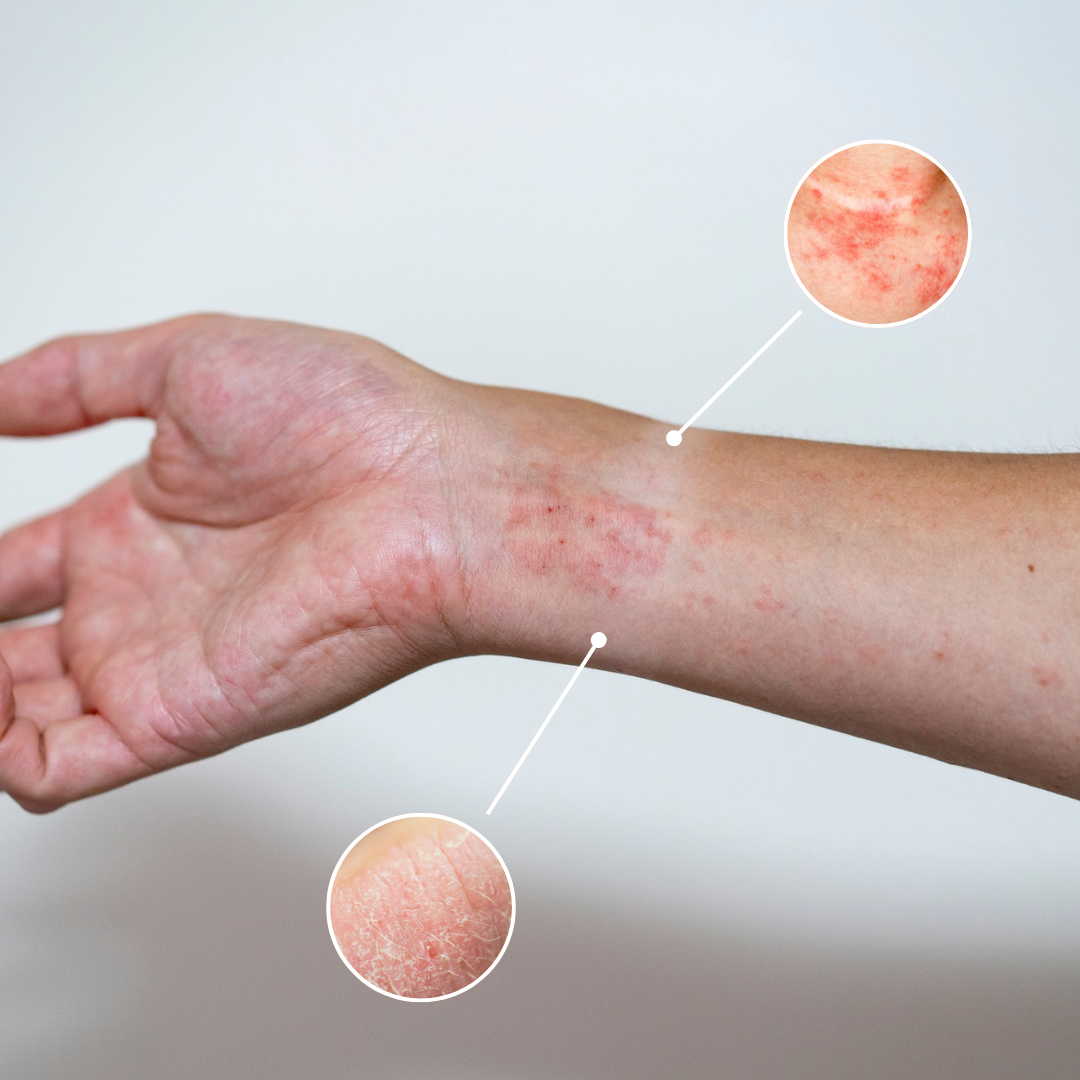
Contact Dermatitis vs. Eczema: How to Tell Them Apart
A red, itchy, irritated patch of skin can mean more than one thing, and it's easy to lump any reactive rash under the single label "dermatitis." Contact dermatitis and eczema can look remarkably similar, but they come from different causes — and knowing which one you're dealing with makes it much easier to find what actually helps.
What is contact dermatitis?
Contact dermatitis happens when something that touches your skin triggers a reaction. There are two main types:
- Irritant contact dermatitis — the most common type, caused by direct damage from something harsh: strong soaps, cleaning products, prolonged wet work, or friction. It can affect almost anyone given enough exposure.
- Allergic contact dermatitis — a delayed immune reaction to a specific allergen, such as nickel, fragrance, certain preservatives, or plants. It usually takes 12 to 72 hours to appear after contact, and only affects people who've developed a sensitivity to that particular substance.
In both cases, the rash is a direct response to something your skin touched.
What is eczema?
Eczema (atopic dermatitis) is a chronic, relapsing condition rooted in a combination of a naturally more reactive immune system and a skin barrier that doesn't hold moisture as well as it should. It often runs in families, frequently alongside asthma or hay fever, and it isn't triggered by one single substance — a wide range of things (weather, stress, certain fabrics, soaps) can set off a flare, but none of them is "the cause" the way an allergen is for contact dermatitis.
How can you tell them apart?
A few signs point toward one or the other:
- Location and shape. Contact dermatitis typically appears exactly where the trigger touched your skin, sometimes with a sharp edge or a shape that mirrors the object — a ring, a watch band, a glove line. Eczema tends to show up in its own characteristic spots, especially the creases of elbows and knees, though it can appear anywhere.
- Timing. Contact dermatitis usually clears up once the trigger is removed and doesn't return unless you're exposed again. Eczema tends to be a long-term, recurring pattern, with flares and calmer periods over months or years.
- History. A personal or family history of asthma, hay fever or eczema points more toward eczema. A rash that started after a new product, job, or piece of jewellery points more toward contact dermatitis.
- Response to avoidance. If avoiding a specific product or material clears the rash completely, that's a strong sign of contact dermatitis. If the rash keeps recurring despite no obvious new trigger, eczema is more likely.
(This isn't a diagnosis, and the two can genuinely overlap — eczema-prone skin is also more easily irritated by contact triggers. If you're not sure which you're dealing with, a doctor or dermatologist can often confirm it with a look, and sometimes a patch test for suspected allergens.)
What helps either one?
Despite the different causes, the day-to-day care overlaps a great deal:
- A fragrance-free, gentle formula, since fragrance is both a common irritant and a common allergen
- Humectants and barrier-supporting ingredients to help the skin hold onto moisture
- Avoiding harsh soaps, hot water and over-washing, both of which strip the skin further
- Identifying and removing the specific trigger, where there is one — this is the step that's unique to contact dermatitis and genuinely resolves it
Where Honey Biotics Intense Moisturiser fits in
A gentle, barrier-supporting moisturiser is useful groundwork for either condition. Intense Moisturiser is a TGA-listed medicine made in Australia with MGO 570+ Manuka honey, natural Vitamin E, jojoba oil, beeswax, shea nut butter and grapefruit seed extract, formulated to soothe and hydrate dry, sensitive and irritated skin, including eczema- and dermatitis-prone skin. It's steroid-free and suitable for gentle daily use. Patch test first, and stop use if irritation occurs.
When should you see a doctor?
See your GP or a dermatologist if the rash is severe, spreading, weeping or crusting, doesn't settle after removing likely triggers and a couple of weeks of gentle care, or keeps coming back without an obvious cause. A dermatologist can also arrange formal patch testing if an allergic trigger is suspected but not obvious.
Frequently asked questions
Can you have both eczema and contact dermatitis at the same time?
Yes. Eczema-prone skin has a weaker barrier, which makes it easier for irritants and allergens to trigger contact dermatitis on top of an existing eczema flare.
Does contact dermatitis always come from an allergy?
No. Most contact dermatitis is irritant, not allergic — caused by direct damage from something harsh rather than an immune reaction. Allergic contact dermatitis is less common and usually develops only after repeated exposure to a specific allergen.
How long does contact dermatitis take to clear up?
Once the trigger is avoided, irritant contact dermatitis often improves within days to a couple of weeks, while allergic contact dermatitis can take a little longer. If it isn't settling, it's worth seeing a doctor to confirm the trigger and rule out other causes.
Is eczema caused by something I'm allergic to?
Not usually in the same direct way as contact dermatitis. Eczema is driven by genetics and a sensitive immune system and barrier, so while certain things can trigger a flare, removing one substance rarely resolves it completely the way it can with contact dermatitis.
This article is general information, not medical advice. If you have a skin condition or suspect an allergy, speak to your doctor or dermatologist about your individual situation.
Read more
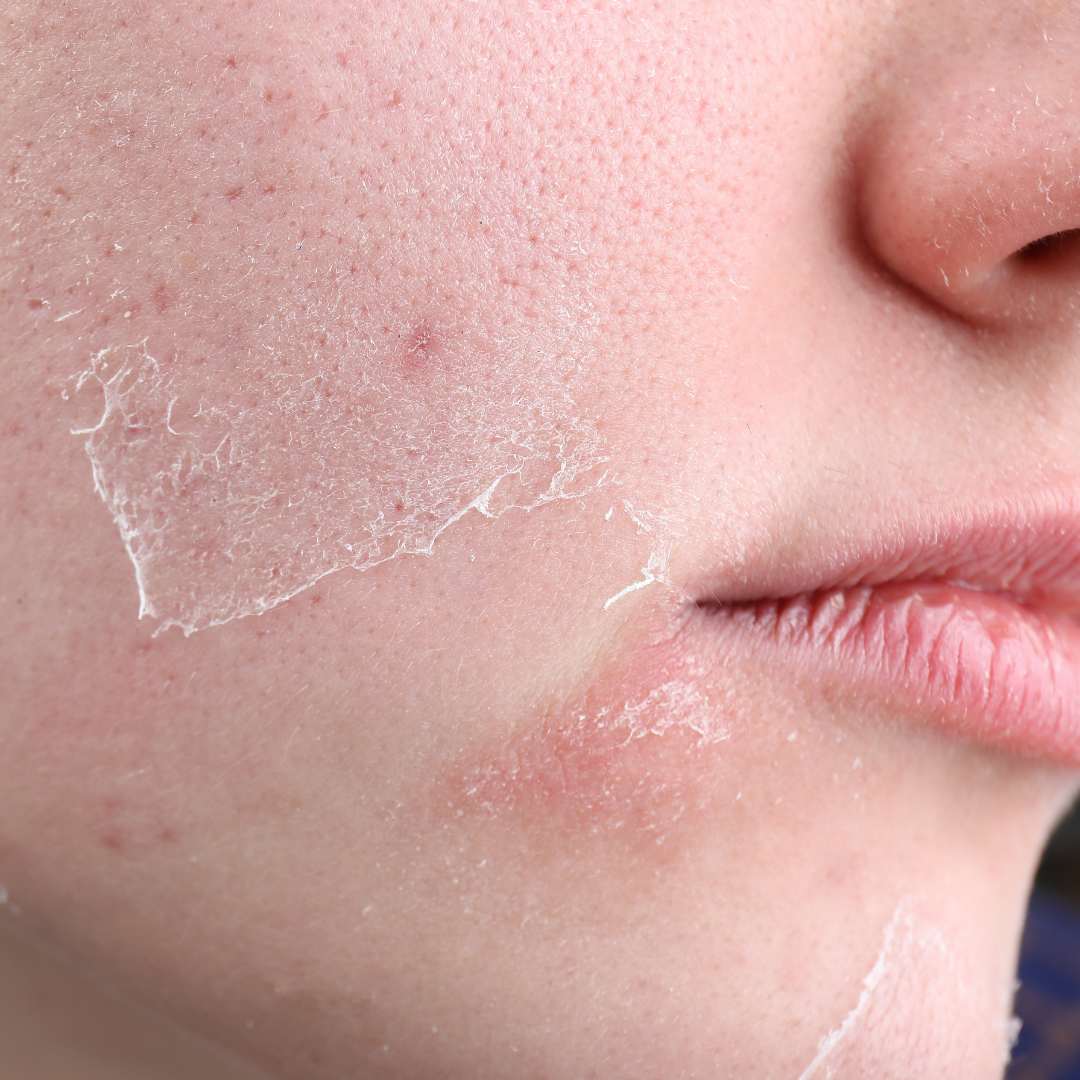
Flaky patches on your face that makeup just clings to? It's usually a sign your skin is dry or its barrier is struggling. Here's how to calm it gently — and what not to do.
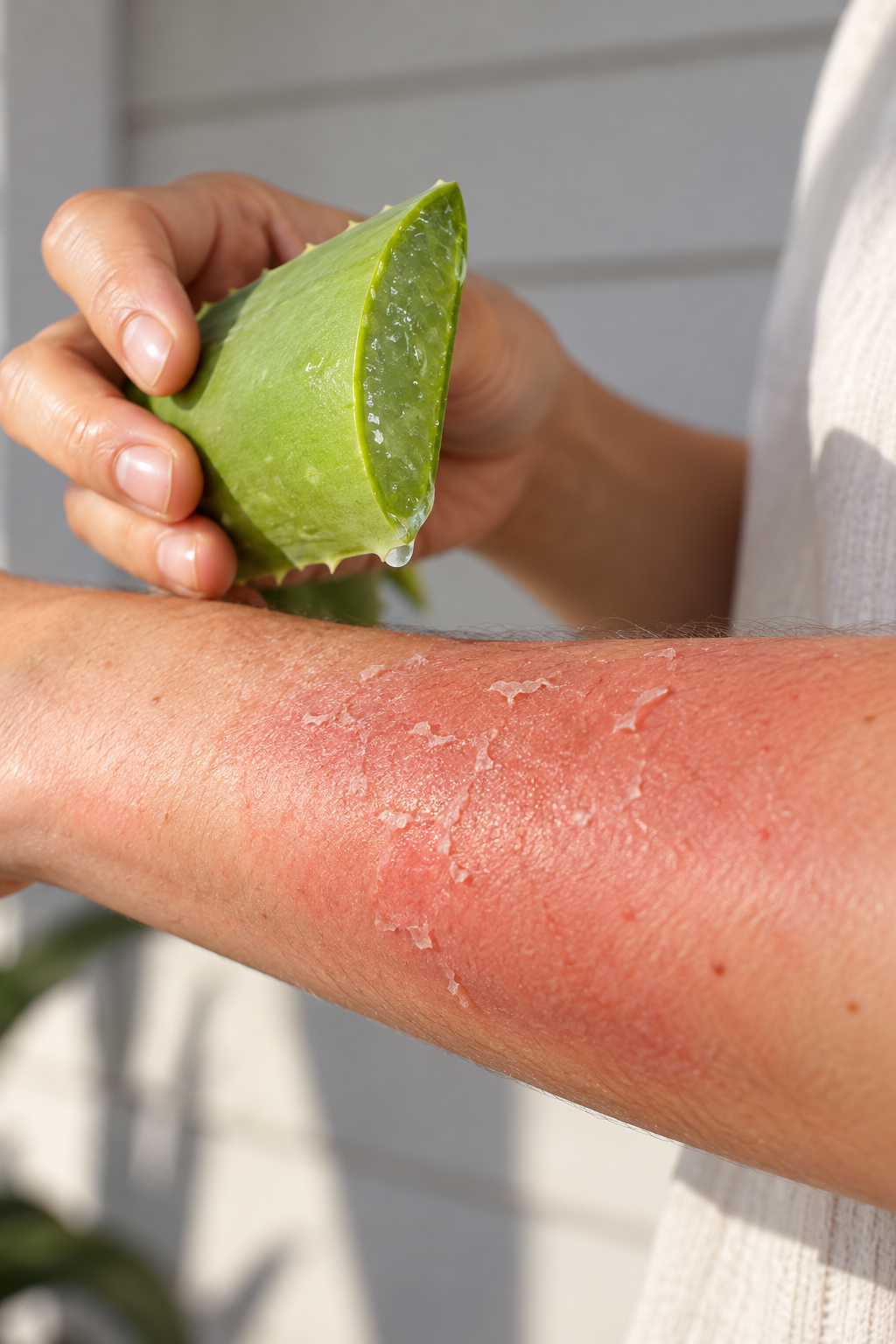
Sunburn is more than a surface burn — it damages your skin barrier for days after the redness fades. Here's what actually helps it repair, and where aloe falls short.
