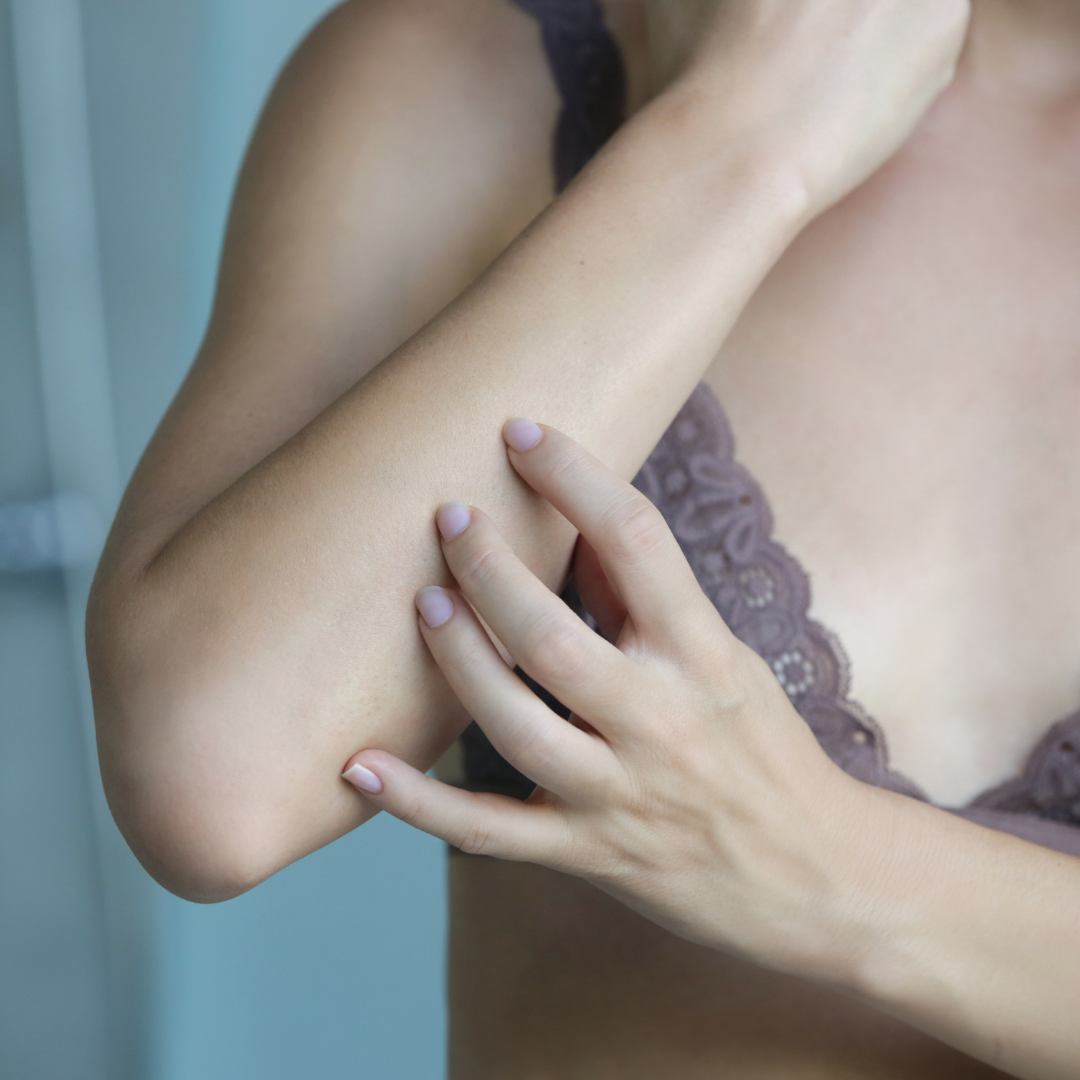
What to Do in the First Hour of a Flare-Up
The first hour of a flare-up is the moment that matters most. What you do — or don't do — in this window often decides whether it settles quickly or turns into days of discomfort. The instinct is usually to panic a little and reach for whatever's closest. A calmer, more deliberate response tends to work far better.
Here's a simple, step-by-step approach for the first hour, based on what actually helps reactive, irritated skin recover.
Why the First Hour Matters

Once skin starts reacting, it's more vulnerable than usual — the barrier is compromised, and anything harsh or unfamiliar can make things worse rather than better. What you do early on sets the direction: calm and gentle care tends to shorten a flare-up, while aggressive treatment or neglect can extend it.
Step 1: Stop and Assess
Before reaching for anything, take a moment to look at what's actually happening. Is it localised to one area, or spreading? Is it just redness and irritation, or is there swelling, blistering, or intense pain? This matters because mild, localised flare-ups respond well to gentle home care, while anything severe, rapidly spreading, or unusually painful is a signal to seek medical attention rather than self-treat.
Step 2: Cleanse Gently, or Not at All
If the area is dirty or has come into contact with an irritant, a gentle rinse with lukewarm water is enough. Avoid hot water, harsh soaps, or vigorous scrubbing — all of these strip the skin further and add stress to a barrier that's already struggling. If the skin isn't visibly dirty, it's often better to skip cleansing altogether for this first hour and go straight to calming it.
Step 3: Cool the Area
A cool (not icy) damp cloth held against the area for 10 to 15 minutes can meaningfully ease itching, swelling, and general discomfort. Avoid placing ice directly on the skin, since extreme cold can cause its own irritation. This step alone often takes the edge off before you even apply anything else.
Step 4: Apply a Gentle, Barrier-Supporting Moisturiser
This is the step that matters most for actually calming the flare-up rather than just managing the discomfort. A steroid-free, fragrance-free moisturiser built around ingredients like MGO 570+ Manuka honey works as a natural humectant, helping the skin hold onto moisture while calming redness and irritation. Applying it within this first hour, rather than waiting to see if things settle on their own, tends to shorten how long the flare-up lasts.
The Honey Biotics Intense Moisturiser was built with exactly this moment in mind. It's TGA-listed, steroid-free, and gentle enough to apply directly to already-irritated skin, working with the barrier rather than masking the problem with fragrance or numbing agents.
"Have a long history of allergic skin outbreaks. Confirmed cortisone allergy. Have been using Honey Biotics Intense Moisturiser and believe I have finally found something that provides relief and settles allergic response."
— Nicola
Step 5: Resist the Urge to Over-Treat
It's tempting to throw everything at a flare-up — a stronger cream, an exfoliant, a new product you've been meaning to try. This is exactly the wrong moment for any of that. Introducing new actives or unfamiliar products to already-reactive skin usually adds irritation rather than solving it. The first hour calls for simplicity: cool, cleanse minimally, moisturise gently, and leave it there.
What Not to Do
- Don't scratch, even if the itch is intense — it breaks the skin and increases the risk of infection
- Don't apply hot water or heat, which tends to intensify itching and redness
- Don't introduce new products, fragrances, or actives during an active flare-up
- Don't ignore rapid spreading, blistering, or severe pain — these need medical attention, not home care
When to Seek Medical Care
Most mild flare-ups respond well to gentle home care and settle within a day or two. But if symptoms are severe, spreading quickly, accompanied by blistering or significant swelling, or simply not improving after following these steps, it's time to see a doctor or dermatologist. The first hour is about calming things down — it's not a substitute for medical care when your skin is asking for more than that.
Being Ready Before It Happens
The first hour goes a lot more smoothly when you already have what you need on hand — a gentle moisturiser, a clean cloth, and a plan you don't have to think too hard about in the moment. If flare-ups are a recurring part of your life, it's worth keeping these basics within easy reach, so the first hour is about calm action rather than scrambling to figure out what to do.
Frequently Asked Questions
Should I put ice directly on a flare-up?
It's best avoided. Extreme cold can irritate skin further, especially when it's already compromised. A cool, damp cloth gives you the calming benefit without the risk that comes with ice applied directly.
Is it okay to shower during a flare-up?
Yes, but keep the water lukewarm rather than hot, and keep showers brief. Hot water strips natural oils and tends to intensify itching and redness, which works against what you're trying to achieve in that first hour.
Can I use my regular moisturiser during a flare-up?
It depends on what's in it. If your usual moisturiser contains fragrance, alcohol, or active ingredients, it's better to switch to something gentler and steroid-free for the duration of the flare-up, then return to your normal routine once skin has settled.
How long should a flare-up take to calm down?
Mild flare-ups often start improving within a few hours of gentle care and settle fully within a day or two. If there's no improvement after 24 to 48 hours of consistent, gentle treatment, it's worth checking in with a doctor or dermatologist.
What if the flare-up doesn't improve after the first hour?
One hour is rarely enough to fully resolve a flare-up — it's about starting the right kind of care, not finishing it. Keep up the gentle approach over the following hours and days, and seek medical attention if things worsen rather than improve.
This article is general information, not medical advice. Speak to your doctor about your individual situation.