What to Look For in a Moisturiser for Sensitive Skin
For sensitive skin, look for a moisturiser that’s fragrance-free, gentle, and built around barrier-supporting ingredients — humectants to draw in moisture, emollients to smooth and soften, and occlusives to seal it in. Just as important is what it leaves out: added fragrance, high alcohol content and harsh actives that can trigger a reaction.
Why sensitive skin needs a careful choice

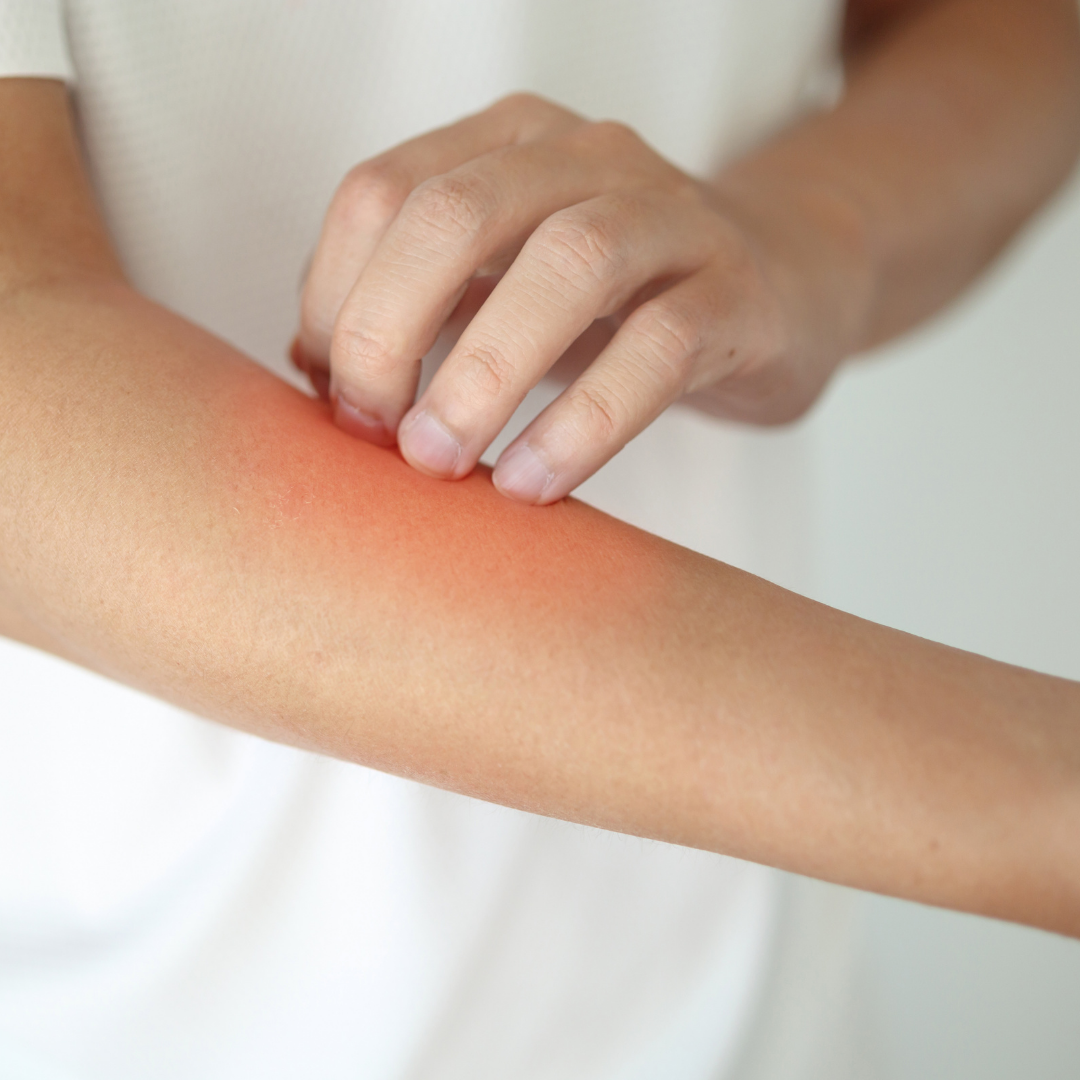
Sensitive skin reacts more easily than most — with stinging, redness, tightness or flare-ups — often because its protective barrier is more reactive or compromised. The wrong product can irritate it further, while the right one calms it and helps the barrier recover. That’s why choosing a moisturiser deliberately, rather than grabbing whatever’s on the shelf, makes such a difference.
What to look for
The best moisturisers for sensitive skin tend to share a few features:
- Fragrance-free. Added fragrance is one of the most common triggers for sensitive skin.
- Humectants. Ingredients like glycerin, hyaluronic acid and honey draw water into the skin.
- Emollients and barrier lipids. Ceramides and fatty acids smooth the surface and help rebuild the barrier.
- Soothing ingredients. Calming, anti-inflammatory ingredients help settle redness and irritation.
- Short, simple ingredient lists. Fewer ingredients means fewer chances for a reaction.
- Suited to your skin. Ideally something formulated for sensitive, dry or condition-prone skin.
What to avoid
Some ingredients are more likely to irritate reactive skin. Be cautious with:
- Added fragrance and essential oils
- High-alcohol formulas that can dry and sting
- Strong actives (like high-strength acids or retinoids) that can overwhelm delicate skin
- Harsh physical scrubs and known irritants
- Very long, complex ingredient lists
Other things that matter
Beyond the ingredients, look for a product you can patch test easily, one that suits your skin type (for example, non-comedogenic if you’re prone to breakouts), and one from a brand you trust. In Australia, a product that’s a TGA-listed medicine has met set standards for its ingredients and manufacturing, which can offer extra reassurance over an unregulated cosmetic.
How to test a new moisturiser
Before committing, patch test: apply a small amount to an inconspicuous spot (like the inner forearm) for a few days and watch for any reaction. Introduce just one new product at a time, and give it a couple of weeks — sensitive skin often needs a little patience to show whether something truly suits it.
Where Honey Biotics Intense Moisturiser fits in

If you’re looking for a moisturiser that ticks these boxes, our Intense Moisturiser is made with sensitive skin in mind. It’s a TGA-listed medicine made in Australia with MGO 570+ Manuka honey — a natural humectant — formulated to soothe and hydrate dry, sensitive and irritated skin, including eczema- and dermatitis-prone skin. It’s steroid-free and suitable for gentle daily use. Patch test first, and stop use if irritation occurs.
Frequently asked questions
What ingredients are best for sensitive skin?
Look for humectants (like glycerin, hyaluronic acid and honey), barrier lipids (like ceramides and fatty acids), and soothing ingredients — ideally in a fragrance-free formula with a short ingredient list.
Should sensitive skin moisturisers be fragrance-free?
Generally yes. Added fragrance is a leading cause of irritation, so fragrance-free is the safer choice for reactive skin.
Is a thicker moisturiser better for sensitive skin?
A richer moisturiser can be helpful for dry, sensitive skin because it seals in moisture, but what matters most is that it’s gentle and free from irritants.
How do I know if a moisturiser suits my skin?
Patch test it first, introduce it on its own, and give it a couple of weeks. If your skin stays calm and comfortable, it’s likely a good match.
Can I use the same moisturiser on my face and body?
Often yes, if it’s gentle and non-irritating — just avoid the eye area and patch test first, especially on the face.
This article is general information, not medical advice. Speak to your doctor about your individual situation.