Why Is My Skin So Itchy? Causes and How to Get Relief
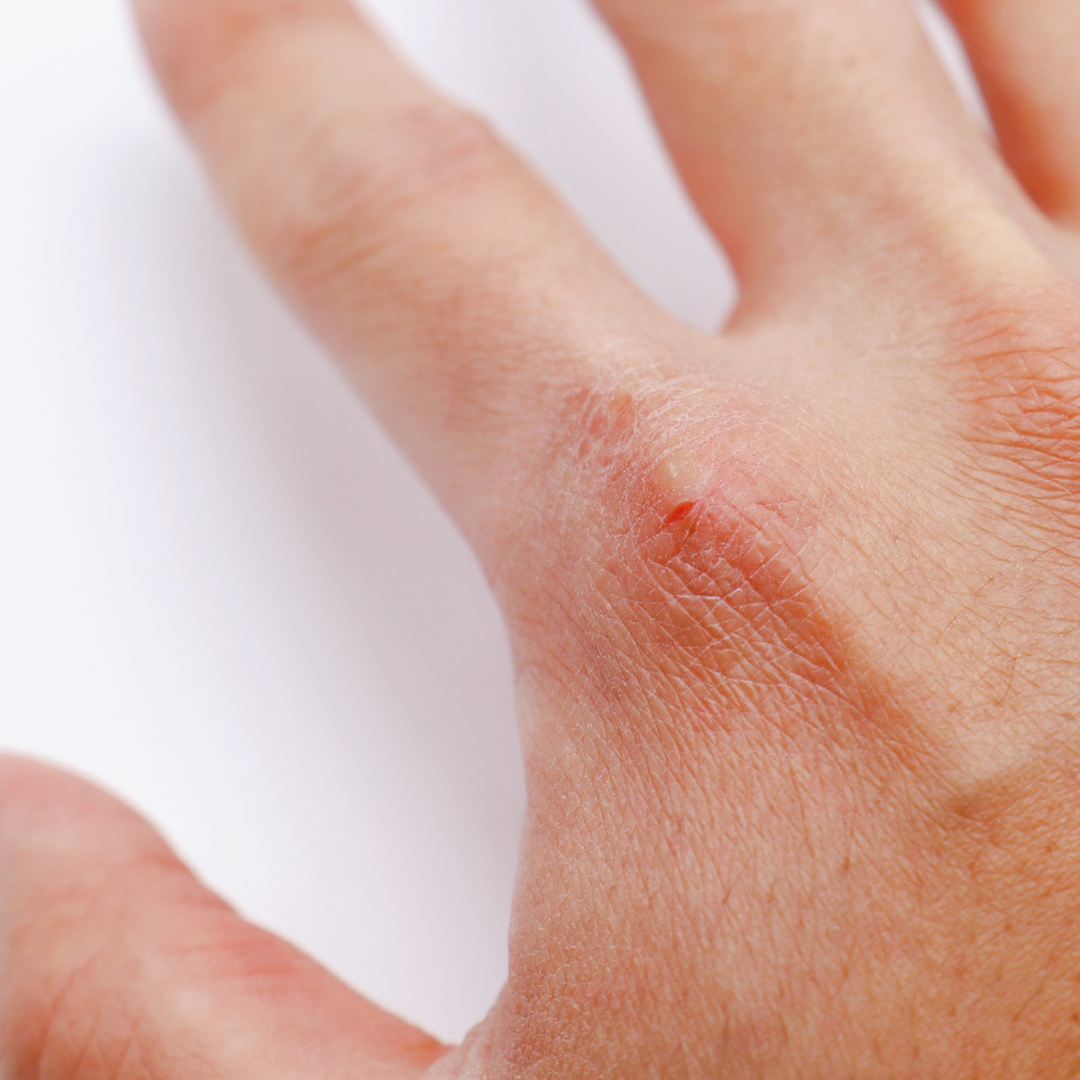
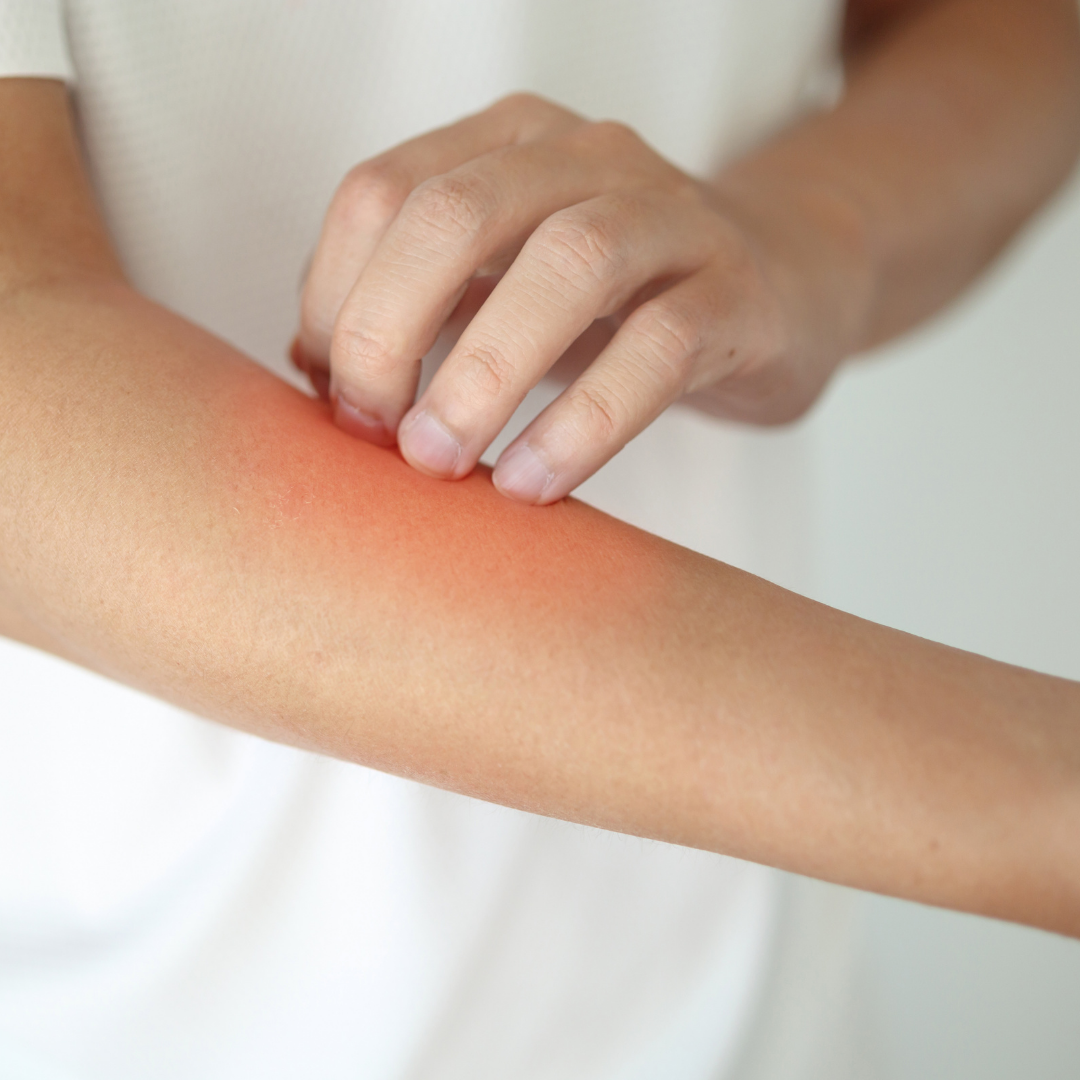
The most common reason for itchy skin is simple dryness, but itching can also come from skin conditions like eczema and dermatitis, from irritants and allergies, or — less often — from an underlying health issue. For everyday itch caused by dry or sensitive skin, keeping the skin well moisturised and avoiding triggers usually brings relief; itching that’s persistent or unexplained is worth seeing a doctor about.
What causes itchy skin?
Itch (the medical term is pruritus) has a long list of possible causes. The most common include:

- Dry skin — by far the most frequent cause, and more common in cold, dry weather and as we age.
- Skin conditions — eczema, dermatitis and psoriasis are all itchy by nature.
- Irritants and allergies — soaps, detergents, fragrances, certain fabrics or skincare can trigger itch, sometimes before any redness appears.
- Insect bites and the environment — bites, heat, and low humidity can all set off itching.
- Less commonly, internal causes — liver, kidney or thyroid problems, iron deficiency, nerve issues, some medications, pregnancy and stress can all cause itch.
Can you be itchy without a rash?
Yes. You can have intensely itchy skin with nothing visible on the surface. Most often this is simply dry skin. But itching all over the body with no rash — especially if it’s persistent — can occasionally point to an internal cause, which is why ongoing, unexplained itch should be checked by a doctor rather than left to guesswork.
How can you relieve itchy skin?
For everyday itch from dry or sensitive skin, these steps usually help:
- Try not to scratch. Scratching damages the skin and tends to make the itch worse, and can lead to infection.
- Moisturise generously and often. Regular moisturising is one of the most effective ways to calm a dryness-related itch.
- Keep showers lukewarm and short. Hot water strips the skin and can intensify itching.
- Choose gentle, fragrance-free products for skincare, laundry and cleansing.
- Use a cool compress on especially itchy spots for quick relief.
- Wear soft, breathable fabrics and add moisture to dry indoor air with a humidifier.
Where Honey Biotics Intense Moisturiser fits in
When itch is driven by dry, sensitive or eczema- and dermatitis-prone skin, regular moisturising is your best friend. Our Intense Moisturiser is a TGA-listed medicine made in Australia with MGO 570+ Manuka honey, formulated to soothe and hydrate dry, irritated skin. Because it’s steroid-free, it’s suitable for regular, daily use to help keep skin calm and comfortable. Patch test on a small area first, and stop use if irritation occurs.
When should you see a doctor?
See your GP or a dermatologist if your itch lasts more than two weeks or keeps coming back, affects your whole body with no obvious cause, disrupts your sleep, or comes with other symptoms such as fatigue, unexplained weight loss, fever, night sweats or yellowing of the skin. Also see a doctor if scratching has broken the skin and it shows signs of infection. A professional can find the cause and recommend the right treatment.
Frequently asked questions
Why is my skin so itchy at night?
Night-time itch is common with dry skin and conditions like eczema, partly because the skin loses more moisture overnight and there are fewer distractions from the sensation. Persistent night itching that disrupts sleep is worth discussing with a doctor.
Can dry skin make you itch without a rash?
Yes — dry skin is the most common cause of itch with no visible rash. Regular moisturising and gentler washing habits usually help.
How do I stop itchy skin fast?
Avoid scratching, apply a moisturiser or a cool compress, and switch to lukewarm water and fragrance-free products. If the itch is intense, an over-the-counter anti-itch product may help.
When is itchy skin a sign of something serious?
Itching that lasts more than two weeks, affects your whole body without a rash, or comes with symptoms like weight loss, fatigue or fever should be checked by a doctor.
Does moisturising help itchy skin?
For dryness-related itch, yes — keeping skin well hydrated is one of the simplest and most effective ways to reduce the urge to scratch.
This article is general information, not medical advice. Persistent or unexplained itching can be a sign of an underlying condition, so speak to your doctor about your individual situation.