
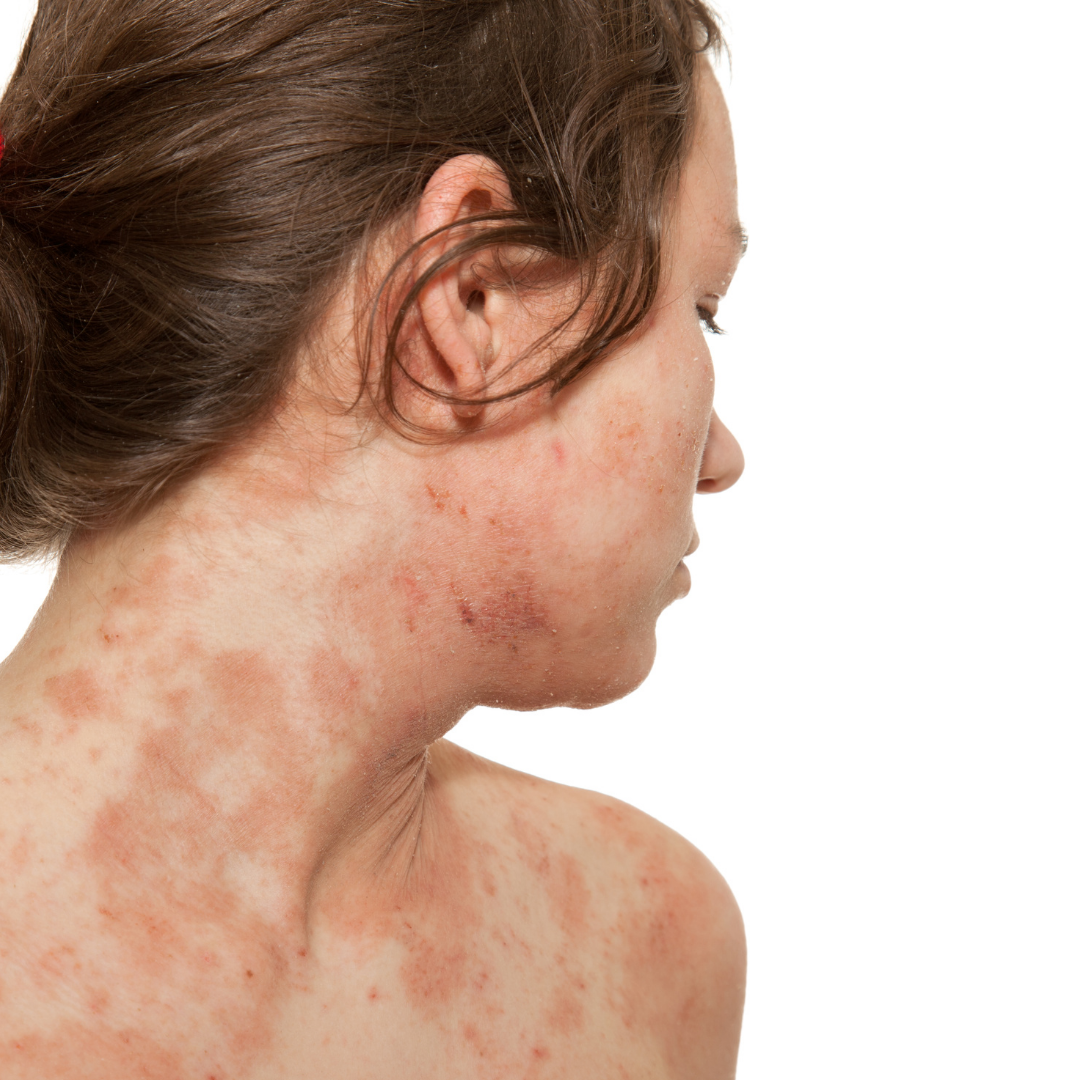
What Causes Contact Dermatitis and How to Soothe It
Contact dermatitis is an itchy, inflamed rash that appears when your skin reacts to something it has touched — either an irritant (like soap, detergent or friction) or an allergen (like nickel, fragrance or certain plants). The most important first step is identifying and avoiding the trigger; from there, gentle care and regular moisturising can calm the irritation and help your skin barrier recover.
What is contact dermatitis?

Contact dermatitis is one of the most common skin complaints, affecting an estimated 15–20% of people at some point. It happens when something your skin touches either damages it or triggers an allergic response, leaving a red, itchy, irritated patch. It is not contagious, and in most cases it clears up once the trigger is found and removed.
There are two main types. Irritant contact dermatitis is the most common, making up around 80% of cases, and happens when a substance gradually breaks down the skin’s protective barrier. Allergic contact dermatitis is an immune reaction to something your skin has become sensitised to, such as nickel or fragrance.
What are the symptoms?
Contact dermatitis usually shows up as a rash exactly where your skin met the trigger. Common signs include:
- Redness, or discolouration that’s darker than your usual skin tone
- Itching, and sometimes a burning or stinging feeling
- Dry, flaky or cracked skin
- Swelling, bumps or, less often, small blisters
Irritant reactions often appear quickly and can feel more like burning, while allergic reactions may take a day or two to show up after contact. The hands, face, eyelids and neck are especially common spots, simply because they touch the most things.
What triggers contact dermatitis?
Triggers are all around us in everyday life. The usual culprits include:
- Soaps, detergents and cleaning products — and frequent hand-washing, which is why it’s common in healthcare workers, hairdressers and cleaners.
- Fragrances and cosmetics — perfumes, lotions and some skincare ingredients.
- Metals — nickel is a frequent one, found in costume jewellery, belt buckles and watch backs.
- Plants — poison ivy, oak and sumac are classic examples.
- Rubber, latex and certain fabrics — including gloves and tight or rough materials.
- Friction and repeated wetting and drying — which gradually wear down the skin barrier.
How can you soothe contact dermatitis?
Once you’ve worked out what’s causing the reaction, these gentle steps can help calm your skin and support its recovery:
- Identify and avoid the trigger. This is the single most important step — the rash usually settles once contact stops.
- Cleanse gently. Wash the area with a mild, fragrance-free cleanser and lukewarm water, then pat (don’t rub) dry.
- Use a cool compress. A cool, damp cloth for 10–15 minutes can ease itching and swelling. Avoid putting ice directly on the skin.
- Moisturise to protect the barrier. Apply a gentle, fragrance-free moisturiser to soothe dryness and help the damaged skin barrier rebuild.
- Resist scratching. Keep nails short, as scratching can break the skin and lead to infection.
- Wear loose, soft clothing. Breathable cotton reduces friction and irritation while skin heals.
Why moisturising helps your skin barrier recover
Because irritant contact dermatitis is essentially a breakdown of the skin barrier, restoring that barrier is central to feeling better. A good moisturiser helps draw moisture into the skin and hold it there, easing dryness and tightness while the skin repairs. Keeping the barrier strong with regular moisturising also helps reduce the chance of the same irritation flaring up again.
This is where Manuka honey is a useful ingredient. Manuka honey acts as a natural humectant, helping the skin attract and retain moisture, and it has natural antibacterial properties that may help protect skin that’s been scratched or cracked. Used within a gentle moisturiser, it can be a soothing, hydrating choice for reactive, dermatitis-prone skin.
Where Honey Biotics Intense Moisturiser fits in

For calming and protecting dermatitis-prone skin, a gentle, steroid-free moisturiser like our Intense Moisturiser can help soothe irritation and support the skin barrier as it recovers. It’s a TGA-listed (for eczema and dermatitis), steroid-free cream made in Australia with MGO 570+ Manuka honey, designed for sensitive, reactive skin.
Because it’s steroid-free, it’s suitable for regular, ongoing use — both to soothe a current flare and to help keep your skin barrier strong day to day. It works best alongside avoiding your trigger, not as a replacement for it. As with any new product, patch test first, and stop use if irritation occurs.
When should you see a doctor?
Most mild contact dermatitis settles on its own within a week or two once the trigger is removed. See your GP or a dermatologist if the rash is severe, blistering, spreading, very painful, on your face or genitals, showing signs of infection (such as oozing pus, increasing pain or warmth), or simply not improving. If reactions keep happening and you can’t pin down the cause, a doctor can arrange patch testing to identify the allergen.
Frequently asked questions
What’s the difference between irritant and allergic contact dermatitis?
Irritant contact dermatitis (around 80% of cases) happens when a substance like soap or detergent gradually damages the skin barrier, and it often burns. Allergic contact dermatitis is an immune reaction to something you’ve become sensitised to, such as nickel or fragrance, and the rash may take a day or two to appear.
How long does contact dermatitis last?
Mild cases often clear within one to two weeks once you stop contact with the trigger. More severe reactions can take longer, and persistent or worsening rashes are worth seeing a doctor about.
Is contact dermatitis contagious?
No. Contact dermatitis is a reaction in your own skin and cannot be spread to anyone else.
Does moisturising help contact dermatitis?
Yes. A gentle, fragrance-free moisturiser helps protect and rehydrate the damaged skin barrier, easing dryness and supporting recovery — and ongoing moisturising can help prevent it coming back.
Can I use Intense Moisturiser for dermatitis?
Yes — it’s a steroid-free cream that’s TGA-listed for eczema and dermatitis, made to soothe and hydrate sensitive, reactive skin. Patch test before first use, keep avoiding your trigger, and see a doctor if the rash is severe or won’t settle.
This article is general information, not medical advice. Speak to your doctor about your individual situation.
Read more
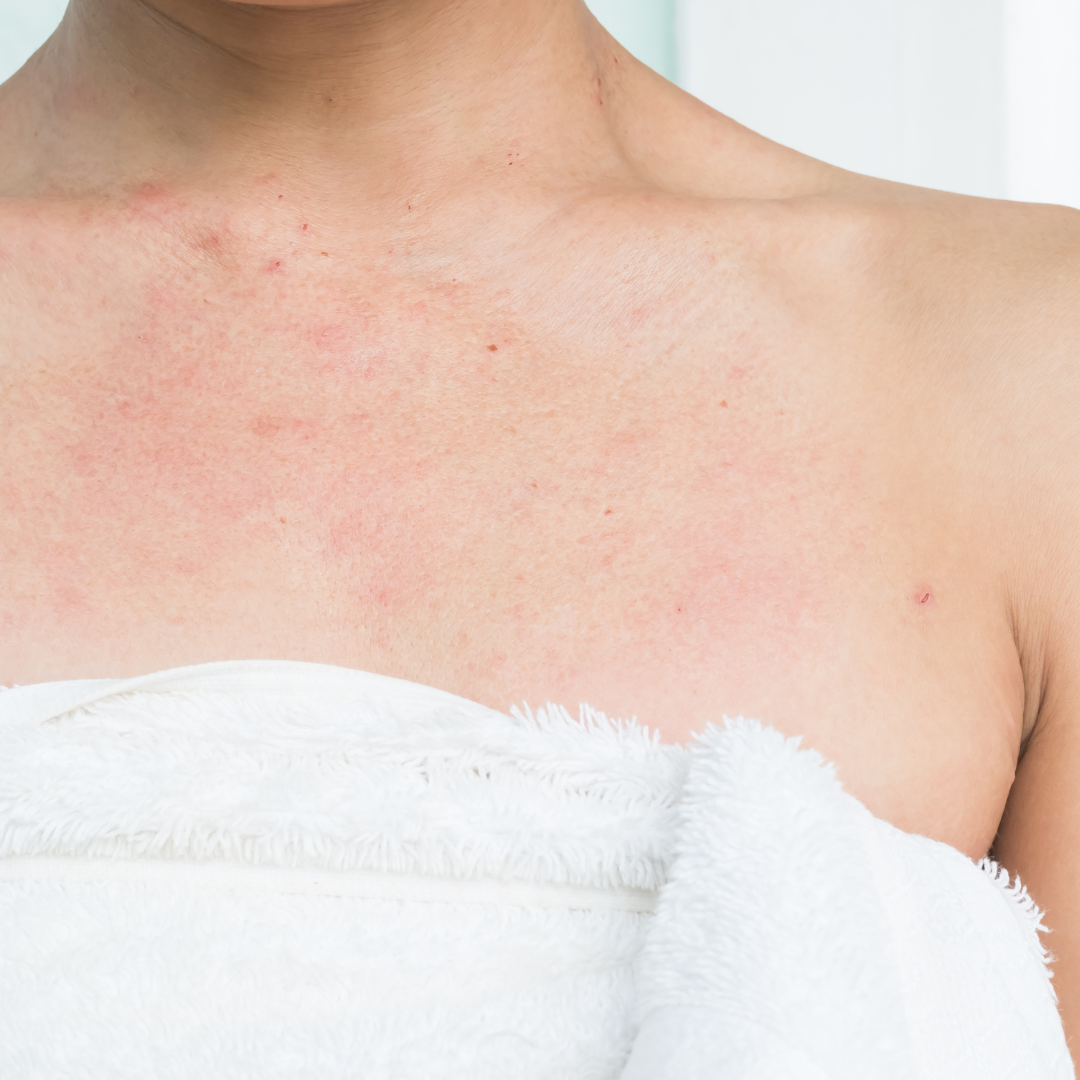
If your eczema always seems to flare up at night, you're not imagining it. Here's what's really happening to your skin after dark — from dropping cortisol to overnight moisture loss — and the simpl...
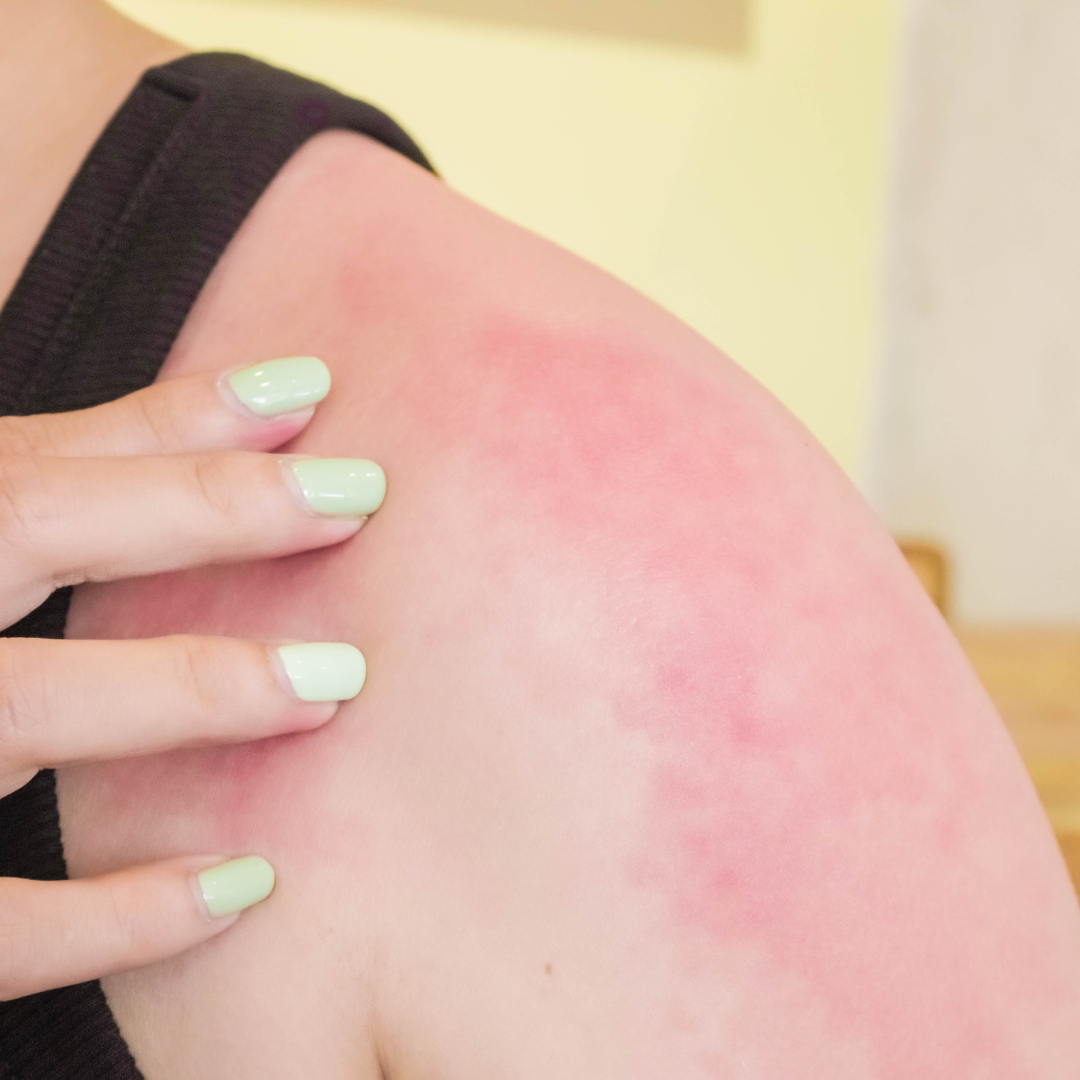
Tightness, a faint pink tone, an itch that comes and goes — these are your skin's early warnings. Here's how to catch a flare-up before it fully arrives.
