
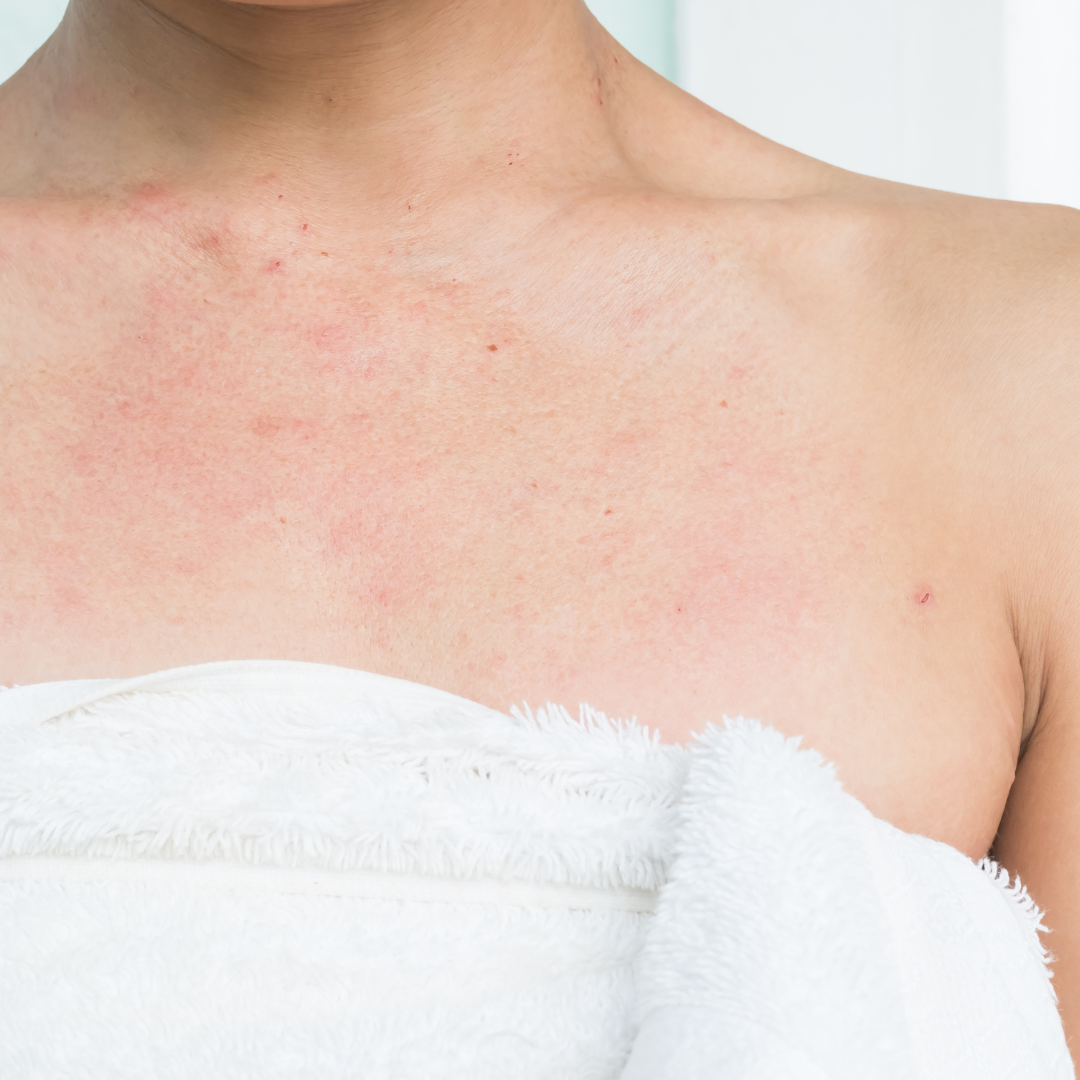
Why Does Eczema Get Worse at Night? How to Calm It
Eczema often gets worse at night because of a mix of natural body changes: your anti-inflammatory hormone cortisol dips in the evening, your skin loses more water overnight, you warm up under the covers, and there are fewer daytime distractions from the itch. The encouraging part is that a calm, consistent evening routine — especially reapplying a rich, barrier-supporting moisturiser right before bed — can soothe the flare and help protect your sleep.
Why does eczema flare up at night?
If your eczema feels worse after dark, you are not imagining it. Several things shift as your body moves into its night-time rhythm:
- Your cortisol drops in the evening. Cortisol is one of the body’s natural anti-inflammatory hormones. As its levels fall at night, your skin has less help calming inflammation while you sleep.
- Your skin loses more water overnight. During the night, the skin loses extra moisture through a process called transepidermal water loss, which can leave it drier and itchier.
- Your daytime moisturiser has worn off. If you only moisturise in the morning, the effects can fade by bedtime — just when your skin needs support most.
- You get warmer in bed. Body and skin temperature change as you fall asleep, and even a small increase in warmth can intensify the itch.
- There is nothing to distract you. During the day you are busy and moving; at night, when everything slows down, your nervous system notices the itch far more.
Why does the night-time itch feel so intense?

The night-time itch — sometimes called nocturnal pruritus — can feel relentless. Scratching brings a moment of relief, but it also damages the skin and triggers more inflammation, which leads to more itching. This loop is often called the itch-scratch cycle. It is especially hard to break at night, because people commonly scratch in their sleep without realising it.
This is more than an inconvenience. Disrupted sleep is one of the most common effects of eczema for both adults and children, and poor sleep can make the next day’s symptoms feel even harder to manage.
How can you calm eczema at night?
You can’t change your body’s natural rhythms, but you can give your skin more support before bed. These gentle habits may help:
- Moisturise right before bed. Make a generous layer of a rich moisturiser the very last step of your evening routine, to help lock in moisture overnight.
- Keep your bedroom cool. A slightly cooler room reduces overheating and the itch that comes with it.
- Choose soft, breathable sleepwear. Loose cotton layers are gentler on irritated skin than wool or synthetic fabrics.
- Keep nails short. Short nails (and, for children, light cotton gloves or mittens) limit the damage from scratching in your sleep.
- Wind down with a lukewarm — not hot — shower. Hot water can strip the skin. Pat dry gently and moisturise straight away while skin is still slightly damp.
- Reduce bedroom triggers. Wash bedding regularly and keep dust down, as dust is a common eczema trigger.
Why a good night-time moisturiser matters so much
Because so much of the night-time flare comes down to moisture loss and a stressed skin barrier, reapplying a quality moisturiser before bed is one of the most useful habits you can build. A good moisturiser works in two ways: it draws moisture into the skin and helps the skin hold onto it, supporting the barrier that keeps irritants out and hydration in.
This is also where Manuka honey is interesting for eczema-prone skin. Manuka honey acts as a natural humectant, meaning it helps draw moisture into the skin, and early research and a long history of traditional use suggest it may help soothe irritated skin. It is not a cure, but as part of a barrier-supporting moisturiser, it can be a gentle, soothing ingredient for nightly care.
Where Honey Biotics Intense Moisturiser fits in

If you are looking for a night-time moisturiser made specifically for eczema-prone skin, a rich, steroid-free option like our Intense Moisturiser for eczema and dermatitis can help. It is a TGA-listed, steroid-free cream made in Australia with MGO 570+ Manuka honey, formulated to soothe and support eczema- and dermatitis-prone skin.
Because it is steroid-free, it is suitable for regular, ongoing use — including as the last step of your evening routine, when your skin needs the most help holding onto moisture. As with any new skincare product, patch test first, and stop use if irritation occurs.
When should you see a doctor?
Speak to your GP or a dermatologist if your eczema is severe, is not improving with a regular routine, shows signs of infection (such as weeping, crusting, increasing pain or spreading redness), or is significantly disrupting your sleep. A health professional can rule out infection and tailor a treatment plan to your individual situation.
Frequently asked questions
Why is my eczema so itchy at night but fine during the day?
At night your cortisol levels drop, your skin loses more water, and you tend to get warmer in bed — all of which can intensify the itch. With fewer daytime distractions, your body also simply notices the itch more.
Does moisturising at night actually help eczema?
It can make a real difference. Reapplying a rich moisturiser right before bed helps replace the moisture lost overnight and supports the skin barrier, which may ease itching and reduce the urge to scratch in your sleep.
Is Manuka honey good for eczema?
Many people find it soothing, and early research is promising. Manuka honey acts as a humectant and has natural antibacterial properties, which may help calm and protect irritated skin — though it is best used within a proper skincare product rather than applied raw.
Can I use Intense Moisturiser every night?
Yes. Because it is steroid-free, it is designed for regular, ongoing use, including nightly application. Patch test before first use, and speak to your doctor if you have any concerns about your individual situation.
Should I see a doctor about night-time eczema?
If your eczema is severe, shows signs of infection, or is regularly disrupting your sleep, it is worth seeing your GP or dermatologist for personalised advice.
This article is general information, not medical advice. Speak to your doctor about your individual situation.
Read more
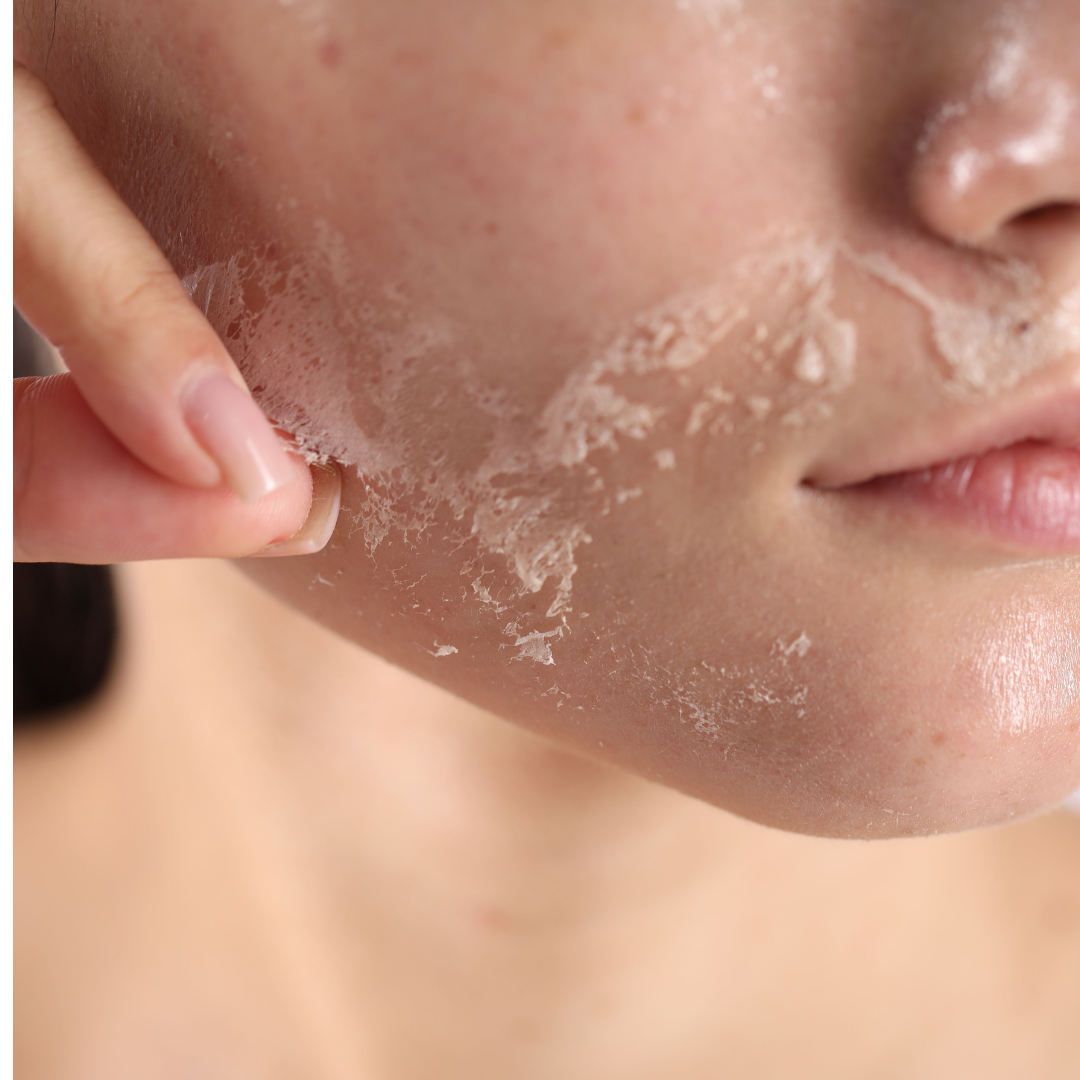
Skin feeling dry no matter what you do? The cause could be anything from your natural skin type to hot showers, the weather, or simple dehydration. Here's how to work out why your skin is dry — and...
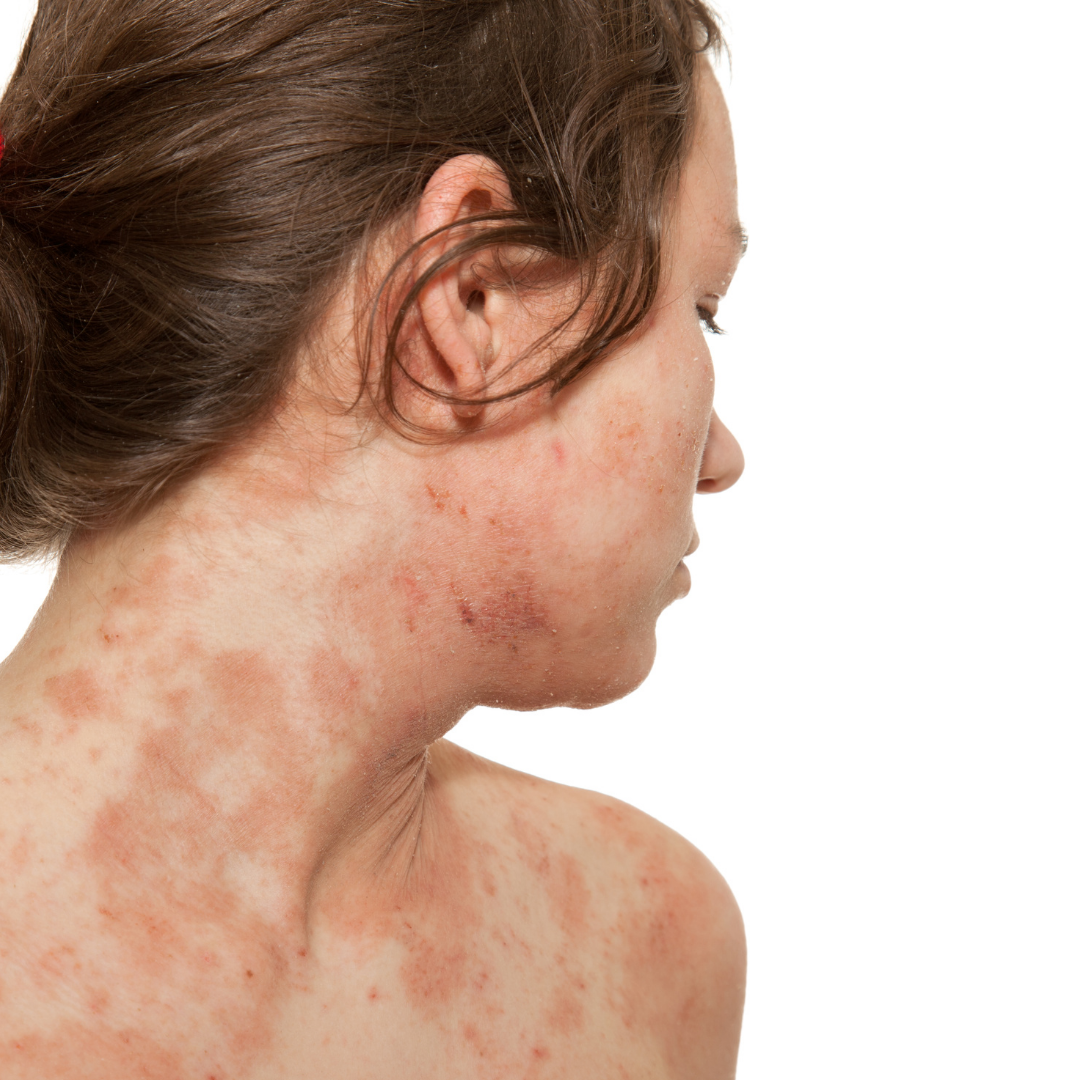
That sudden itchy, red rash after touching something? It could be contact dermatitis — one of the most common skin reactions there is. Here's what triggers it, how to tell irritant from allergic, a...
