
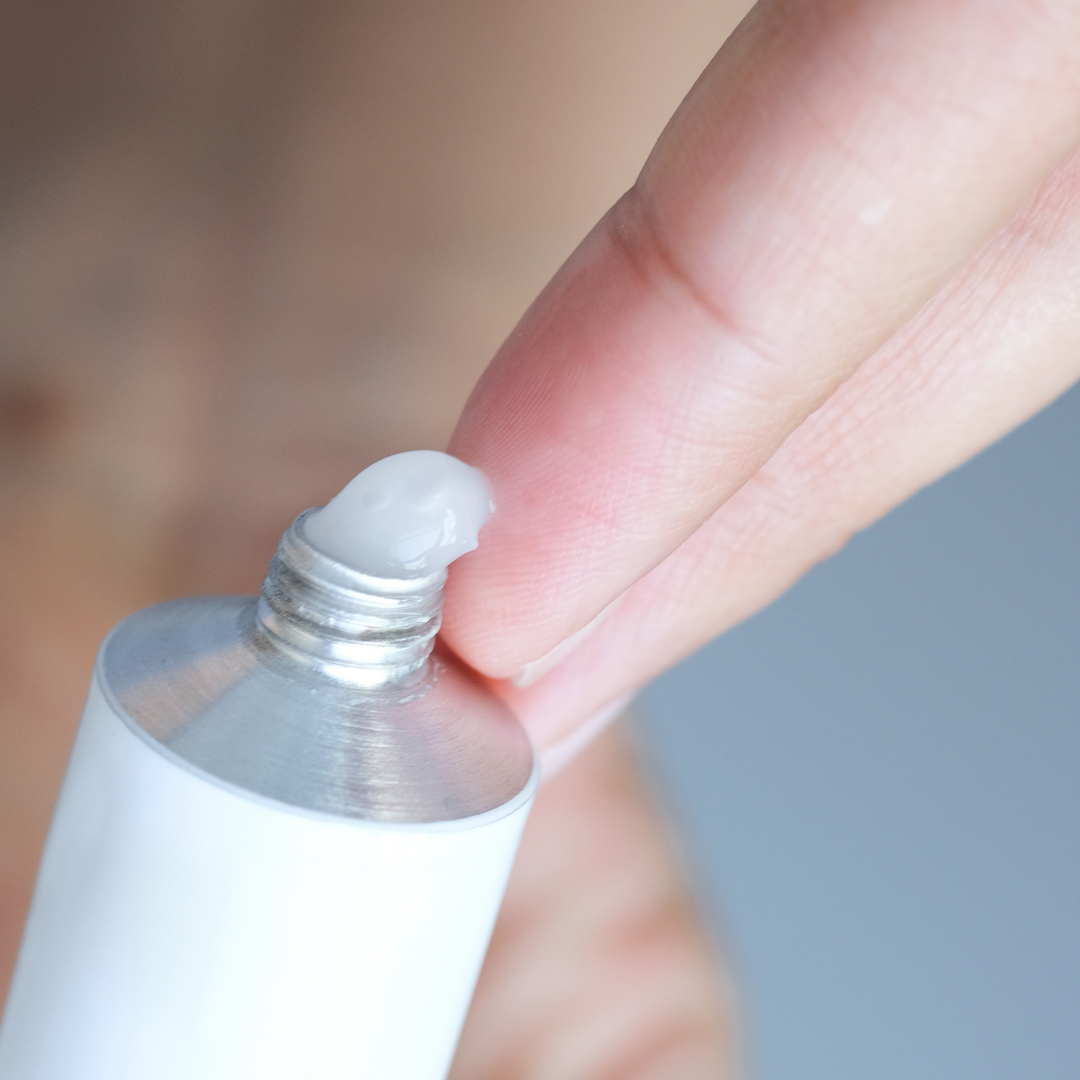
Why Steroid-Free Matters
Steroid creams are effective, fast-acting, and often exactly what a bad flare-up needs in the moment. They're also not designed to be used indefinitely — and understanding why matters if you're managing a chronic skin condition over months or years, not just a single flare.
What steroid creams actually do
Topical corticosteroids work by suppressing the local immune and inflammatory response in the skin. That's why they're so effective at calming redness, swelling, and itching quickly — they're directly dampening the process causing those symptoms. For an acute flare-up, that speed is genuinely valuable.
Why long-term daily use is a different situation
The trade-offs of topical steroids become more relevant the longer and more frequently they're used. Documented effects of prolonged or repeated use include:
- Skin thinning (atrophy) — the skin can become thinner, more fragile, and more prone to tearing or bruising with extended use, particularly on delicate areas like the face, hands, or skin folds.
- Reduced effectiveness over time (tachyphylaxis) — some people find a steroid cream that worked well initially becomes less effective with continued use, which can lead to reaching for a stronger formulation.
- Rebound flares on stopping — for some people, particularly after prolonged or high-frequency use, stopping a topical steroid can trigger a flare that's more severe than the original condition. This is a recognised phenomenon sometimes referred to as topical steroid withdrawal.
- Stretch marks and visible blood vessels — these can develop with extended use, especially at higher potencies.
None of this means steroid creams are wrong to use — for many people, under medical guidance, they're an appropriate and necessary part of managing a flare. It means they're generally intended for short, targeted courses rather than continuous, indefinite daily use.

Why steroid-free matters for ongoing care
Because of these trade-offs, many people managing a chronic condition — eczema, dermatitis, psoriasis — look for something they can use every day, long-term, without the same risks. A steroid-free moisturiser doesn't carry the atrophy, tachyphylaxis, or rebound-flare risks associated with topical steroids, which is why it's often used as the daily maintenance layer, with a steroid reserved for a doctor-directed flare-up course if one is needed.
An important note on stopping steroid creams
If you're currently using a prescribed topical steroid, don't stop or change how you use it without talking to your doctor first. Suddenly stopping a steroid you've used regularly, especially for an extended period, can trigger a rebound flare. Any change to your steroid routine — reducing frequency, switching to a maintenance product, or stopping altogether — is worth discussing with the doctor who prescribed it.
Where Honey Biotics Intense Moisturiser fits in
The Intense Moisturiser is a TGA-listed medicine made in Australia, formulated to be steroid-free, so it's suitable for daily, ongoing use without the trade-offs associated with long-term steroid use. It's built with MGO 570+ Manuka honey, Natural Vitamin E at 37% concentration, and four other natural ingredients to hydrate, soothe and support the skin barrier. Many people use it as their everyday maintenance product, alongside — not necessarily instead of — any treatment their doctor has prescribed. As always, patch test on a small area first, and speak to your doctor about how it fits into your overall skin care.
Frequently asked questions
Are steroid creams bad for skin?
Not inherently — they're effective and often necessary for managing flare-ups under medical guidance. The concern is specifically with prolonged, high-frequency, or unsupervised long-term use, which carries risks like skin thinning and rebound flares.
Can I just stop using my steroid cream and switch to something steroid-free?
Not without talking to your doctor first. Stopping a steroid cream abruptly, especially after regular or prolonged use, can trigger a rebound flare. Your doctor can advise on how to adjust or taper your routine safely.
What is topical steroid withdrawal?
It's a recognised phenomenon where skin reacts with a flare-up, sometimes more severe than the original condition, after stopping topical steroids following prolonged or frequent use. If you're concerned this might apply to you, speak to a doctor or dermatologist.
Is a steroid-free moisturiser as effective as a steroid cream?
They work differently. Steroids suppress inflammation directly and quickly; a steroid-free moisturiser supports the skin barrier and hydration over time. Many people use both — a steroid for acute flare-ups under medical direction, and a steroid-free product for daily maintenance.
Can I use a steroid-free moisturiser every day?
Yes — that's generally the point of a steroid-free formulation. Because it doesn't carry the same long-term risks as topical steroids, it's designed for regular, ongoing use.
This article is general information, not medical advice. Speak to your doctor about your individual situation, including before changing how you use any prescribed medication.
Read more
The first hour after a flare-up starts often decides how quickly it settles. Here's a simple, step-by-step approach for calming reactive skin fast.
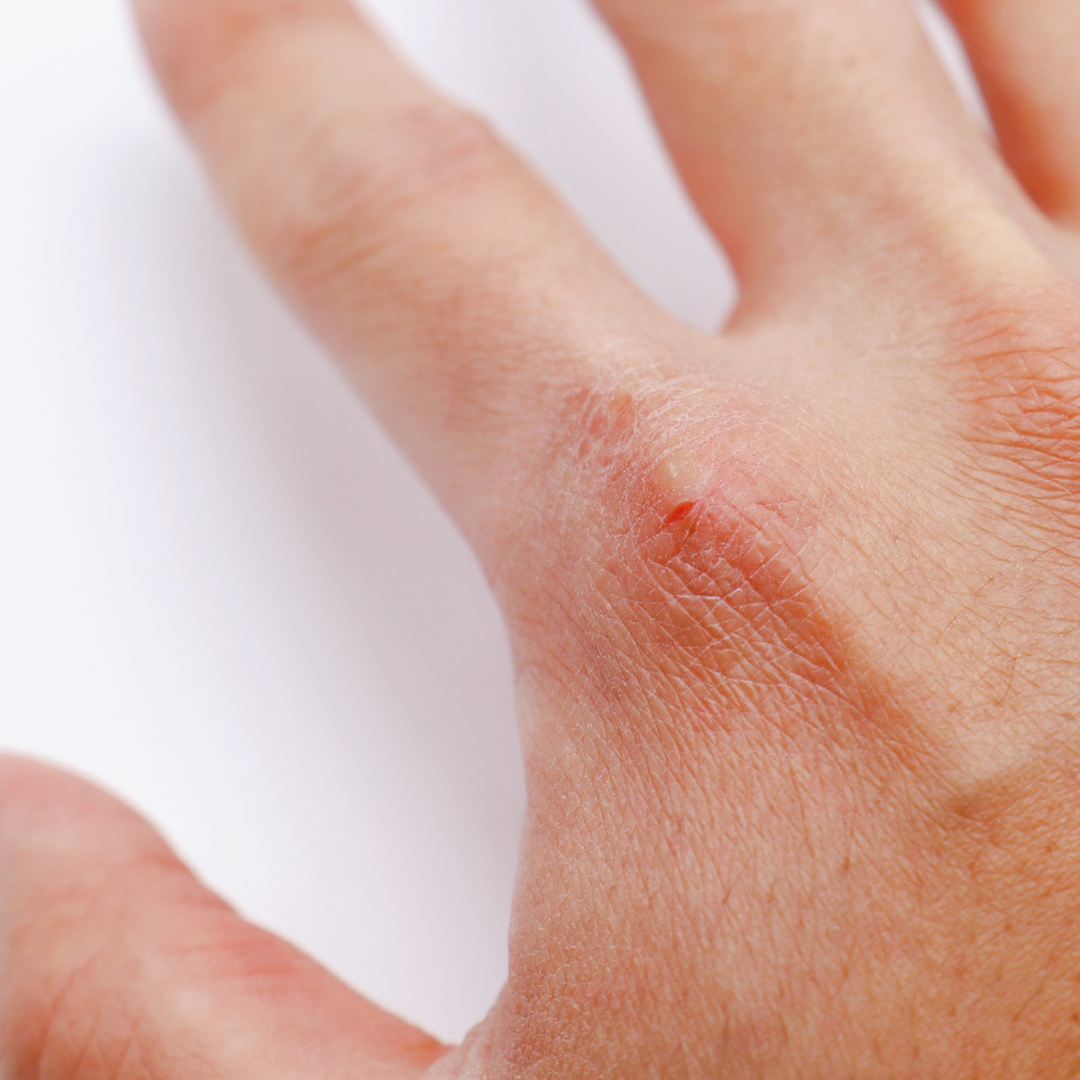
From constant hand-washing to winter air, our hands take a beating. Here's why they crack, how to repair them (including the overnight trick that really works), and when it's more than just dryness.
