
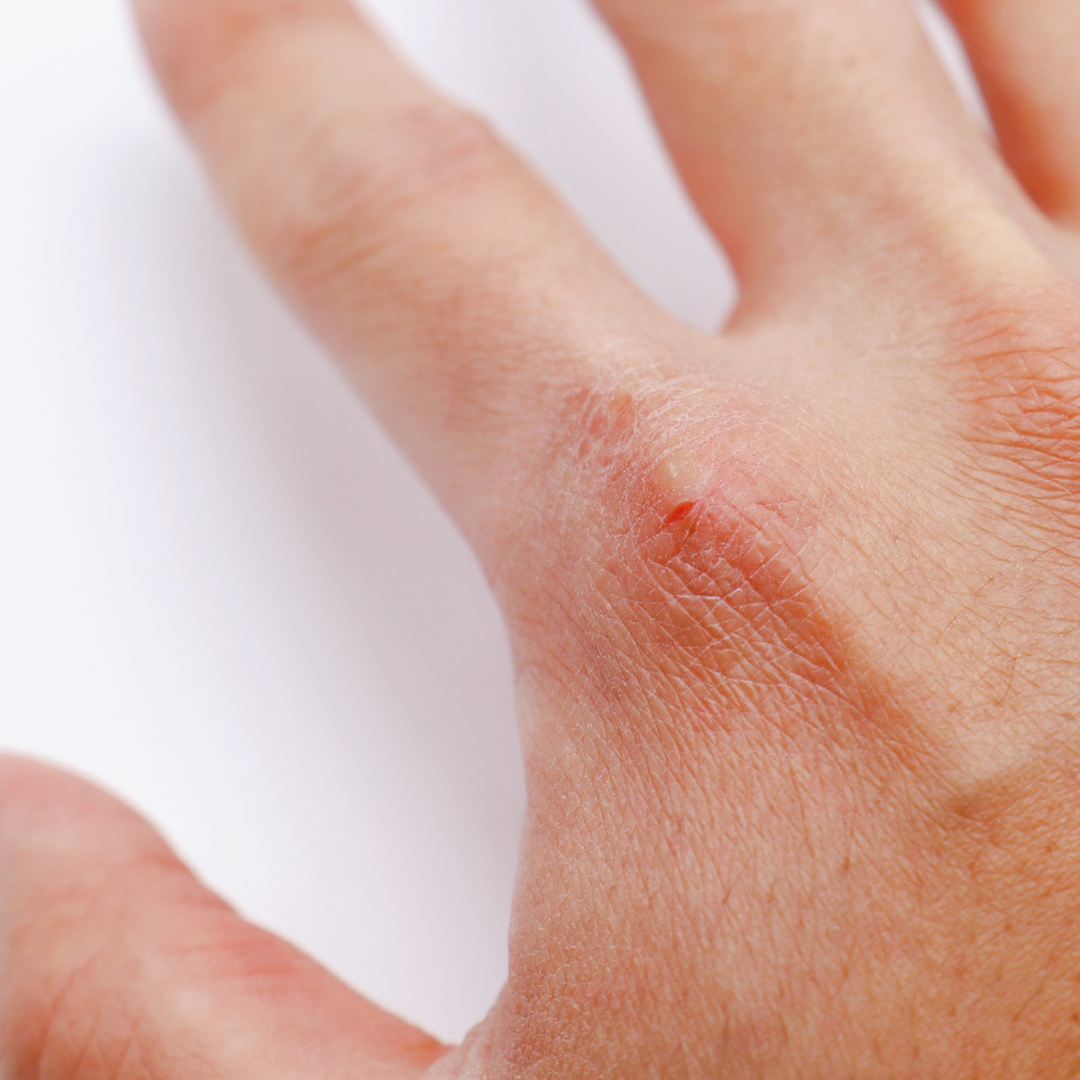
Dry, Cracked Hands: Causes and How to Fix Them
Dry, cracked hands are usually caused by the skin losing its natural oils and moisture — from frequent hand-washing, harsh soaps, cold weather, or a skin condition like dermatitis or eczema. The fix is to protect your hands from those triggers and moisturise often, especially after every wash and before bed.
Why do hands get so dry and cracked?
Your hands take more daily punishment than almost any other part of your skin. Common causes of dryness and cracking include:

- Frequent washing and sanitiser. Repeated washing and alcohol-based sanitisers strip away the oils that keep skin supple.
- Harsh soaps, detergents and chemicals. Cleaning products and strong soaps disrupt the skin’s natural barrier.
- Cold, dry or windy weather. Low humidity and indoor heating pull moisture from the skin.
- Hot water. It feels good but strips the skin further.
- Your job. Healthcare workers, cleaners, hairdressers and tradespeople are especially prone to hand dryness.
- Age and skin conditions. Skin produces less oil over time, and conditions like hand dermatitis, eczema and psoriasis often show up on the hands.
How do you fix dry, cracked hands?
The combination that works is simple: moisturise more, and protect more.
- Moisturise after every wash. Apply a rich cream while hands are still slightly damp to seal in moisture, and reapply through the day.
- Treat them overnight. Apply a generous layer before bed and sleep in soft cotton gloves to lock it in.
- Be gentle when washing. Use a mild, fragrance-free wash and lukewarm water, and pat (don’t rub) dry.
- Wear protective gloves. Use waterproof gloves for cleaning and dishes, and warm gloves outdoors in winter.
- Go easy on sanitiser. Wash with soap and water where you can, and moisturise afterwards.
- Add moisture to the air. A humidifier helps in cold or air-conditioned rooms.
Where Honey Biotics Intense Moisturiser fits in

For dry, cracked, hard-working hands, a rich, gentle cream makes all the difference. Our Intense Moisturiser is a TGA-listed medicine made in Australia with MGO 570+ Manuka honey, formulated to soothe and hydrate dry, damaged and dermatitis-prone skin and support the skin barrier as it recovers. Because it’s steroid-free, it’s suitable for regular daily use and for overnight treatment. Patch test first, and stop use if irritation occurs.
When should you see a doctor?
See your GP or a dermatologist if the cracks are deep, painful or bleeding, show signs of infection (increasing pain, swelling, pus or warmth), aren’t improving with regular care, or if you suspect hand eczema, dermatitis or psoriasis. They can confirm the cause and recommend treatment alongside good daily skincare.
Frequently asked questions
Why are my hands so dry even when I moisturise?
Often it’s because the moisture is being stripped away faster than it’s replaced — by frequent washing, sanitiser or hot water. Moisturising more often (especially right after washing) and protecting your hands usually turns it around.
How do you heal cracked hands fast?
Moisturise generously after every wash, do an overnight treatment with cotton gloves, switch to lukewarm water and gentle wash, and wear protective gloves for chores. Deep or painful cracks should be seen by a doctor.
What’s the best thing to put on cracked hands?
A rich, gentle moisturiser, applied often and especially overnight. Look for something fragrance-free and suitable for sensitive or dermatitis-prone skin.
Should I wear gloves to bed for dry hands?
Yes — applying a thick layer of cream and sleeping in soft cotton gloves is one of the most effective overnight treatments for very dry hands.
Could my cracked hands be eczema?
Possibly. Hand eczema and dermatitis are common, especially with frequent washing or exposure to irritants. If dryness keeps returning with redness or itching, see a doctor.
This article is general information, not medical advice. Speak to your doctor about your individual situation.
Read more
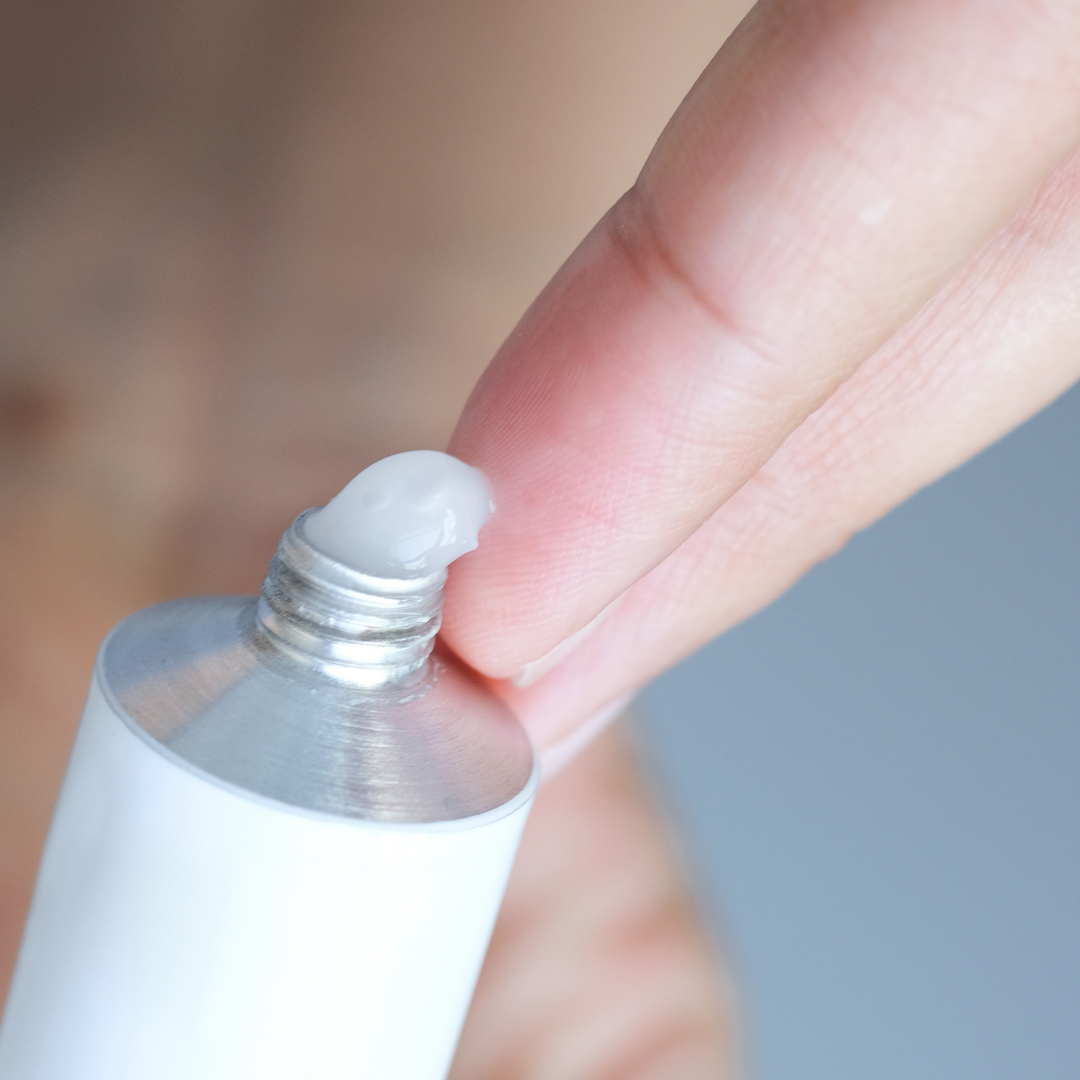
Steroid creams work fast, but they're not designed for indefinite daily use. Here's what long-term use can mean for your skin, and why steroid-free matters for ongoing care.
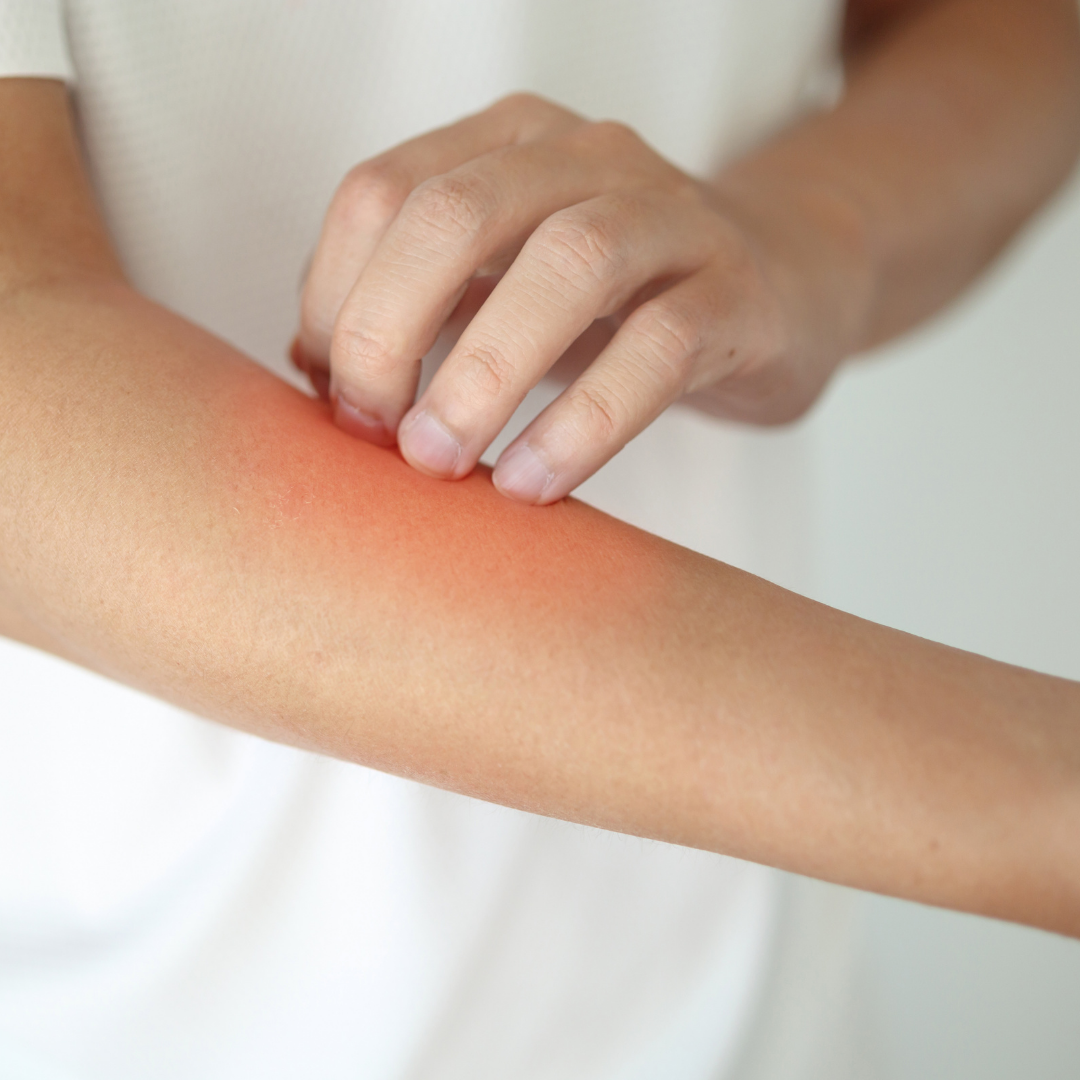
Itchy skin driving you mad? Most of the time it's simple dryness — but not always. Here's what's likely behind your itch, how to calm it, and the signs that mean it's worth seeing a doctor.
